
Planning for Fall: What to Start Now for a Thriving Native Garden Later
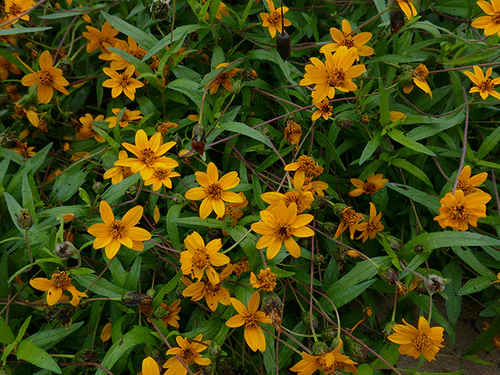
If you’ve been waiting until spring to plant your Texas natives, you might be missing the easiest season for gardening success. With warm soil, cooler air, and more consistent rain, fall offers the perfect conditions for plants to establish strong, healthy roots before the stress of next summer’s heat arrives. Fewer weeds, fewer pests, and less watering make it a gardener’s dream season. Whether you’re planning a small flower bed or a full-scale landscape, starting now will set you up for a low-maintenance, thriving native garden next spring.
Why Fall is the Best Time to Plant Natives
When you plant in spring like many people do, the plants often don’t have enough time to grow deep enough roots before the heat arrives, leaving them constantly thirsty, prone to wilting, and struggling to survive. Weeds also usually flourish in spring, as do pests. This all creates a lot more stress for the plants, not to mention the added maintenance since you’ll have to water, weed, and maintain them much more often than if you had planted them the previous fall.
Fall is usually the best time to plant perennials of all kinds since the soil is still nice and warm from the hot Texas summer, but the air has cooled down. Fall also typically brings more rain but fewer pests and weeds to worry about. The combination of warm soil, less heat, fewer weeds and pests, and more moisture means much lower stress for your new plants, giving them a better chance to adapt.
Another key benefit over spring planting is that fall planting allows the plants to develop a strong root system since they can put all their energy into their roots rather than the above-ground growth. This will lead to healthier spring growth. It will also make those plants much tougher and drought-tolerant when the next summer heatwave hits. This means less watering, lower water bills, and less maintenance.
Finally, fall planting, especially with native plants, means your plants should be well-established by spring to help support local native wildlife.
What You Should Be Doing Right Now (Late Summer Prep)
Here are some steps you can take this August and September to prep your garden for fall planting.
-
Decide where you want new plants in your yard and evaluate how much space you have and what the conditions are (sun, soil, drainage) to help you choose the right plants.
-
Remove any existing turf or invasive plants.
-
Start planning your layout and your garden style. Consider where trees, shrubs, and flowers will go. This will vary entirely with the space you have and the look you are trying to achieve. If your project is large or you require professional help, book a consultation today to ensure you can get into their fall schedule.
-
Select appropriate Texas native plants suited to your ecoregion and to the soil and light conditions where you’ll be planting.
-
Finish your layout planning. You can draw a simple scaled diagram of the planting area on graph paper or the computer. Look up each plant’s mature height and width, and use that to determine where to place the plants and how far they must be from other plants based on their mature width. Use circles to represent each plant on your diagram. This will help you determine how many of each plant you’ll need to fill your space.
-
Begin prepping the soil. Healthy soil is the key to healthy plants. Creating healthy soil is easy; for fall planting prep, it means adding plenty of rich compost to a new bed before planting. It’s always best to do this at least a month before planting to give your soil biome, the beneficial microbes that create healthy soil, time to grow and adapt to their new home.
-
If you need to install or adjust your irrigation, now is the time to do that as well.
-
Now for the fun part, go out and start sourcing your native plants and seeds! You can order online, or stop by and visit Nativo Gardens, a unique garden store that focuses primarily on native plants and native seeds.
What to Plant (and When) for Long-Term Success
Be sure to group your perennials according to their water/sun/and soil requirements. For instance, full sun-loving plants that like dry soil tend to do best in your sunniest location or a high point in your yard with good drainage. But in many cases, soils can also be amended to suit your plants’ needs.
Now, let’s look at some specific types of plants.
Native Perennials
Native perennials are best planted in early fall so they have time to grow and develop good roots in their new location, especially if you’re in an area with colder winters.
Chocolate Daisy (Berlandiera lyrata)
The cheerful Chocolate Daisy is a drought-tolerant southwestern native with beautiful daisy-like blooms that release a rich chocolaty scent, blooming from spring till fall. It thrives in dry, rocky, and well-drained soils and is perfect in low-maintenance naturalized landscapes. Plant it this fall, and it will die back after a frost, but its roots will still be there, and it will come back and thrive the following spring.

Image: CHOCOLATE DAISY is available now at Nativo Gardens!
Fall Aster (Symphyotrichum oblongifolium)
Fall Aster is a versatile perennial that thrives in rocky, calcerous, and sandy soil with low water and is equally happy in full sun or partial shade. As a fall bloomer, the Fall Aster provides late-season color from September to November and acts as an essential late-season nectar source for pollinators.

Image: FALL ASTER is available now at Nativo Gardens!
Native Grasses
Early fall is also the perfect time to plant both warm-season and cool-season grasses, as they will have time to get established and grow their roots before the cold weather arrives.
Blue Grama (Bouteloua gracilis)
The graceful Blue Grama is a versatile warm-season native grass that thrives in dry, gravelly, and sandy loams, prefers full sun, and can tolerate the summer heat and winter cold alike. It’s also a crucial wildlife plant, providing habitat, shelter, food, and winter refuge, and is a larval host species for multiple butterflies. Plant it this October, and it will be thriving when the warm season comes next year.

Image: BLUE GRAMA is available now at Nativo Gardens!
Pine Muhly (Muhlenbergia dubia)
This heat-tolerant, drought-tolerant, and cold-tolerant warm-season grass is a perfect low-maintenance addition to your garden. The Pine Muhly is a clumping perennial native to Texas and the Trans-Pecos Mountains. It’s used by wildlife for cover, shelter, and nesting material, and makes an excellent grass for erosion control.

Image: PINE MUHLY is available now at Nativo Gardens!
Native Shrubs
Native shrubs are also best planted in early fall, giving them time for their roots to grow without the stress of summer heat.
Texas Sage ‘Green Cloud’ (Leucophyllum frutescens)
The Texas Sage ‘Green Cloud’ is a hardy native shrub that thrives in rocky, well-drained soils and is highly adaptable, thriving in both full sun and part shade, and prefers low water. This lovely evergreen can be grown in the garden or as a hedge. It provides nectar for pollinators, serves as a larval host plant, and provides nesting and shelter for wildlife. If planted this fall, it will reward you with profuse blooms by next summer.

Image: TEXAS SAGE ‘GREEN CLOUD’ is available now at Nativo Gardens!
American Beautyberry (Callicarpa Americana)
The American Beautyberry is a fast-growing native shrub, pollinator-friendly, and produces dense clusters of vibrant purple berries that provide valuable food for countless birds, deer, raccoons, and opossums. It also provides shelter and nesting sites. This plant is best grown in part shade and moist soils. It’s a deciduous shrub, so don’t worry when it loses its leaves later this fall; it will come back and then some next spring.

Image: AMERICAN BEAUTYBERRY is available now at Nativo Gardens!
Fall-Seeded Wildflowers
While some seeds can be planted in the spring, late fall seeding of annual or perennial wildflowers is often best since it allows them to undergo natural cold stratification. Keep in mind that you can plant any native seed this fall. Doing so will ensure that those that do require cold stratification to break their seed dormancy cycle will have successful, healthy germination.
However, be careful never to plant your seeds too early. If you end up with a warm fall, they could sprout and then die with the next frost. Instead, wait for your first hard frost, and they should remain dormant until spring.
Here is a list of wildflower seeds that are always best planted in the late fall:
-
Bluebonnet (Lupinus texensis)
-
Texas Paintbrush (Castilleja indivisa)
-
Plains Coreopsis (Coreopsis tinctoria)
-
Indian Blanket (Gaillardia pulchella)
-
Texas Bluebell (Eustoma exaltatum)
-
Texas Toadflax (Nuttallanthus texanus)
Final Thoughts
Planting in fall isn’t just about getting a head start; it’s about giving your plants the best chance to thrive for years to come. By preparing your garden now, choosing the right Texas native plants, and taking advantage of nature’s cooler, wetter season, you’ll create a resilient landscape that supports wildlife, saves water, and bursts with color by spring. Start planning today, and when the heat returns next summer, you’ll be enjoying the rewards of a garden that’s already deeply rooted and ready for the Texas summer heat.

Comments