
Perfect Pairs for Your Texas Garden
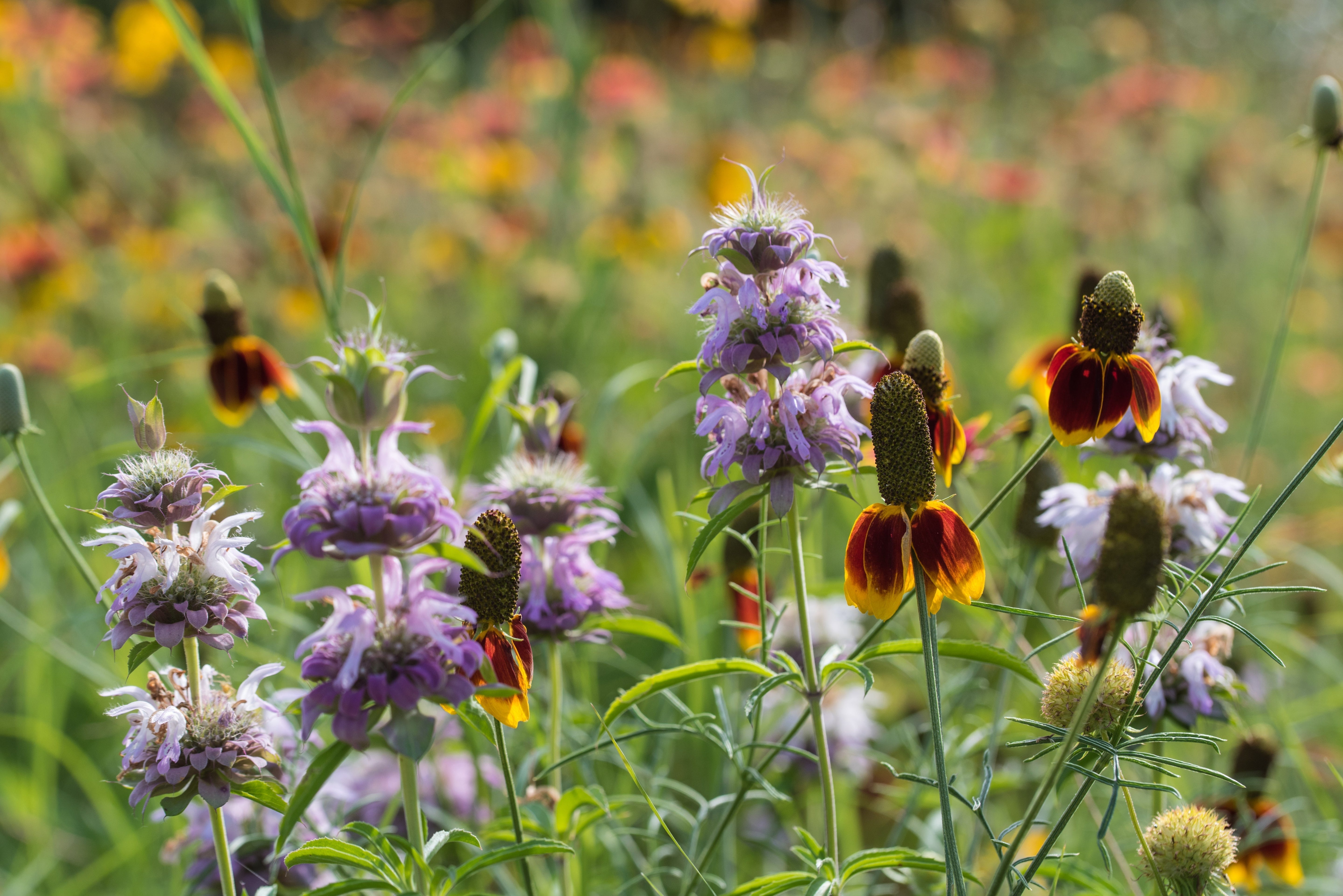
If you want a beautiful, low-maintenance garden that thrives in Texas’s unique climate, look no further than native plants. These hardy species are perfectly adapted to our state’s diverse conditions, from hot Texas summers to occasional freezes. By choosing native plant pairings that complement each other in growing requirements and appearance, you can create a vibrant, resilient landscape that conserves water and supports local wildlife and pollinators. Whether you’re looking for drought-tolerant flowers, shade-loving greenery, or year-round color, these perfect pairs will help you fall in love with native Texas gardening.
Why Native Plants Thrive in Texas
Native Texas plants thrive in Texas because they are perfectly adapted to our diverse and often extreme climate conditions. From the scorching summers to unpredictable droughts and occasional deep freezes, these plants have evolved to withstand our unique environmental challenges, providing a sustainable landscaping solution. Their deep root systems help them access moisture during dry spells, prevent soil erosion, and support healthy soil ecosystems. Unlike non-native species, which often require excessive water, fertilizers, pest control, and sun or frost protection to survive, native plants naturally flourish with little effort, making them perfect for low-maintenance landscaping. They also play a vital role in wildlife-friendly gardens, providing food and shelter for birds, mammals, native pollinators, and beneficial insects. By choosing native Texas plants, gardeners can create beautiful, resilient landscapes that conserve resources and contribute to a thriving, biodiverse environment.
From Desert to Gulf: Native Plant Pairings for Every Texas Landscape
These native and adapted plant pairings are well-suited to the same moisture, soil, and light requirements and enhance each other’s beauty, creating a visually stunning landscape for your yard.
Drought-Resistant Beauties That Love the Texas Heat
Four-Nerve Daisy and Artemisia 'Powis Castle'
The lovely Four-Nerve Daisy is a low-growing perennial with bright, cheery yellow blossoms that bloom throughout spring. It pairs well with the taller Artemisia ‘Powis Castle’ with its gorgeous silvery foliage that contrasts nicely with the green and yellow of Four-Nerve Daisy. These drought-tolerant plants thrive in dry landscapes in well-drained soils and are the best plants for Texas heat! This makes them perfect for water-wise gardening, including xeriscaping.
|
|
|


Images: FOUR-NERVE DAISY (left) and ARTEMISIA POWIS CASTLE’ (right) are available at Nativo Gardens!
Rock Rose and Autumn Sage ‘Red’
Rock Rose offers vibrant pink blossoms that pair nicely with the gorgeous red of Autumn Sage. This lovely duo thrives in rocky, well-drained soil in full sun and can bloom nearly continuously with vibrant colors all season long. But that’s not all; these hummingbird-friendly plants are also loved by pollinators and make an excellent addition to a butterfly garden.
|
|
|


Images: ROCK ROSE (left) and AUTUMN SAGE ‘RED’ (right) are available now at Nativo Gardens!
Wildlife-Friendly Gardens to Attract Birds & Pollinators
For your wildlife-friendly garden, you will want a variety of plants with flowers of different shapes, colors, and bloom times to attract a variety of native pollinators and beneficial insects. You also want to look for shrubs that produce berries for fruit-eating birds. Here are a few great pairs to get you started!
Hummingbird-Friendly Coral Honeysuckle and Lyreleaf Sage
Both of these native hummingbird-friendly plants thrive in full sun to partial shade and prefer well-drained soils. Coral Honeysuckle produces tubular red flowers on a vine, which you can train up a trellis or fence. The Lyreleaf Sage offers spikes of lavender blooms and looks beautiful planted near the Coral Honeysuckle.
|
|
|


Images: CORAL HONEYSUCKLE (left) and LYRELEAF SAGE (right) are available now at Nativo Gardens!
Butterfly-Friendly Mealy Blue Sage and Maximilian Sunflower
Both of these beauties thrive in full sun and various soil types. Maximilian Sunflower displays bright yellow flowers on tall spikes, making a perfect back border to a butterfly garden or grown against a fence. Mealy Blue Sage produces spikes of beautiful blue flowers that bloom throughout the growing season and contrast nicely against the bright yellow of the Maximilian Sunflower when it blooms in summer and fall. Both flowers are rich in nectar, attracting numerous butterflies and other pollinator species.
|
|
|


Images: MEALY BLUE SAGE (left) and MAXIMILIAN SUNFLOWER (right) are available now at Nativo Gardens!
Pollinator-Friendly BlanketFlower and Lanceleaf Coreopsis
Blanketflower is a vibrant annual wildflower with red centers and yellow-tipped rays. It thrives in dry plains and prairies. It will readily self-sow in a pollinator garden and is a favorite of native bees, butterflies, and other pollinators. Lanceleaf Coreopsis is a vibrant perennial with beautiful yellow blossoms that also attract pollinators and self-sows, making these native beauties perfect for prairie and wildflower gardens.
|
|
|


Images: BLANKETFLOWER (left) and LANCELEAF COREOPSIS (right) are available now at Nativo Gardens!
Native Plant Combinations for Shady Locations
American Beautyberry and Frogfruit For Partial Shade
This lovely duo will grow very well in partial shade, with the American Beautyberry growing as a 4-6 foot deciduous shrub with gorgeous purple berries that will have the birds flocking to your yard each fall. Then, for a groundcover, plant the adorable little semi-evergreen Frogfruit with its pretty pink blossoms that will attract countless pollinators to your yard.
|
|
|


Images: AMERICAN BEAUTYBERRY (left) and FROGFRUIT (right) are available now at Nativo Gardens!
Woodland Phlox 'Blue Moon' and Golden Columbine For Partial to Full Shade
The gorgeous Woodland Phlox 'Blue Moon' and the beautiful Golden Columbine will grow well in partial and full shade, making them perfect for bringing vibrant colors to that shady spot in your yard. The Woodland Phlox offers vibrant blue blossoms in spring that attract butterflies and other pollinators, and the Golden Columbine will bring you vibrant yellow flowers in spring and summer, attracting more pollinators after the phlox has stopped blooming.
|
|
|


Images: WOODLAND PHLOX 'BLUE MOON' (left) and GOLDEN COLUMBINE (right) are available now at Nativo Gardens!
Seasonal Pairings for a Vibrant Garden Year-Round
Pink Evening Primrose and Black-Eyed Susan For Long-Lasting Blooms
The Pink Evening Primrose is a low-maintenance landscape perennial offering soft pink blossoms from February until October. Black-Eyed Susan is another low-maintenance perennial that blooms from March until October. These long seasonal bloomers will keep your yard vibrant all season long. Both will thrive in full sun in well-drained soils with medium to low water.
|
|
|


Images: PINK EVENING PRIMROSE (left) and BLACK-EYED SUSAN (right) are available now at Nativo Gardens!
Texas Redbud and Possumhaw For Spring, Fall, and Winter Color
The beautiful Texas Redbud is often the first color you will see in the year, with vibrant pink blossoms covering its bare branches in very late winter or early spring. Plant this near the Possomhaw, and you can enjoy the fall color as both trees’ leaves change to yellow, gold, or red. Then, after the leaves have fallen, the bright red berries of the Possomhaw will provide color all winter, or at least until the birds finish eating them!
|
|
|


Images: TEXAS REDBUD (left) and POSSUMHAW (right) are available now at Nativo Gardens!
Edible & Medicinal Texas Native Plants That Also Look Pretty
Upright Rosemary and White Yarrow - The Perfect Medicinal Pair
While technically not native, the Upright Rosemary and White Yarrow are a perfect pair because they thrive in full sun with minimal water once established and are very tolerant of urban environments. Rosemary is a popular edible herb used medicinally for headaches and digestion, while yarrow has a long history of medicinal use for fevers and stomachaches. White Yarrow will bloom from April through September, attracting pollinators galore, while Upright Rosemary blooms in summer when the bees cover the pretty blue blossoms.
|
|
|


Images: UPRIGHT ROSEMARY (left) and WHITE YARROW (right) are available now at Nativo Gardens!
Tips For a Thriving Native Plant Garden
Growing native Texas plants is easy since they are already adapted to our climate, making them a sustainable landscaping choice. Still, pay attention to your ecoregion and the moisture, soil type, and sun exposure in your particular microclimates. Then, plant the right plants in the right spot according to the conditions they require or prefer. Keep your new plants well-watered for the first year to ensure success.
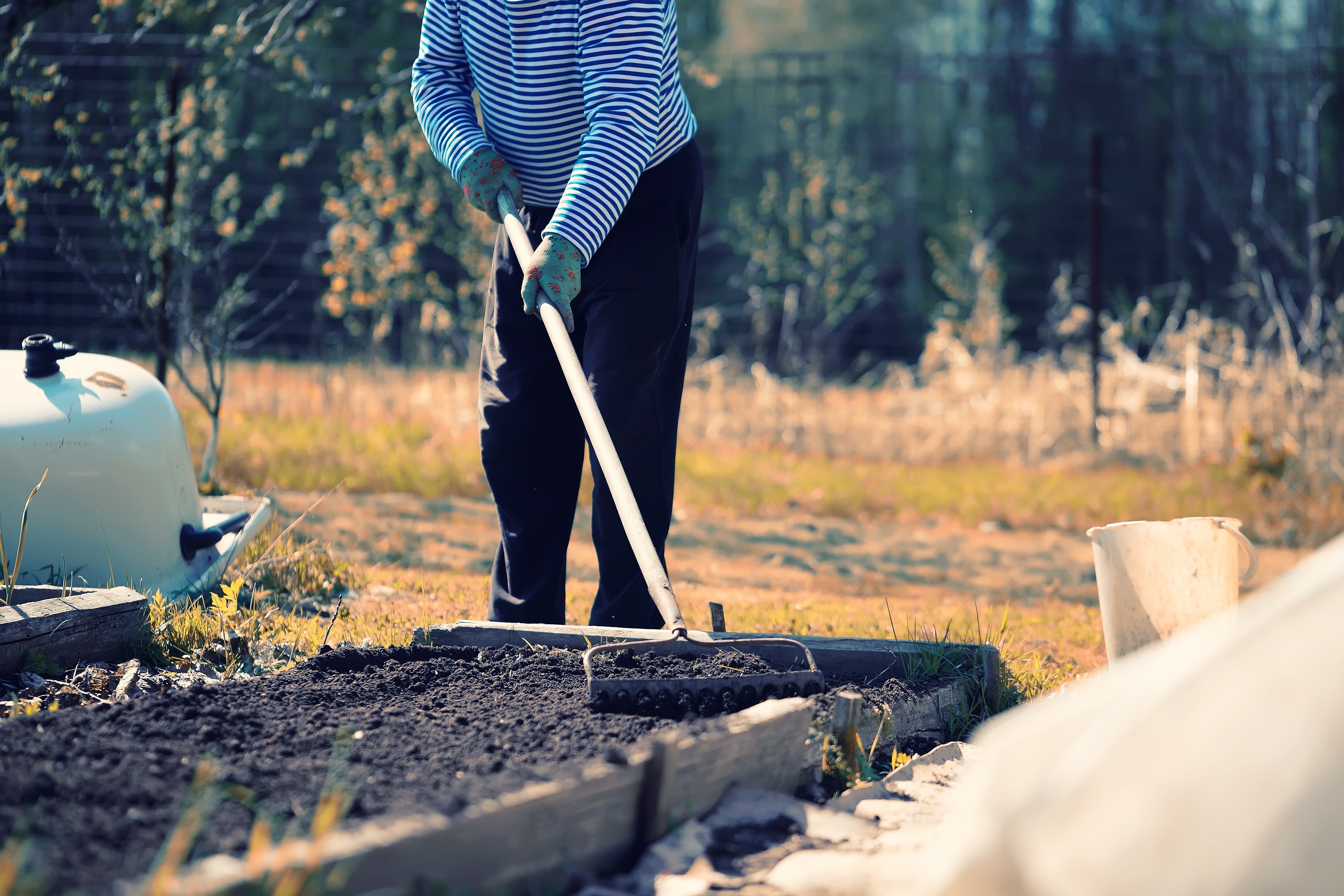
Another critical tip for a thriving native plant garden is understanding that healthy soil is what makes healthy plants. You should prep your soils by adding more compost each spring before planting. Then, don’t neglect your fall maintenance, including more soil improvement and mulching to help your plants thrive all winter.
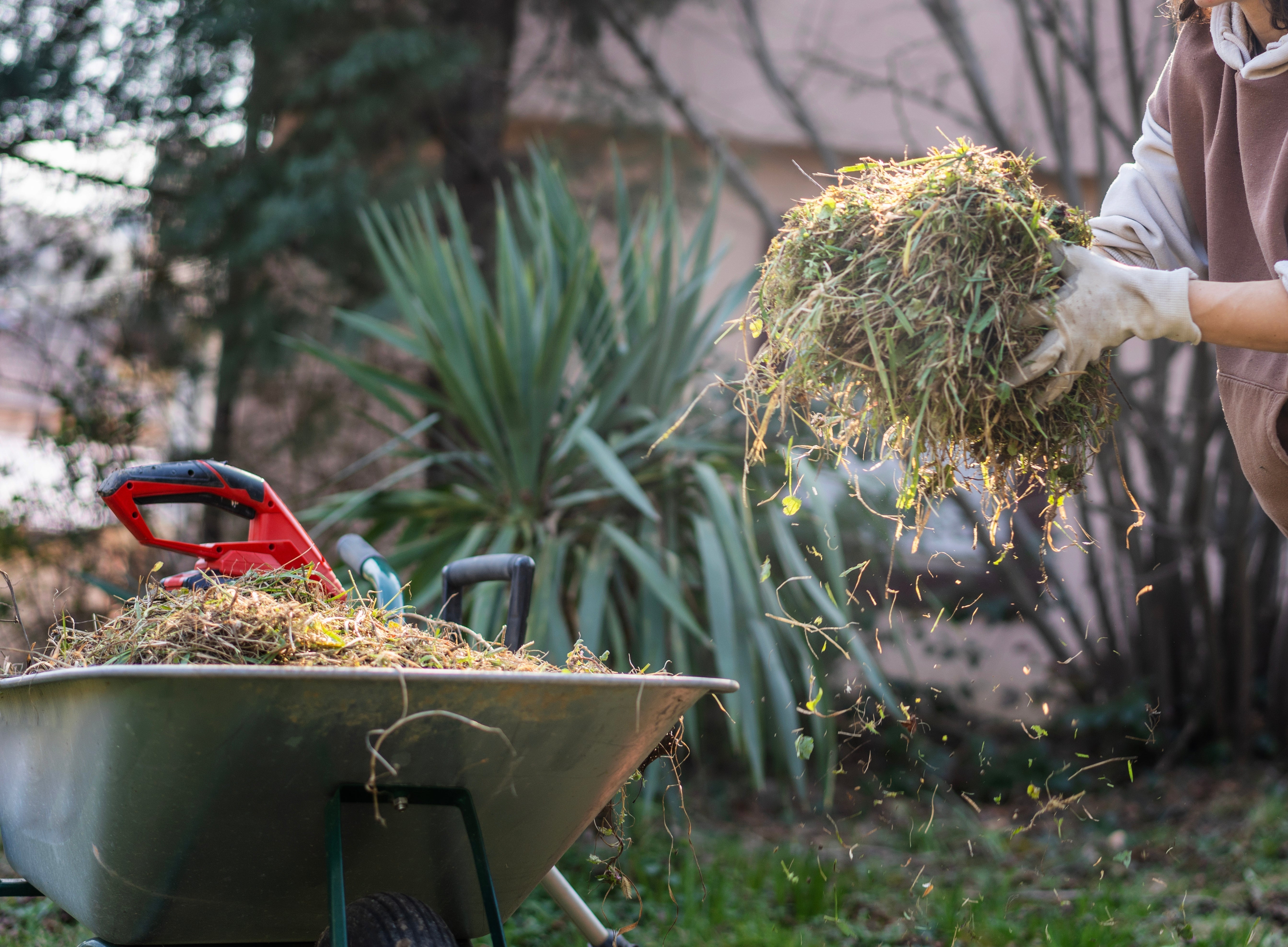
A final tip for a wildlife-friendly garden is that a “clean garden” is not wildlife-friendly. When the flowers stop blooming and the fruits ripen, leave them on the plant. Even dead annuals should be left standing until early spring so birds and beneficial insects can use them for food and habitat.
For a complete guide to a successful native plant garden, check out Plant Recipes For Your Native Garden. It covers everything you need to know about improving soil, watering, mulching, and the different requirements of our beloved native plants.
Final Thoughts
Incorporating native plants into your Texas garden isn’t just a smart landscaping choice—it’s a way to create a thriving, sustainable ecosystem in your own backyard. By selecting plant pairings that complement each other’s needs, you can enjoy a beautiful, resilient garden that requires minimal maintenance while supporting local wildlife. Whether you’re drawn to bright blooms, edible plants, or seasonal interest, there’s a native pairing that will work for your space. With a little planning and the right plant choices from Nativo Gardens, your Texas garden can flourish year after year, providing beauty, biodiversity, and a connection to the natural world.

Comments