
Water-Wise Gardening in Texas: Native Plant Strategies for Dry Days
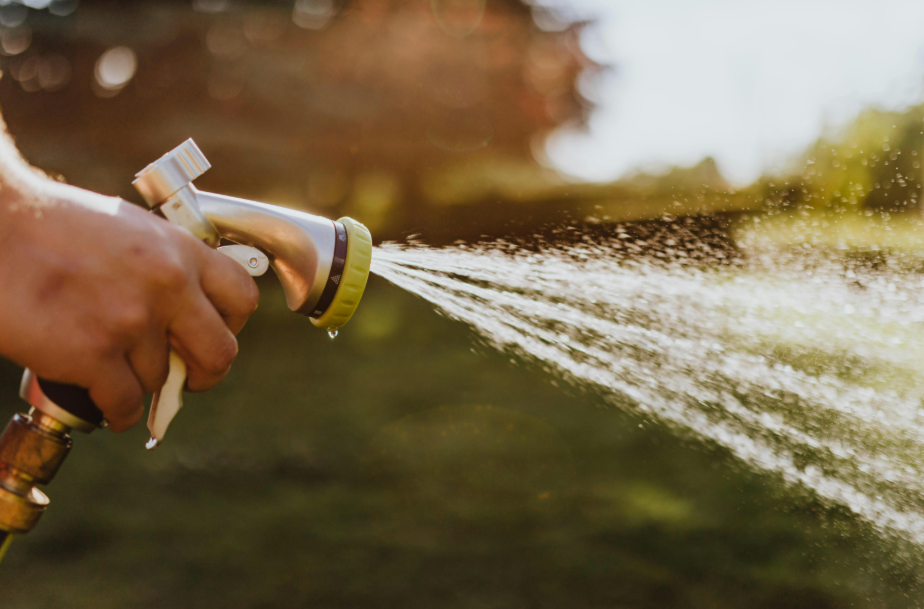
In Texas, where scorching summers with unreliable rainfall are the norm, water-wise gardening isn't just a trend; it's a necessity. With increasing demand and dwindling water resources, we need to rethink how we garden. Fortunately, a beautiful, thriving garden is easily attainable with the right approach. By choosing native plants for drought resistance, using efficient irrigation, and applying mulch wisely, you can reduce water use, lower utility bills, and create a more resilient landscape. Now, let’s learn how to make every drop count!
Why Water-Wise Gardening Matters
Water-wise gardening is crucial in Texas, given our hot summers and frequent droughts. According to the Texas Water Development Board, our growing population and increasing demand, combined with a decline in existing water resources, are leading to regular water shortages. They expect this to worsen in the coming years without effective management and conservation strategies.
Whether you experience extended droughts or not, water-wise gardening strategies like planting native, drought-resistant plants adapted to your ecoregion are a smart investment. It reduces maintenance since you won’t have to irrigate as often. Also, over 30% of residential water is used outdoors, with more than half of that used for irrigating lawns and gardens. In summer, outdoor watering can exceed indoor use. This means that by replacing turfgrass with drought-resistant native plants, you could cut your water bills by up to 30% and support biodiversity in the process.
Choosing Native Plants for Drought Resistance
The best water-wise gardening technique is xeriscaping with native plants. Xeriscaping is the art of low- to no-water gardening, utilizing strictly drought-tolerant plants grown in the right location. Xeriscapes are ideal for driveways and borders with limited water access and excess heat from pavement, as well as higher spots in your yard that are more exposed to wind and sun.
Choosing native plants already adapted to your area means better survival rates and much lower maintenance. Once established with well-developed roots, which may take 6 to 48 months depending on the species, native plants will thrive without regular irrigation.
Here are a couple of heat and drought-tolerant xeriscape plants to get you started.
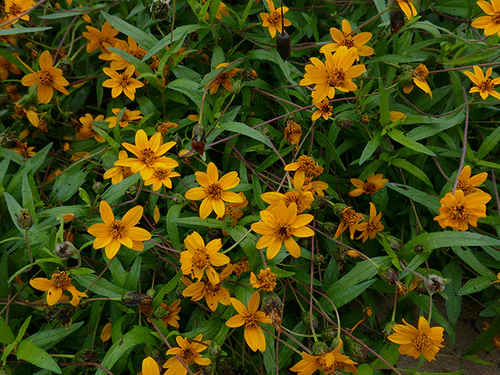
Copper Canyon Daisy (Tagetes lemonii)
The lovely Copper Canyon Daisy is a tough, drought-tolerant native flower that thrives in full sun to part shade with low moisture requirements, helping add color to your yard while beating the Texas heat. It also has a strong aroma that helps keep the deer away.

Desert Willow (Chilopsis linearis)
No xeriscape would be complete without a tough, sun-loving, drought-tolerant tree, and the stunning Desert Willow checks all those boxes and then some. It thrives in the Chihuahuan Desert, growing happily in high heat with little moisture, yet produces an abundance of beautiful, tubular, two-tone pink flowers.

However, you can also grow native plants with medium to high moisture requirements if they are suited to your ecoregion and/or planted in a low area, rain garden, or other area where water collects.
Aquatic Milkweed (Asclepias perennis)
Aquatic Milkweed will happily grow in moist soils in a depression, ditch, rain garden, or along the edge of a pond or in a bog garden. Since it tolerates full sun, as long as you plant it in moist to wet soil, it will thrive in the Texas heat.

Smart Irrigation Tips for Water-Wise Gardens
Now, we also need to consider how we water with these three water conservation garden tips:
1. Never Water in The Afternoon
Watering in the afternoon heat can damage sensitive plants and scorch their leaves, especially if you have hard water that dries up, leaving salts behind in the intense sun. Afternoon watering is also wasteful, especially when using sprinklers. Studies show that wind and evaporation can waste up to 50% of sprinkler water, especially in summer. Do that in the heat of a Texas summer, and you could harm your plants and still not give them all the water they need.
It’s far better to hand water first thing in the morning, watering the roots rather than the leaves. Then, it will be absorbed before the heat of the day, reducing evaporative losses.
2. Use Efficient Garden Irrigation
Using drip irrigation is the most efficient garden irrigation strategy. Drip irrigation delivers water slowly directly to the roots where it’s needed. This prevents wasting water in bare areas where the plants don’t need it. Applying it slowly also prevents runoff and evaporation by giving the water time to be absorbed by the soil and roots. If you’re unsure about setting up drip irrigation for your garden, contact us for a consultation.
3. Watering Deeply vs. Frequently
Finally, when trying to conserve water, we may try to give our plants less. However, within a few days to as little as a few hours, your plants may wilt and need watering again. Frequent watering uses more resources than necessary and produces plants with shallow roots that are more prone to drought.
Instead, watering very deeply means you’ll need to water far less frequently, conserving our resources. This is because it trains the roots to grow deeply in search of more water, making plants more resilient. If you continually wet only the surface, the roots will remain shallow where the moisture is. The sun quickly dries out that shallow soil, and your plants become thirsty again too quickly.
Mulch Strategies for Moisture Retention
Mulch strategies are another water-wise technique with multiple benefits. Mulch helps to:
-
Acts like a sponge, holding moisture at the surface.
-
Protect the surface soil from evaporation by the sun and wind.
-
Reduces runoff and erosion.
-
Reduce soil temperature to help reduce evaporative losses.
-
Protects plant roots from temperature extremes, improving growth and resilience.
-
Improves soil health by promoting a healthy soil biome, which enhances the soil’s water-holding capacity.
-
Healthy soil improves soil structure, allowing for better absorption and infiltration.
-
Helps control weeds.
Mulch strategies include:
-
Spread a generous layer of compost over the soil before applying mulch to help promote soil health and improve moisture retention.
-
Choose organic mulches like leaf litter, bark, and compost, which break down over time and further enhance soil health and structure.
-
Choose light-colored mulches when possible in hot climates to help reflect sunlight..
-
Use a mulch layer 2-3” deep for better moisture retention.
-
Avoid piling mulch up around the plant stems, which can promote rot.
-
Remove weeds before mulching.
-
Water thoroughly after mulching.
-
Use coarse bark mulch as a top layer in windy locations. If you have particularly high winds and your mulch is not coarse, sprinkle some gravel on top to hold it in place.
-
Refresh your mulch every spring and again in the fall.
More Low-Water Landscaping Tips
Smart Plant Placement
Hydrozoning is another water-wise gardening tip. Don’t worry, it’s simpler than it sounds. It simply means grouping plants with similar water needs. This helps reduce maintenance but also encourages proper plant placement according to their needs. For instance, drought-tolerant plants can be grown on higher ground or poor soils in exposed areas with little to no shade. Plants with medium moisture requirements should be grown in lower areas of the yard, where the soil is richer and retains moisture better. Plants with high water needs should be grouped in the lowest spots, in rich or poorly drained soils, next to ponds, or other moisture-rich areas.
Shading is another helpful water conservation tip to block the sun and wind that cause evaporation. Plants with medium to high moisture needs, when grown in shady locations, require less watering than they would in full sun.
Additional Strategies: Rain Gardens, Groundcovers, and Pathways
Rain gardens are an excellent idea. These are just low spots in your yard where you channel surface flow from your yard or driveway to collect. These are perfect locations for plants with medium to high moisture requirements.
Harvesting rainwater from your roof using gutters and an irrigation barrel is another excellent strategy. Use a barrel with a spigot and raise it off the ground for easy dispensing.
Avoid having too much bare ground, which encourages evaporation, runoff, and erosion. Use native groundcover plants that require minimal moisture. Lawns do not count in this context, as they consume enormous amounts of water just to stay green.
Frog Fruit (Phyla nodiflora)
Frog Fruit is a beautiful, native groundcover that spreads easily, controlling erosion and runoff. It has low to medium water needs, grows in full sun or partial shade, and tolerates a wide range of soils. Unlike turfgrass, it also attracts countless butterflies and native pollinators to your yard.

Finally, permeable pathways are another way to reduce unwanted runoff. Instead of pavement or stones, use pathways made of gravel or durable native groundcovers to encourage water infiltration, rather than channeling it out into storm drains.
Final Thoughts: Create a Garden That Thrives on Less Water
Gardening in Texas doesn’t have to mean constant watering, high bills, or struggling plants. With native, drought-tolerant plants, thoughtful design, and water-wise strategies like mulch and drip irrigation, you can create a vibrant landscape that works with the climate rather than against it.
By grouping plants based on their moisture requirements, harvesting rainwater, and using native groundcovers, you can create a sustainable and resilient garden that supports local ecosystems and looks beautiful year-round. Start your water-wise gardening today with our drought-tolerant native plants and bring your yard to life with less water!

Comments