
Supporting Wildlife in Summer Gardens
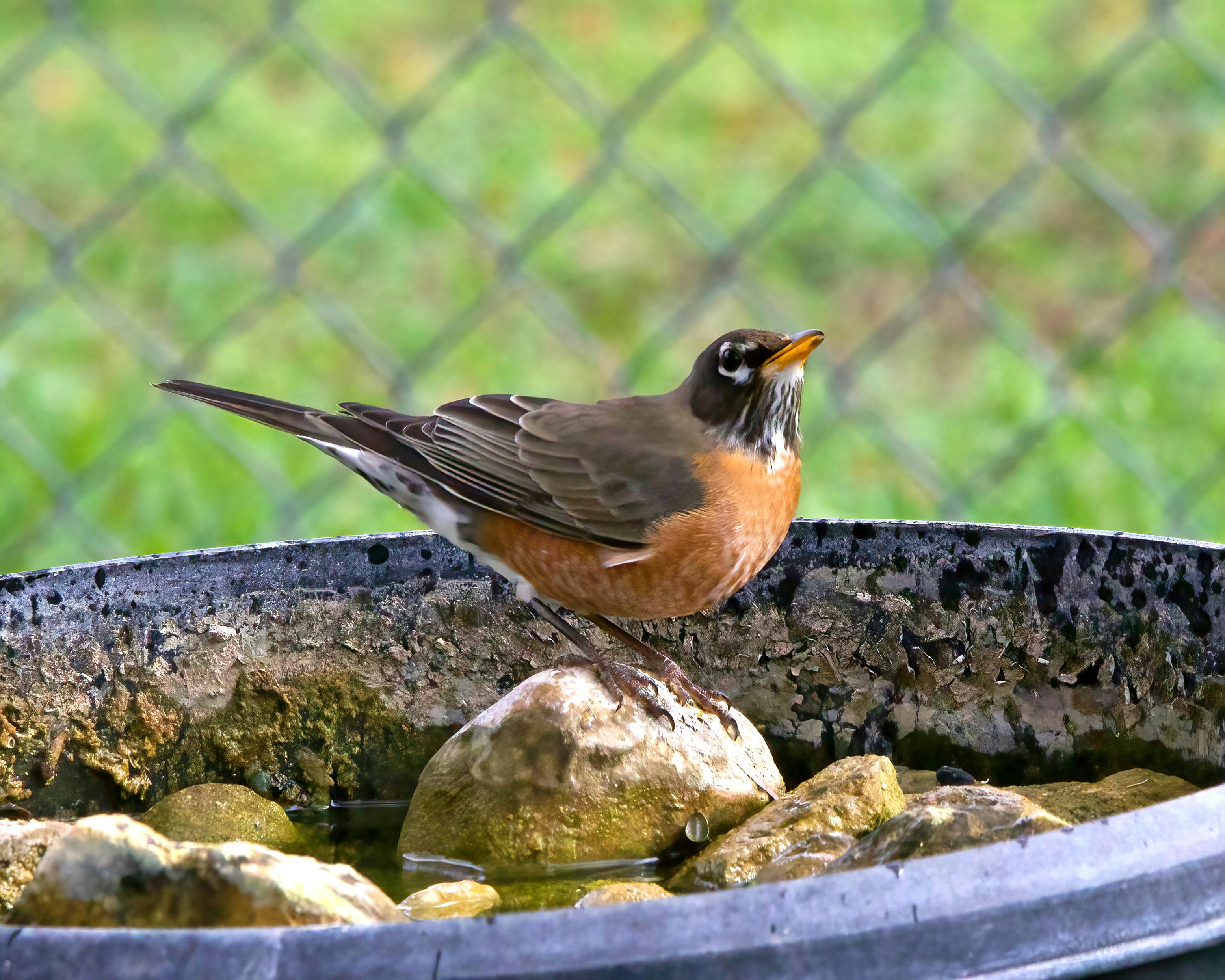
Creating a wildlife-friendly garden is one of the most rewarding things you can do in your backyard, benefiting both your enjoyment and the health of your local ecosystem. However, as the Texas heat intensifies and droughts become more frequent, it becomes increasingly difficult for birds, bees, butterflies, and other local native creatures to find water, shelter, and food. That’s where thoughtful summer garden care comes in. By adding clean water sources like Bee Cups and bird bubblers, creating spaces for shelter and shade, and choosing summer-blooming native plants, your garden can become a vital support system for local wildlife. Now, let’s dive in and help your local wildlife beat the Texas heat!
Why Summer Wildlife Support Matters
Texas summers are known for their intense heat and frequent, prolonged droughts, making it challenging for wildlife to find shelter and stay hydrated. Birds, bees, butterflies, and other local wildlife rely on natural water sources and native plants for sustenance. However, as temperatures rise, natural resources can become scarce, particularly in urban and suburban areas, as well as in the drier western part of our state.
Hydration Is Key: Helping Wildlife Beat the Heat
Creating a wildlife-friendly garden is more than just choosing the right plants; providing water sources is just as critical, especially in our hot Texas summers. Without backyard wildlife support, many species face dehydration, heat stress, and habitat loss right in our neighborhoods. Therefore, one of the best summer garden tips is to focus on wildlife hydration.
Wildlife hydration means providing safe water sources for birds, bees, butterflies, and other backyard creatures. When natural puddles and streams dry up, simple water features offer excellent support for backyard wildlife. So, what kind of water features work best? As with most things, a variety of sources is best, each targeted to the different types of wildlife that visit your yard. Let’s take a look!
Bird Bubblers
Every wildlife-friendly garden needs a bird bath, but traditional bird baths attract mosquitoes and get dirty very quickly. Bubbling bird baths that aerate or circulate the water are an excellent alternative to traditional bird baths. They attract the birds while keeping mosquitoes away and keeping the water cleaner longer. Typically, bubbling bird baths are best raised on a pedestal for songbirds who like to fly to them and land on the edges before taking a drink or a dip. The added height also protects them from neighborhood cats.
However, if you have native quail or other ground-dwelling birds, placing a bubbler on the ground is also a good idea since they are unlikely to use one on a pedestal. Better yet, offer both!
Bee Cups
If you want to support your native bees, you need to provide smaller water sources that are accessible to the bees. This is where Bee Cups come in, providing a safe source of water for your native bees, pollinators, and beneficial insects in the summer heat. These ceramic cups are specially designed to attract bees with their ultraviolet ceramic glaze, while still looking attractive to humans when placed among your pollinator-friendly garden plants. They are designed to encourage evaporation, so there's no need to worry about mosquitoes or stagnant water. Simply place them in your garden and fill them when you water your plants. 
Butterfly Dishes
Most butterflies will not use bird baths, which are usually too deep and don’t offer safe landing areas for them. The best water sources for butterflies are shallow dishes, saucers, bowls, and even oyster or clam shells, which you place on the ground and fill with small pebbles, colorful beach glass, or marbles. Then, the butterflies can land safely on the pebbles or smooth glass and sip from the water. Don’t worry if the dishes get a little muddy from other animals using them; butterflies love muddy water as it provides them with essential minerals.
Backyard Ponds
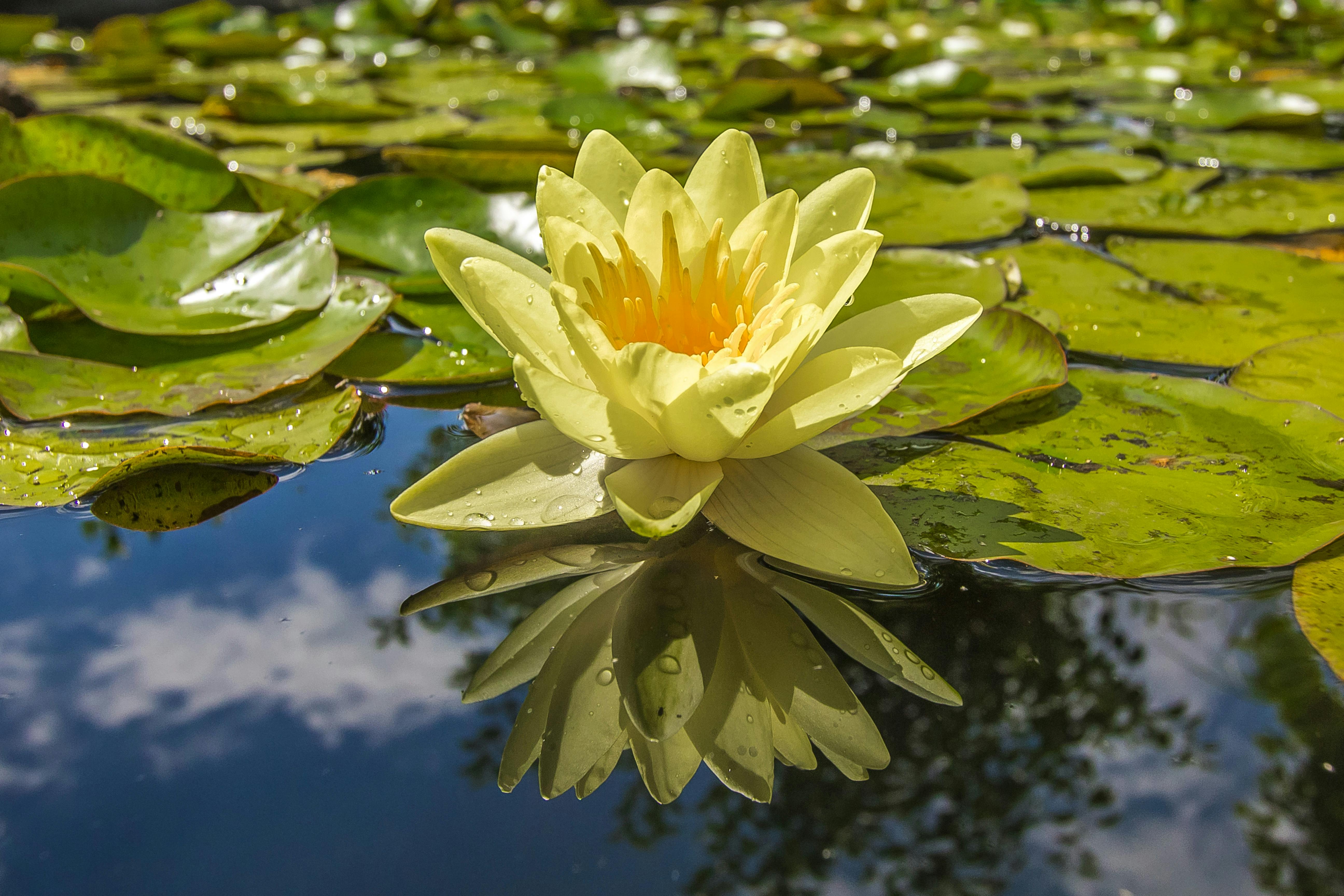
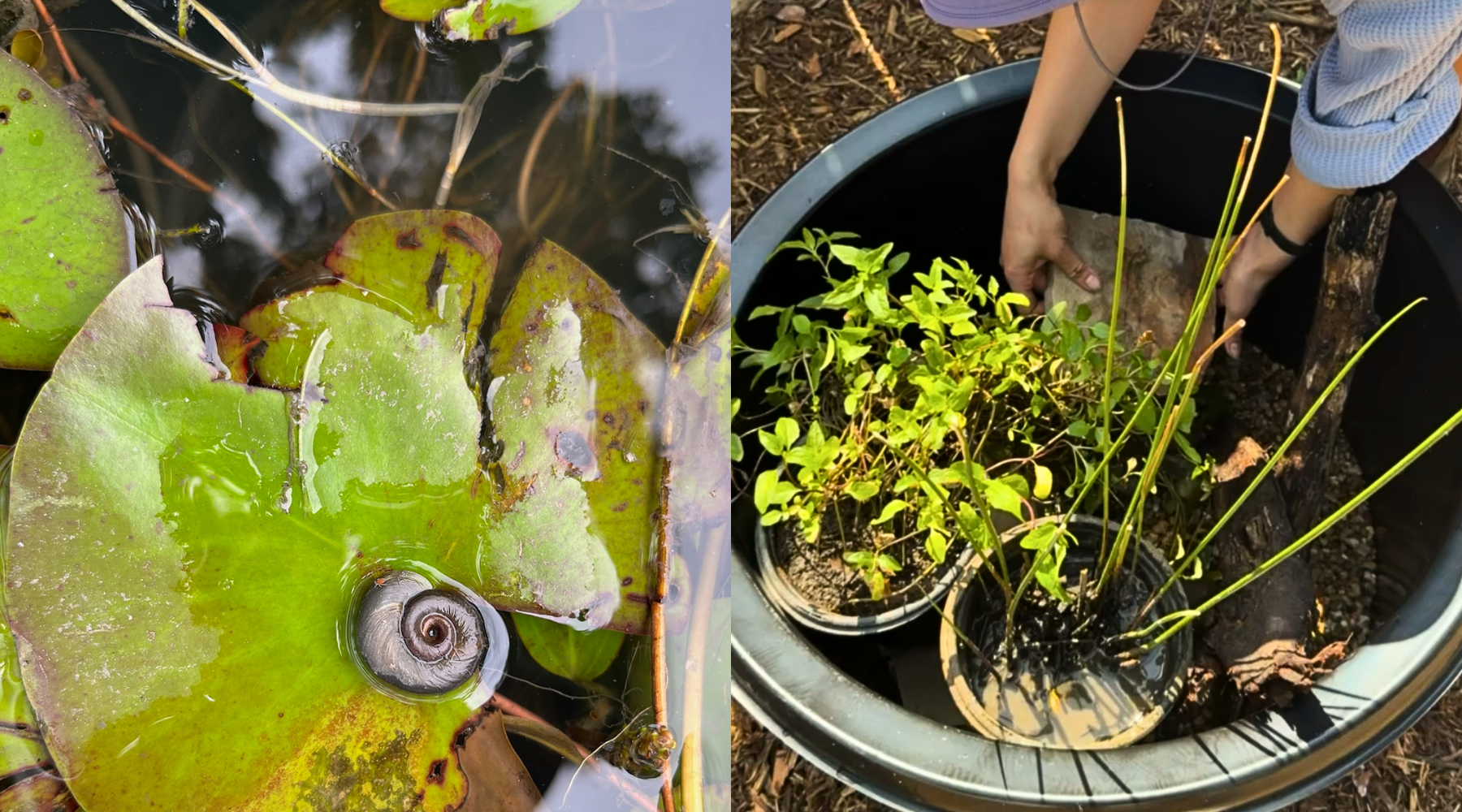
Finally, backyard ponds are another valuable source of water, providing critical habitat for native aquatic plants, waterfowl, dragonflies, damselflies, and other water-loving creatures. However, they are not a substitute for the water sources mentioned above. Songbirds, bees, and butterflies all want shallower water sources with safe landing spaces.
Water Source Cleaning Tips
Clean water sources are essential to keep your backyard visitors healthy and coming back for more. However, during the warmer months, bird baths are more prone to algae, mosquitoes, and bacterial growth. Therefore, regularly refreshing the water and cleaning the water containers is essential to prevent stagnant water and potential health issues for the birds and other wildlife that use them.
Using a bubbler to keep water moving will certainly help. It keeps the mosquito larvae away and slows down the growth of algae, but it’s not a substitute for a thorough cleaning. If the water appears cloudy and murky or contains algae or debris, it’s a sign that it needs to be cleaned. During hot weather, it’s recommended that you wash them at least once a week to prevent diseases from flourishing.
Bee cups are less prone to these issues since they have no standing water that stays for long, but they should still be cleaned once a week or whenever they look dirty. Finally, butterfly dishes can become muddy, but the minerals in mud are essential nutrients for butterflies. However, they can also quickly become filled with algae and may attract mosquitoes, so be sure to clean them regularly as well.
The Audubon Society recommends using a scrub brush and cleaning your bird baths (and other water containers) with a 1:9 solution of white vinegar and water. Then, rinse thoroughly before refilling them with fresh water. You should never use soap or detergents to clean your bird baths, as these can strip the natural oils from bird feathers, which are essential for their protection and health.
Plant with Purpose: Native Plants That Support Wildlife in Summer
Choosing native plants will also support backyard wildlife for years to come. These plants are already well-adapted to your local climate; they require minimal water, and our local wildlife is already accustomed to utilizing them for food and shelter.
When planting your garden, be sure to choose a variety of native flowers that bloom throughout the entire growing season, including in the heat of summer. Summer-blooming native plants help support our native pollinators, birds, and beneficial insects during the peak of Texas heat.
Here are a couple of summer-blooming native flower ideas to help get you thinking about adding beauty to your yard that will handle the summer heat and provide essential nectar for native pollinators.
Buttonbush for Summer Pollinators
If you are looking for a shrub to provide habitat and shelter, summer food for pollinators, and food for overwintering native birds, the Buttonbush is a perfect choice! This deciduous shrub thrives in moist to wet environments, making it ideal for growing next to a backyard pond or rain garden, providing shade and habitat for wildlife. It also provides summer nectar for butterflies and bees, and in the winter, the little nutlets will attract birds. (Note: This plant is toxic to pets that like to eat your plants.)

Image: BUTTONBUSH is available now at Nativo Gardens!
Purple Coneflower For Summer Pollinators
If you love vibrant colors in your garden, choose colorful native plants like the Purple Coneflower. This is a lovely addition to any wildlife-friendly garden, attracting butterflies, pollinators, and hummingbirds while adding vibrant purple to brighten up the landscape. They also bloom throughout the summer, making them perfect for a summer nectar source. 
Shelter from the Sun: Providing Safe Spaces
Another critical part of wildlife-friendly gardens is providing shelter from the hot summer sun. Here are some easy ideas for creating a wildlife refuge in your own backyard by providing safe spaces where they can seek shade:
-
Leave the leaf litter and small brush piles on the ground as hiding places for wildlife.
-
Plant native shrubs for year-round habitat and shelter.
-
Plant native trees for shade, vertical habitat, and roosting spots for passing birds.
-
Add a large log or a rock pile for reptiles and amphibians to hide in.
-
Place a shade tree, shrub, or rock pile near water sources to partially/fully shade them. It will slow evaporation and provide shade for thirsty creatures.
-
Plant a tree next to your pond for larger wildlife to rest and take a drink.
Extra Summer Garden Care Tips for Backyard Wildlife Support
Here are a few additional summer garden tips to help support your local wildlife.
-
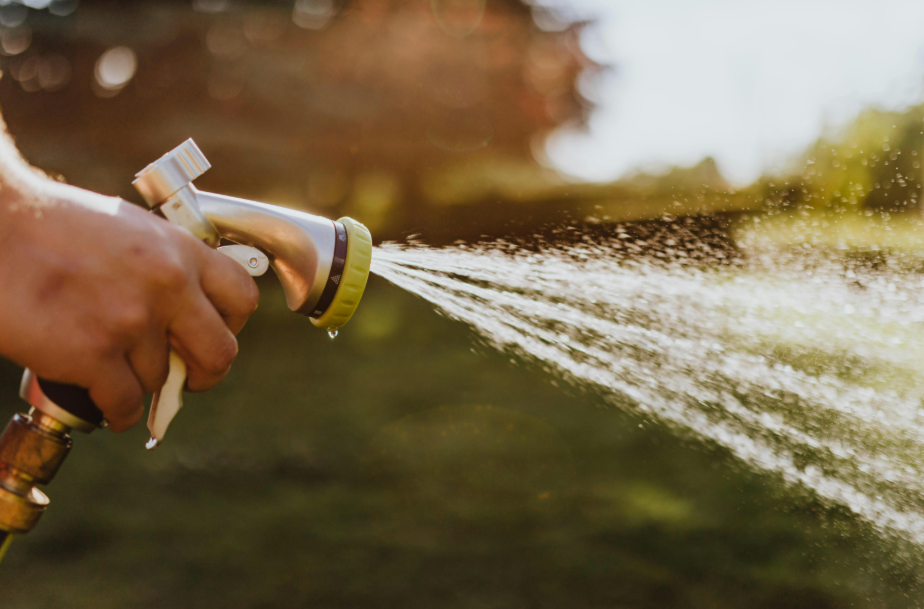
Water in the early morning to reduce evaporation losses, providing more water for thirsty plants and local creatures.
-
Mulch your native plants to help retain soil moisture, which helps the plants thrive while also providing a habitat for beneficial insects.
-
Avoid chemical fertilizers.
-
Avoid all pesticides, both chemical and natural, that are designed to kill bugs without discrimination. They kill native pollinators and beneficial insects along with the pests.
-
Stop deadheading. Flowers should be left to go to seed, providing essential food for birds, beneficial insects, and other local wildlife.
-
Provide “bee hotels” for cavity-nesting native bees, but also leave a patch of bare ground in your garden for the majority of our native bees that need bare soil for nesting.
Final Thoughts: Small Actions, Big Impact
Supporting backyard wildlife in the summer doesn’t require a major overhaul; just a few thoughtful changes are needed. From planting summer-blooming native flowers to providing clean, shallow water with Bee Cups, bird bubblers, and butterfly dishes, each small effort adds up to big support for your local ecosystem. With smart summer garden care, you can create a wildlife-friendly garden that is the perfect refuge for native pollinators, birds, and other wildlife during the toughest months.
Ready to get started? Explore our collection of native plants and hydration tools to help your garden thrive this summer.

Comments