
Post-Freeze Garden Care: Three Common Mistakes to Avoid
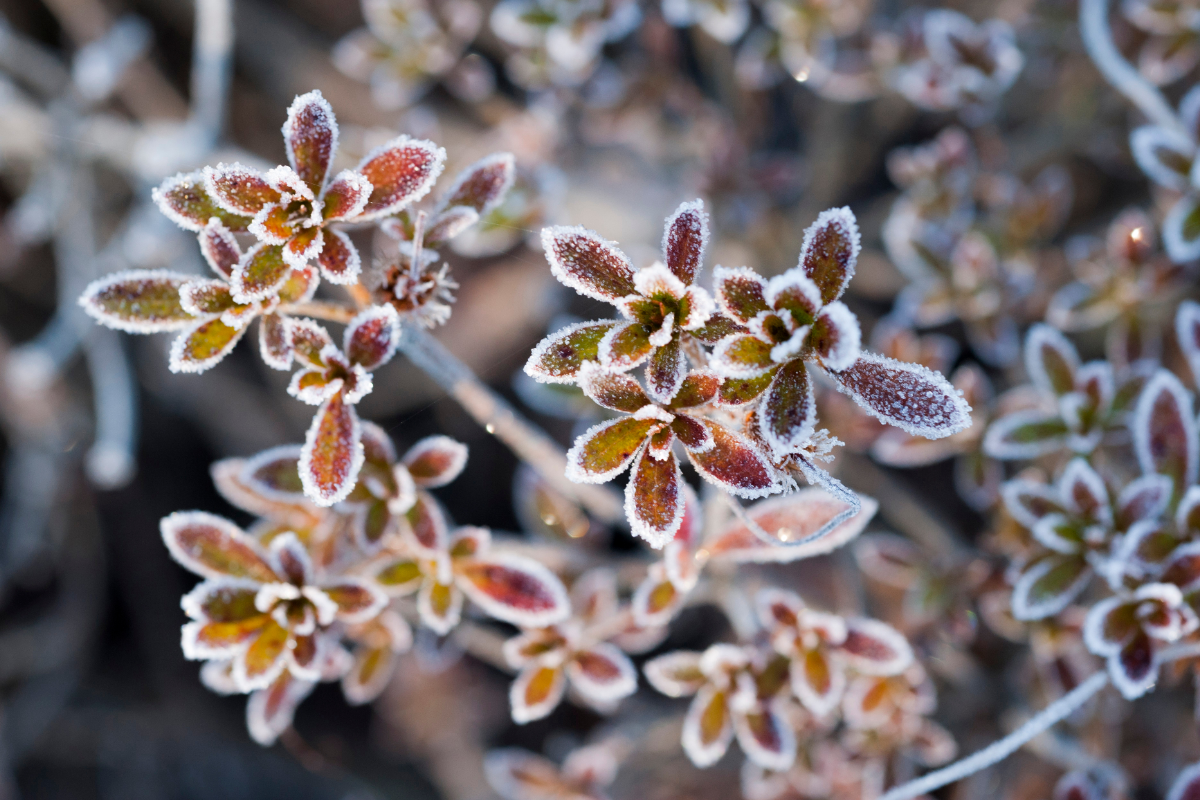
Winter weather in Texas can be unpredictable, and even a short freeze can leave native gardens looking rough. Dark foliage, droopy stems, and bare branches can make it tempting to jump in and start fixing things right away.
Even gardens filled with freeze-resistant and frost-resistant plants can show visible damage after a winter storm, but that does not mean those plants did not survive. When it comes to native plants, doing less immediately after a freeze is often the best thing you can do.
Here are the top three mistakes we see gardeners make after a winter storm, and what to do instead.
1. Panic-Pruning Too Soon
After a freeze, plants often look worse than they actually are. Leaves may appear dark, soggy, or wilted, and stems can look bare or lifeless. The urge to cut everything back is understandable, but acting too quickly can cause more harm than good.
That dead or damaged-looking foliage is often protecting the plant’s crown, which is the most vital part of the plant. Removing it too early exposes tender growth to future cold snaps and temperature swings, which are common during late winter in Texas.
What to do instead:
Wait until you see new growth, usually in late February through March. Once the plant begins actively growing again, prune just above that growth. This allows you to remove truly dead material without damaging living tissue.
2. Overwatering After the Freeze
It is true that well-hydrated plants handle freezes better, but once the storm has passed, extra water is not always helpful.
Most native plants go dormant or semi-dormant during winter, which means they need far less water than they do during the growing season. Cold, wet soil can stress roots and lead to rot, which often causes more damage than the freeze itself.
What to do instead:
Only water if the soil is actually dry several inches down and there has not been rain for an extended period. If the soil is still cool and moist, it is best to leave it alone. Cold and soggy soil is a combination native plants tend to struggle with.
3. Calling Plants Dead Too Fast
One of the most common post-freeze mistakes is assuming a plant did not survive simply because it looks dead above ground.
Many native plants, especially herbaceous perennials and grasses, naturally die back completely in winter. Some shrubby perennials that are deciduous may also go fully bare during colder months, even though they are still alive below the soil.
Pulling plants too early can mean removing something that would have come back stronger in spring.
What to do instead:
Give plants four to six weeks after the freeze, along with some consistent warmer days, before deciding they did not make it. Watch for new growth at the base or along stems before replacing anything.
Patience Is the Best Post-Freeze Tool
Native plants are resilient by design. While winter storms can make gardens look rough in the short term, most plants need time rather than immediate intervention to recover.
If you are unsure whether to prune, water, or replace something after a freeze, pause first. Let temperatures stabilize, observe what returns, and make decisions once plants show you they are ready.
A little patience now can make a big difference come spring!
What to plant in Texas this February
If you’re already thinking ahead to what comes next, we’ve curated a collection of plants that can be planted in February.


Comments