
Monarchs Are Coming — Will Your Garden Be Ready
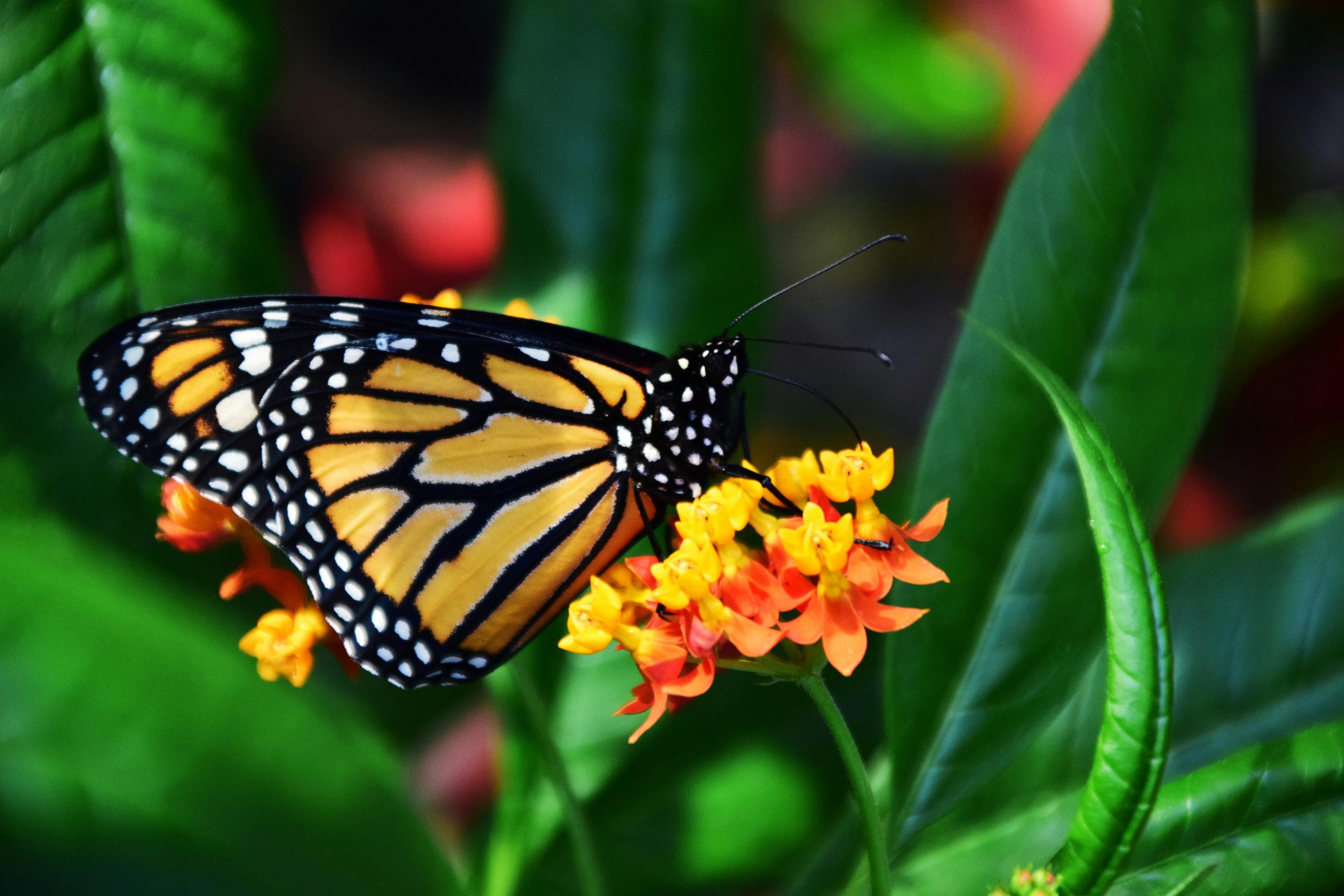
Every autumn, Texas becomes a critical pit stop for migrating Monarch butterflies and countless other pollinators. But by late summer, nectar supplies start to dwindle just when these travelers need them most. Planting native fall bloomers like mistflower, goldenrods, autumn sage, and others now ensures your garden is ready to provide the fuel they need for their journey.
Why August Matters for Fall Pollinators
While people often think of spring and summer as the time for pollinators, the truth is, pollinators need food sources from the first spring blossoms to the first hard winter freeze. In Texas, this means we are lucky to have a pollinator season that’s usually 10 months long and up to 12 months in the more southern portions, where mild winters allow flowers to keep blooming.
This makes August a critical time for fall pollinators because it’s after the summer flowers have begun to fade and go to seed, and there’s a gap in the nectar supply. It’s also the time you make sure you have native plants available to bloom all throughout the fall. Native plants need time to establish and start thriving before they can support wildlife. Late summer planting ensures there is food and shelter this fall to support pollinators when they need it the most.
The Monarch Migration
Numerous pollinators, including the famous Monarch butterflies, migrate through Texas during both fall and spring. Monarchs are unique for having such a long migration that it takes generations of butterflies to make the trip. They feed, mate, and lay eggs along the way, with their offspring carrying on the next leg of the journey. The fall migration cycle for the monarch butterfly in Texas typically begins in late September through November, peaking in mid-to-late October.
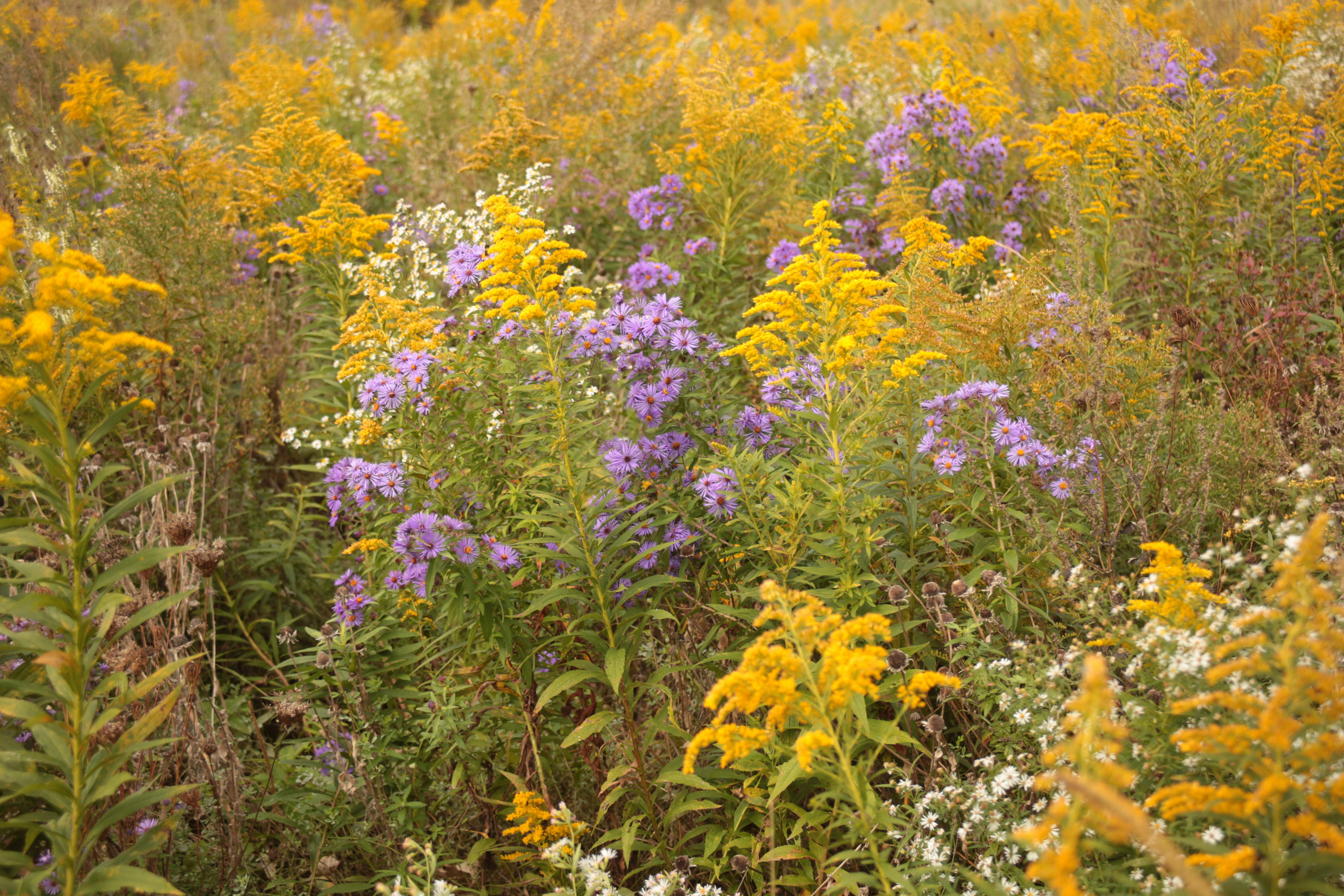
Ensuring you have plenty of native goldenrods, asters, and more in your garden this fall will help ensure another successful migration for the monarchs and all our other native pollinators.
Best Native Plants to Add Now
When deciding which plants are the best for your fall pollinator garden, choose proven fall bloomers that thrive in September and October. Also, look for a variety of native species as these are what will best support your native pollinators. Non-native plants may provide some nectar for generalists like bumblebees. However, many of our native pollinators have co-evolved with specific native plants and will sometimes only use those for food and especially as host plants for reproduction. This is why planting native plants is essential.
There are plenty of native flowers that will help the fall migration, including Fall Asters, Gregg’s Mistflowers, Goldenrods, and more. Let’s take a look at some other great native plants to get started now for your fall pollinator garden!
Fragrant Mistflower (Ageratina havanensis)
The beautiful Fragrant Mistflower, also known as Shrubby Boneset, is a hardy pollinator-friendly perennial shrub that brings months of color and food for pollinators. It blooms from spring through December, making it a critical native plant for your fall pollinator garden, providing an extended nectar source for butterflies, moths, and hummingbirds. It thrives in full sun to part shade, in almost any type of well-drained soil, and grows up to 6 feet tall with a spread of up to 4 feet, so ensure you plant it in an area where it has room to grow, and it will quickly become a pollinator hotspot in your fall garden!

Autumn Sage ‘Lipstick’ (Salvia greggii ‘Lipstick’)
The lovely Autumn Sage ‘Lipstick’ is a gorgeous long-season bloomer with stunning blossoms that range from bright red to white. Blooming from March through November, it provides a steady nectar source throughout most of the growing season, supporting hummingbirds, bees, and butterflies galore, making it a cornerstone of wildlife-friendly gardens and a shining star of the fall pollinator garden. It’s also a drought-tolerant plant perfect for dryland gardens and low-maintenance color.

Texas Sage ‘Compact’ (Leucophyllum frutescens ‘Compacta’)
The Texas Sage ‘Compact’ is a drought-tolerant evergreen shrub with beautiful silvery foliage and bursts of lilac-pink flowers. While more of a spring-bloomer, the Texas Sage is well-known to bloom after any good rainfall, including a second good bloom in the fall. Growing up to 5 feet tall and wide, ensure you plant it with enough space for it to spread and fill in naturally. Its resiliency and low water needs make it perfect for that xeriscape section of your yard. This bush is loved by bees, butterflies, and other pollinators who feast on the nectar. Its evergreen foliage also provides year-round shelter for passing pollinators and other native creatures.

Monarchs don’t actually use native milkweeds much in fall since most have stopped producing flowers by September, and because the fall monarchs don’t stop to breed. Still, it’s a good time to think about planting milkweed this late summer/early fall since it’s the best time to get your perennials started. This will ensure they have lots of time to grow healthy roots so that it’s ready to be a host plant for next Spring’s migration, when they will stop to lay eggs
The Aquatic Milkweed thrives in moist to wet soils, making it an excellent choice for rain gardens, pond edges, ditches, and other low, damp spots where other plants often struggle. In addition to being a host plant for the Monarch, it also provides nectar for butterflies, bees, and other beneficial insects from late spring through early fall. Plant a few of these in that damp corner of your yard and turn it into a pollinator hotspot.

How to Create a Pollinator-Friendly Landscape
Pollinator Garden Design Tips
-
Adopt sustainable gardening practices and never use pesticides in your pollinator-friendly landscape. Pesticides are designed to kill insects, and they don’t distinguish between the good and bad ones.
-
Add water sources that are suitable for your pollinators. For instance, small, shallow bird baths will be used by hummingbirds (standard bird baths are usually too deep). For bees, provide things like Bee Cups, which you refill any time you water your garden. And butterflies prefer shallow dishes filled with pebbles set on the ground since they’re drawn to mud puddles, which provide them with both water and minerals.
-
Group your pollinator plants together so the pollinators don’t have to travel so far between plants. Also, group your plants according to water needs. Those that like moist soils and more water, plant along pond wedges and low spots in your yard where water collects. Those that prefer dry soils plant in higher, rockier soils in your yard and areas where it’s harder to reach with the garden hose.
-
Plant a wide variety of native plants, as these are the best for native pollinators. The more variety, the more native pollinators you will support.
-
Also, group plants that bloom at different times of the year to ensure your pollinator garden provides nectar sources from early spring through to the beginning of winter.
-
Finally, be sure to mix a wide variety of flower colors and shapes, since different flower shapes and colors attract different pollinators.
-
Hummingbirds are drawn to flowers with tubular shapes, especially ones that are red or orange, but they also like yellow and blue.
-
Butterflies are more drawn to flat or very short-tubed flowers they can land on, and they like vibrant flower colors, particularly red, yellow, orange, pink, and purple.
-
Bees are drawn to flowers with an open ‘landing strip’ for them and are drawn to ultraviolet, which we cannot see, but also like flowers that are purple, blue, violet, yellow, and white.
Look Into Certifications
If you are serious about supporting our native pollinators, why not take it that one step further and show others how serious you are? You can look into certifications like the Monarch Waystation, run by Monarch Watch. It recognizes gardens that are designed to support Monarch butterflies throughout their lifecycle and migration. To qualify, you must provide milkweeds for Monarch caterpillars and nectar-rich flowers for adult butterflies, and use sustainable practices like avoiding harmful pesticides. In essence, a healthy native plant landscape designed for pollinators probably already meets these requirements.
Another certification you could look into is the certified Wildlife Habitat program run by the National Wildlife Federation that recognizes habitats that provide food, water, shelter, and places for wildlife to raise their young. To qualify, you must include native plants that provide nectar, seeds, or berries (or better yet, all three!), a reliable water source, shelter including shrubs, brush piles, or rock piles, and safe nesting places. And of course, you are required to commit to sustainable gardening practices that reduce chemical use and support biodiversity.
Do you want to go further, but just aren’t sure where to begin? Go ahead and book a pollinator garden consult with Nativo Gardens, and we can help you get started!
Final Thoughts
The fall Monarch migration is one of nature’s most spectacular events, and your garden can play a vital role in its success. By planting late-season nectar sources, avoiding pesticides, and designing with pollinators in mind, you’ll create a haven that supports butterflies, bees, and hummingbirds well beyond October. So this August, head down to Nativo Gardens and get those natives in the ground because when the Monarchs arrive, you’ll want your garden buzzing with life and ready to welcome them.

Comments