
7 Native Flowers That Still Bloom in September
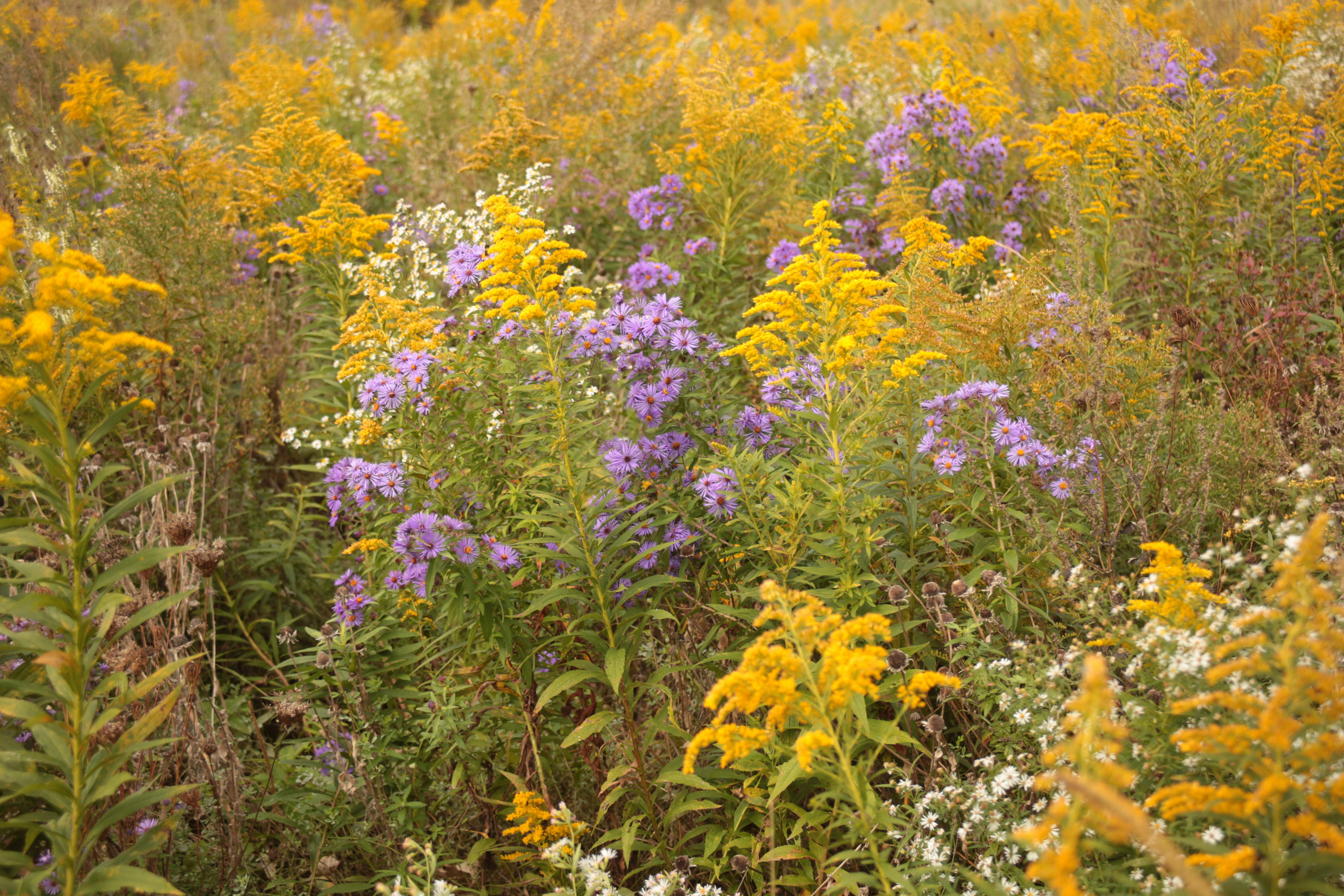
By the time September arrives in Texas, most of our gardens have endured months of heat and drought. Many summer wildflowers are fading, leaving pollinators with fewer food sources just as monarch butterflies begin their long migration south. That’s why planting native flowers that bloom in September is so important. Not only do they add fresh color and life to a tired landscape, but they also provide critical nectar for bees, butterflies, hummingbirds, and other native pollinators at a time when resources are often running very low.
Why September Blooms Matter for Texas Gardens
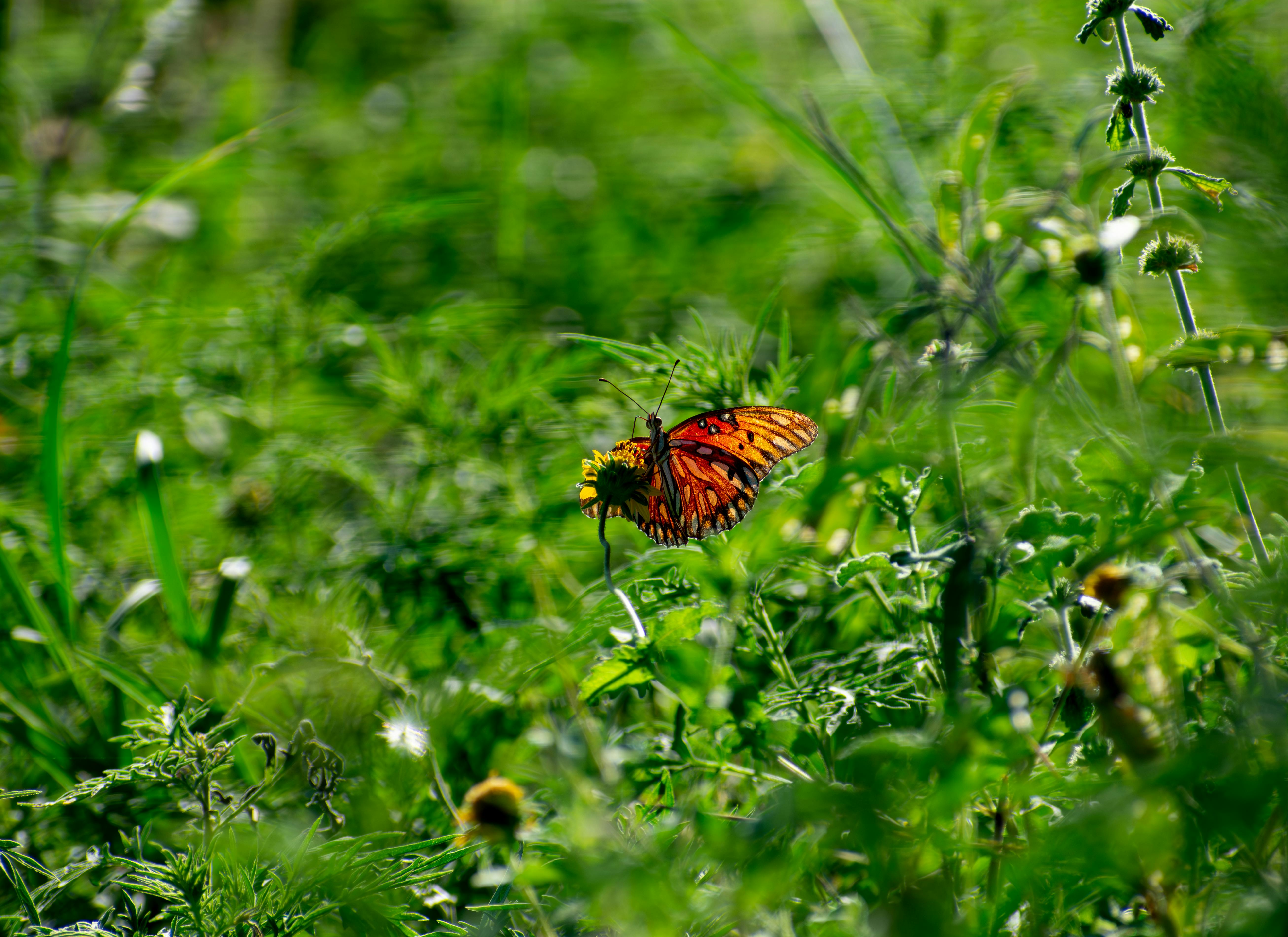
By now, most summer wildflowers are fading away, with little to no more nectar or pollen for our native pollinators, who enjoy a 10- to 12-month-long season, depending on the Texas eco-region where you live. This is why late-blooming annuals and perennials and late-season nectar plants are just as critical in the fall and even winter as they are in the early spring when blossoms are few and far between.
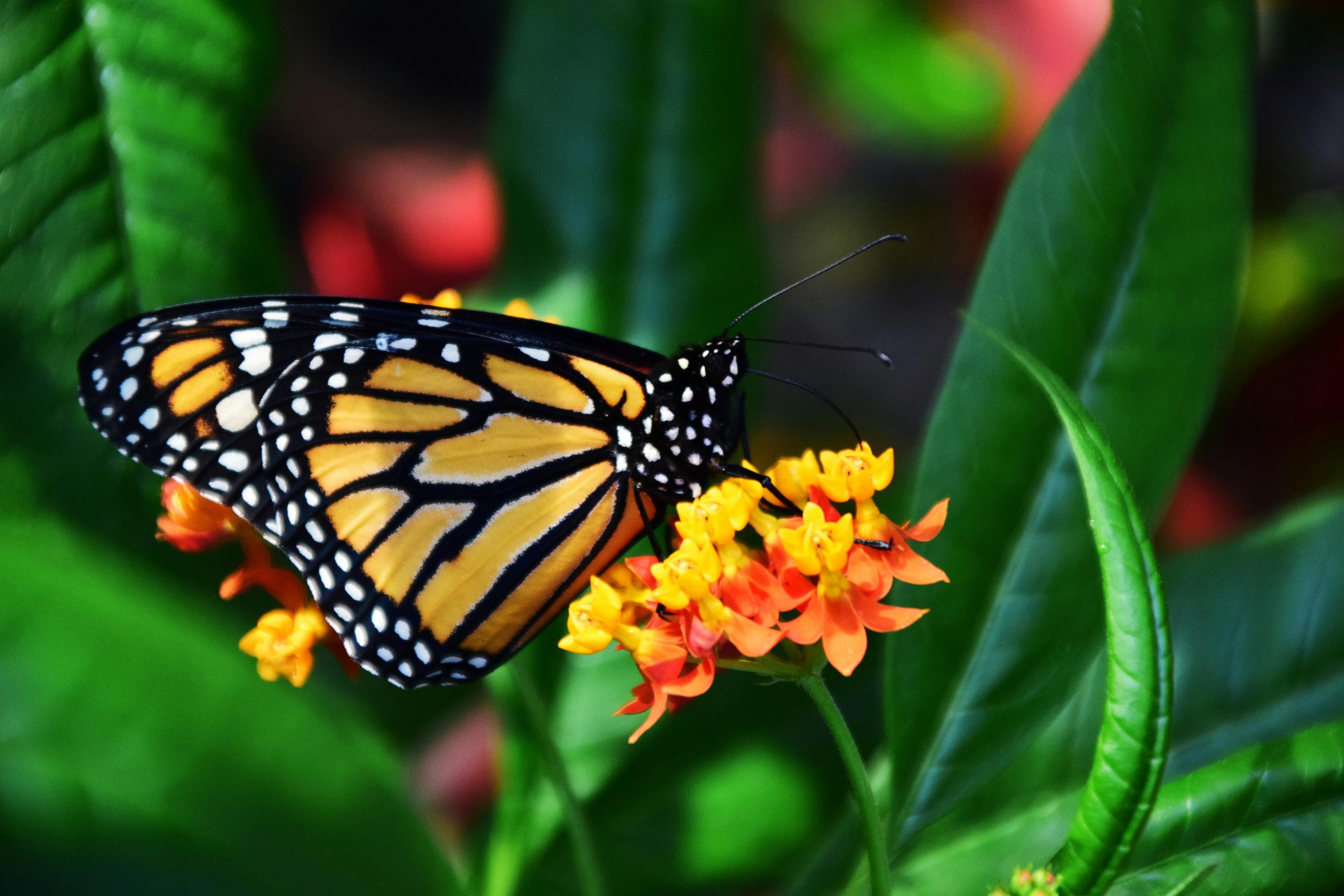
Of course, the best late-season nectar plants are native plants for native pollinators since they have already adapted to grow together in our unique Texas climate. This is especially crucial to supply nectar plants for the monarch migration season, which occurs throughout the fall in Texas, as the beautiful Monarchs make their way back to the high mountain forests in Mexico, where they overwinter before returning next spring.
Finally, even once all the blooms have faded, leave your native wildflowers to go to seed in a wildlife-friendly garden, providing fall and winter food for the birds and wild animals that rely on them.
7 Native Texas Wildflowers That Bloom in Early Fall
1. Fall Aster (Symphyotrichum oblongifolium)
If your garden is looking worn out by September, Fall Aster brings it back to life. This compact perennial forms a mound 2–3 feet tall that bursts into dazzling purple or violet blooms from late summer until a good frost. Tough and easygoing, it thrives in full sun and well-drained, rocky, and calcareous soils, and once established, it’s very drought-tolerant and perfect for Texas gardens. Pollinators love it too: bees, butterflies, and even migrating monarchs depend on its late-season nectar when few other flowers remain.
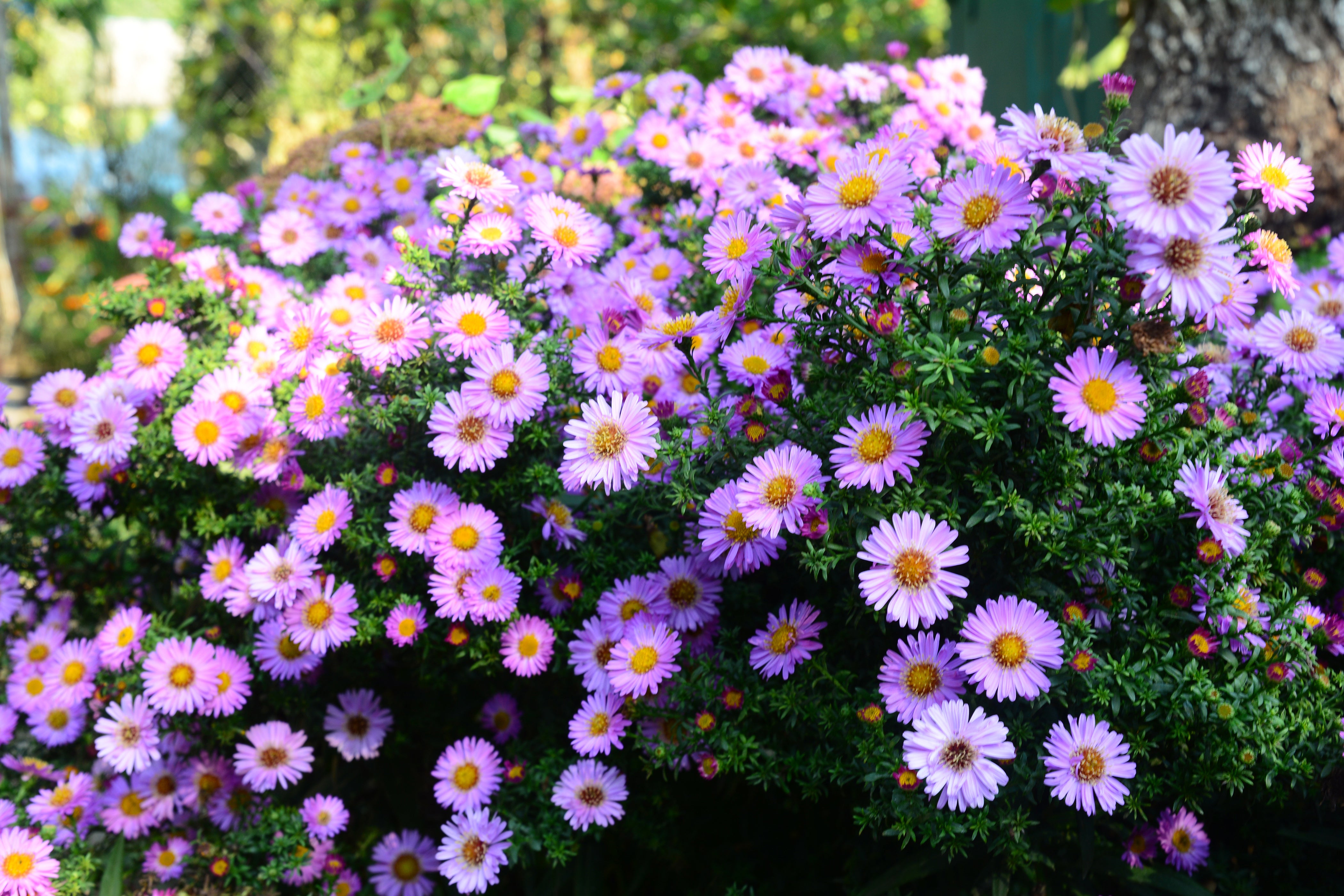
Image: FALL ASTER is available now at Nativo Gardens!
2. Gregg’s Mistflower (Conoclinium greggii)
There are only a few native flowers that bloom in September that draw butterflies in quite like Gregg’s mistflower does. This Texas native is famous for attracting monarch and queen butterflies, which flock to its fuzzy clusters of soft blue flowers from late summer into fall. It grows 1–3 feet tall and spreads easily, thriving in partial shade but also tolerating sun if given enough moisture. Mistflower pairs beautifully with other pollinator-friendly natives, such as lantana, salvias, or fall aster, creating a lively mix of colors and nectar sources to turn your garden into a fall butterfly haven.
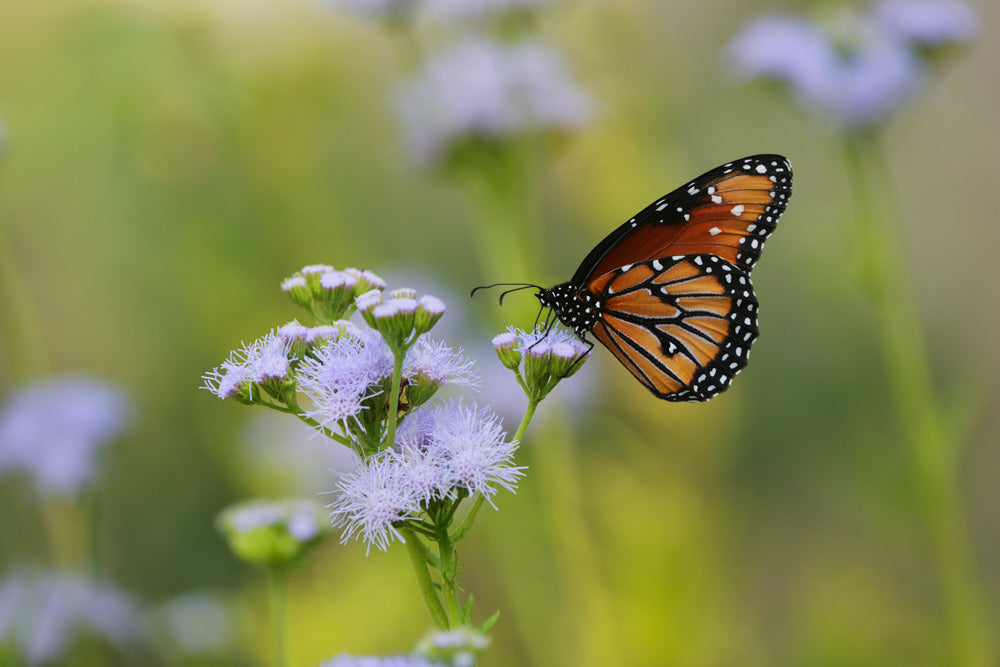
Image: GREGG’S MISTFLOWER is available now at Nativo Gardens!
3. Turk’s Cap (Malvaviscus arboreus var. drummondii)
Turk’s Cap is another Texas fall-blooming favorite for good reason. It’s one of the few plants that continues to bloom well into fall, with bright red, quirky turban-shaped flowers that never fully open but are irresistible to hummingbirds, which hover around the plant daily for nectar. In the fall, it also produces berries loved by birds and small animals. Growing 2–5 feet tall, Turk’s cap is native to much of Texas and thrives in partial shade but can handle full sun, and once established, it’s very drought-tolerant. Its ability to tolerate poor soils and low maintenance makes it an easy way to keep your garden buzzing with life in all seasons.
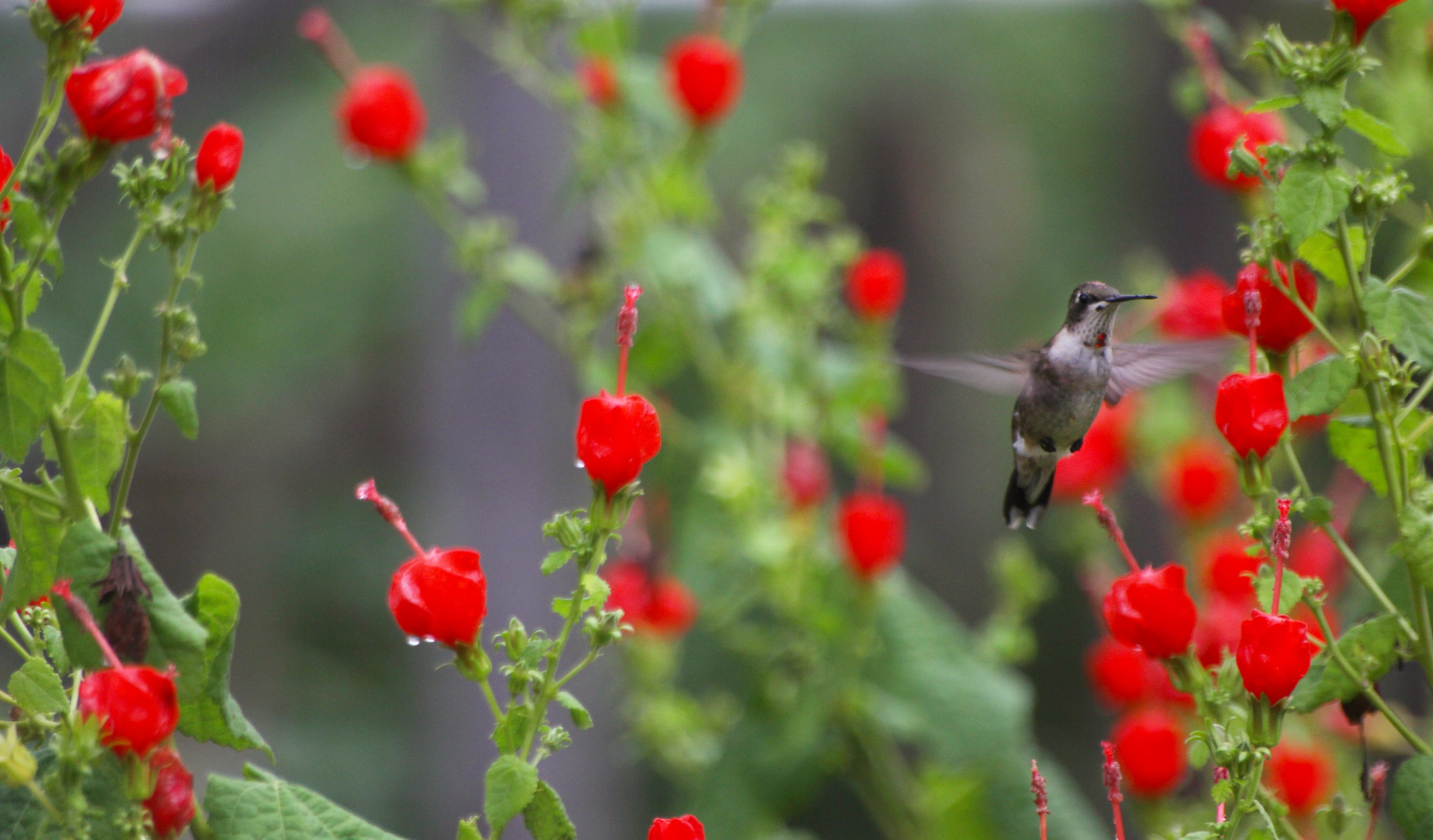
Image: TURK’s CAP is available now at Nativo Gardens!
4. Texas Lantana (Lantana urticoides)
The Texas Lantana is another hardy, heat-loving perennial that produces fiery clusters of orange, red, and yellow blossoms, blooming from April through November. These blossoms are loved by butterflies and hummingbirds throughout the season, especially in fall when most other summer bloomers have ceased. This tough native thrives in full sun and poor, rocky soils where other plants struggle, and once established, it needs little more than occasional deep watering. Growing 3–6 feet tall, give it plenty of space to sprawl naturally and cover ground quickly.
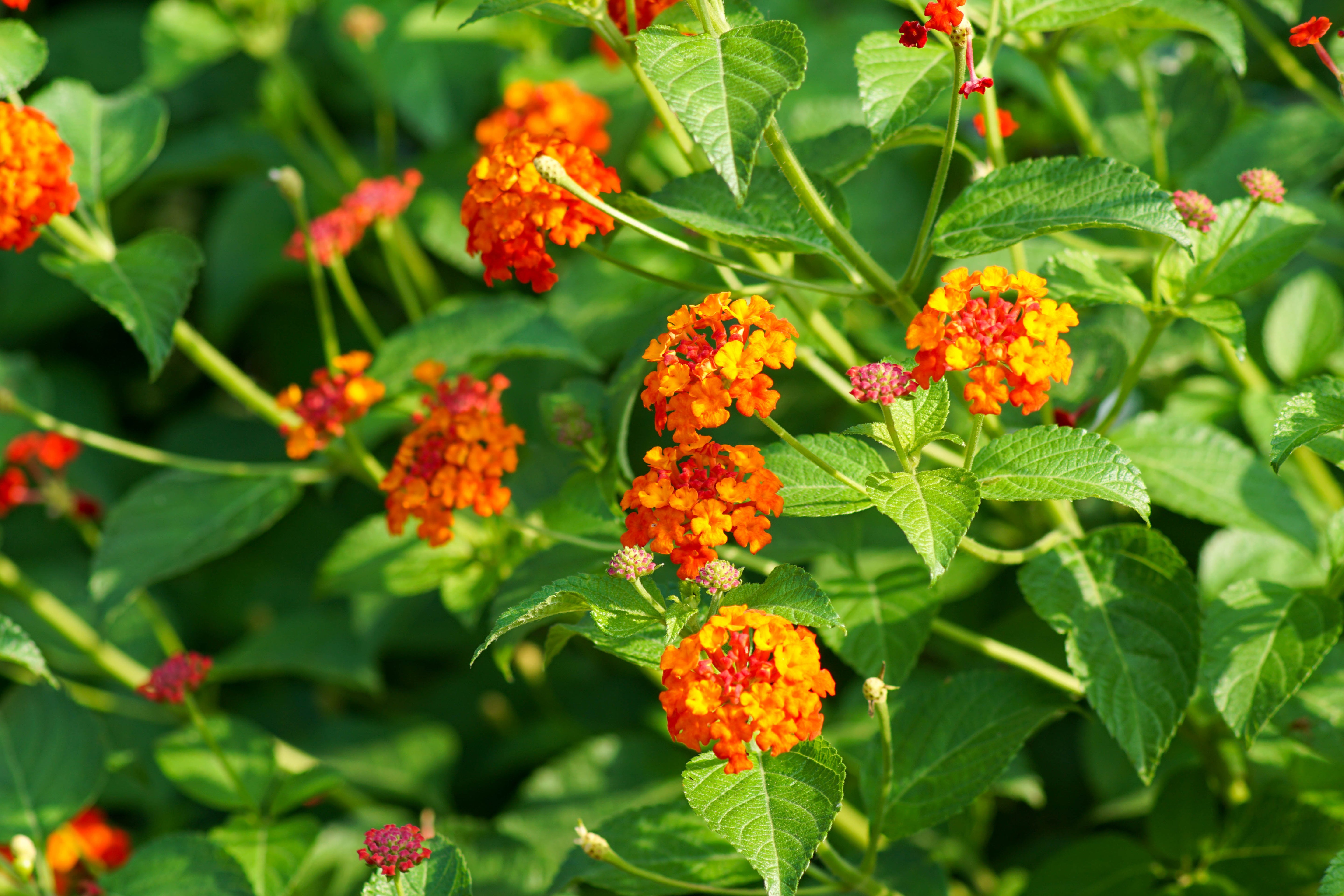 Image: TEXAS LANTANA is available now at Nativo Gardens!
5. Flame Acanthus (Anisacanthus quadrifidus var. wrightii)
The Flame Acanthus adds showy tubular red-orange blooms through September and into Fall, attracting hummingbirds galore as they migrate on the lookout for nectar to fuel their journey. It thrives in full sun and well-drained soil and is highly drought-tolerant once established. It pairs well with other heat-loving natives like Texas Lantana or Salvia for a water-wise, low-maintenance, hummingbird-friendly fall garden.
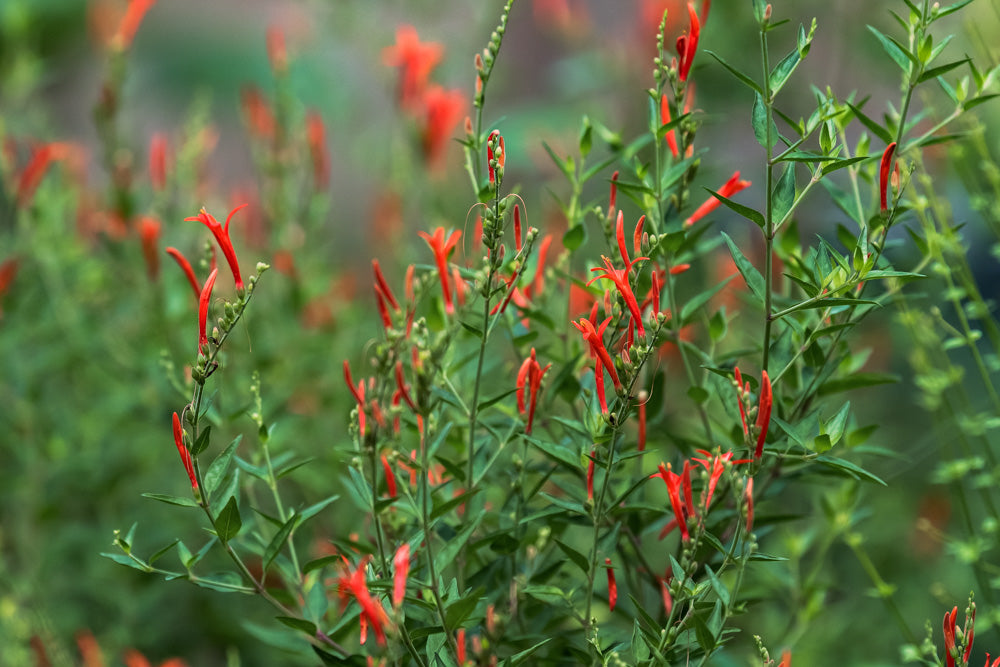
Image: FLAME ACANTHUS is available now at Nativo Gardens!
6. Dense Blazing Star (Liatris spicata)
The lovely Dense Blazing Star adds striking vertical accents to the fall nectar garden with its beautiful tall purple flower spikes 2 to 4 feet in height that bloom from the top down in late summer through early fall, just in time for the monarch migration. Butterflies, bees, and other pollinators will flock to its nectar-rich blooms, making it a perfect native flower that blooms in September to support pollinator-friendly landscapes. Ideal for naturalizing in prairie-style gardens, it thrives in full sun and well-drained soil but will tolerate clay.
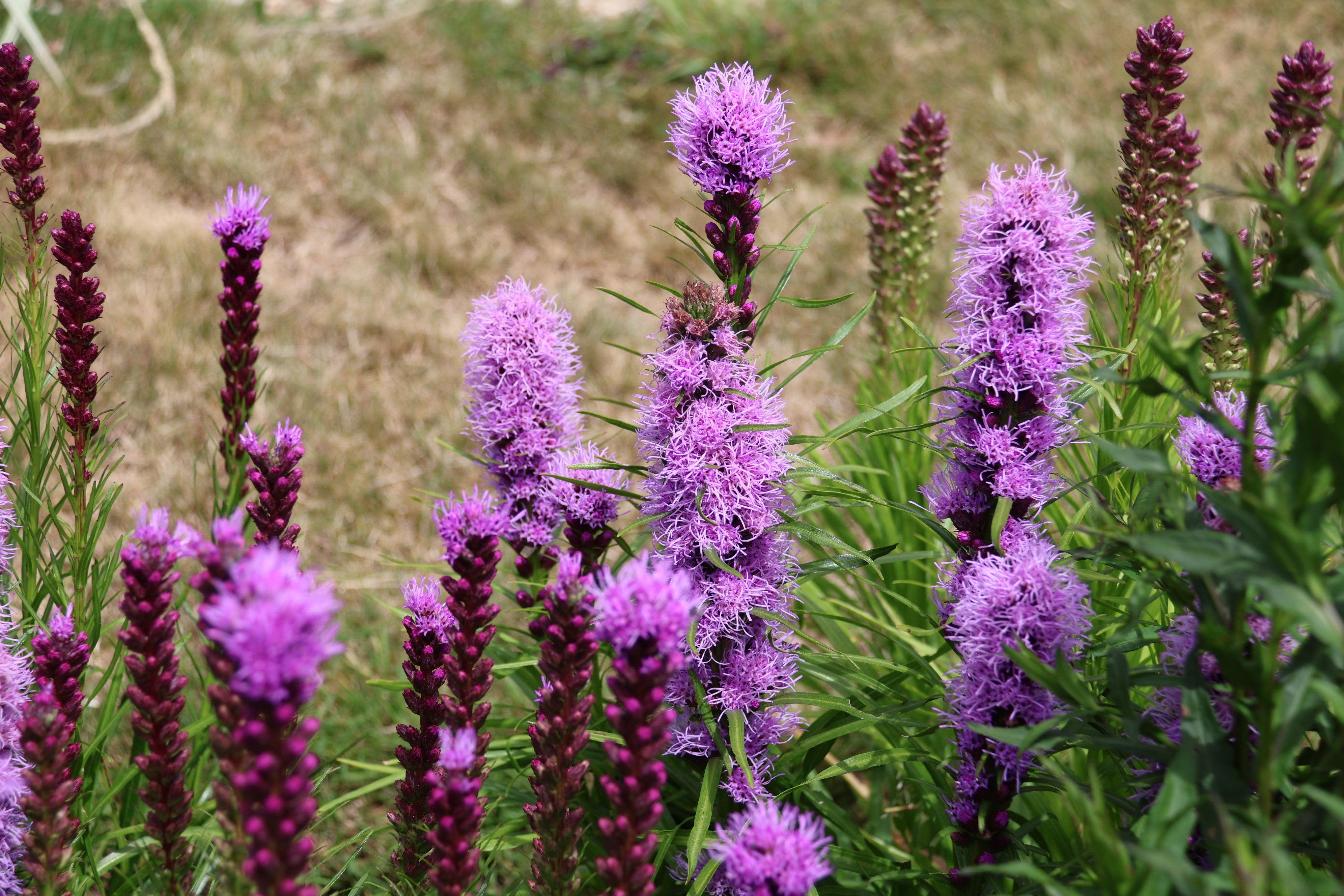
Image: DENSE BLAZING STAR is available now at Nativo Gardens!
7. Aquatic Milkweed (Asclepias perennis)
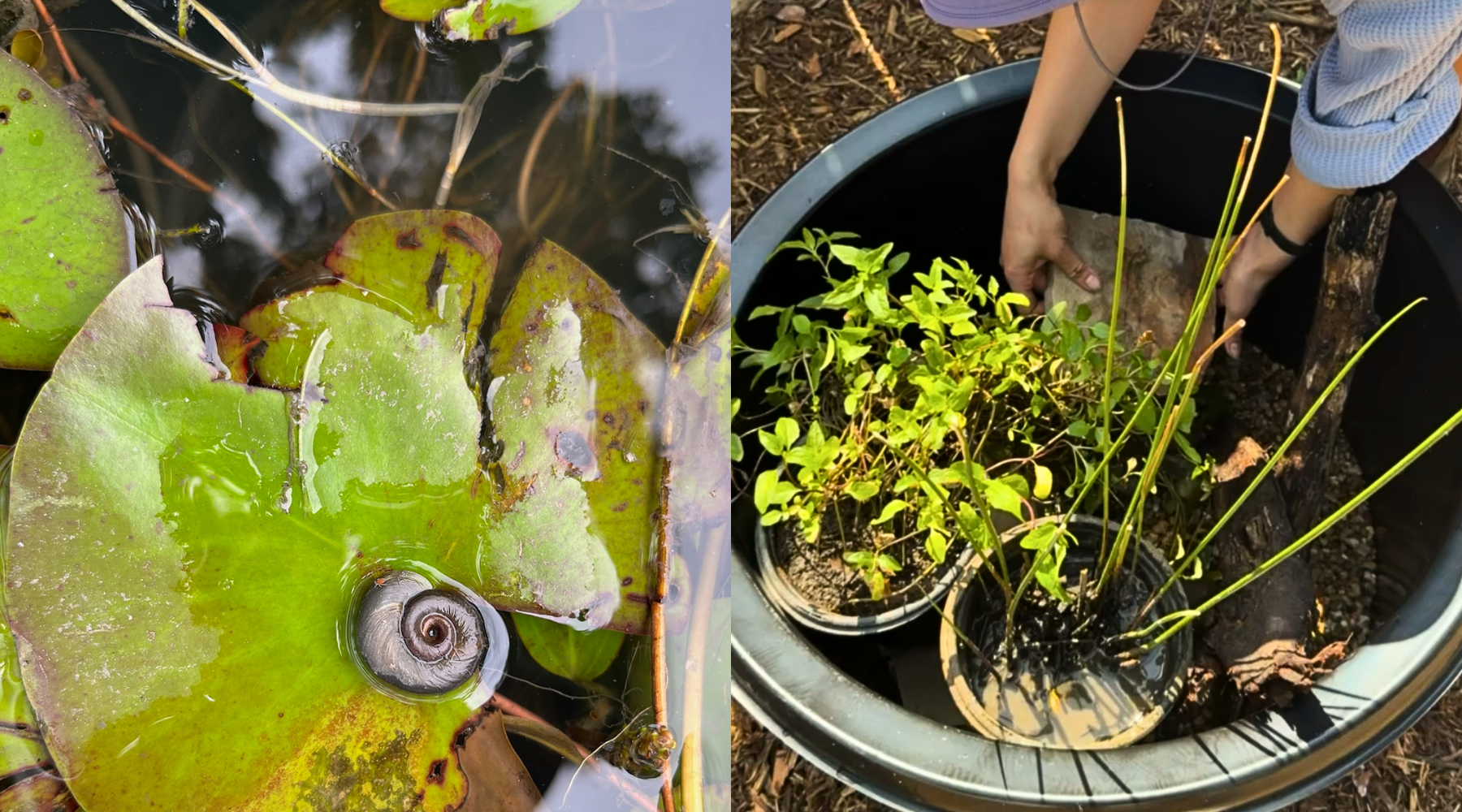
Finally, the Aquatic Milkweed is a must-have for gardeners who want to support the monarch migration, not just in fall with nectar plants, but also next spring. In addition to nectar, the spring leaves are an essential host for monarch caterpillars, which will then finish the migration north to Canada during their summer journey. Planting aquatic milkweed in moist to wet soils, such as along rain gardens, pond edges, or low spots in the yard, will provide a reliable stopover for monarchs and a perfect nectar habitat for spring bees and butterflies.
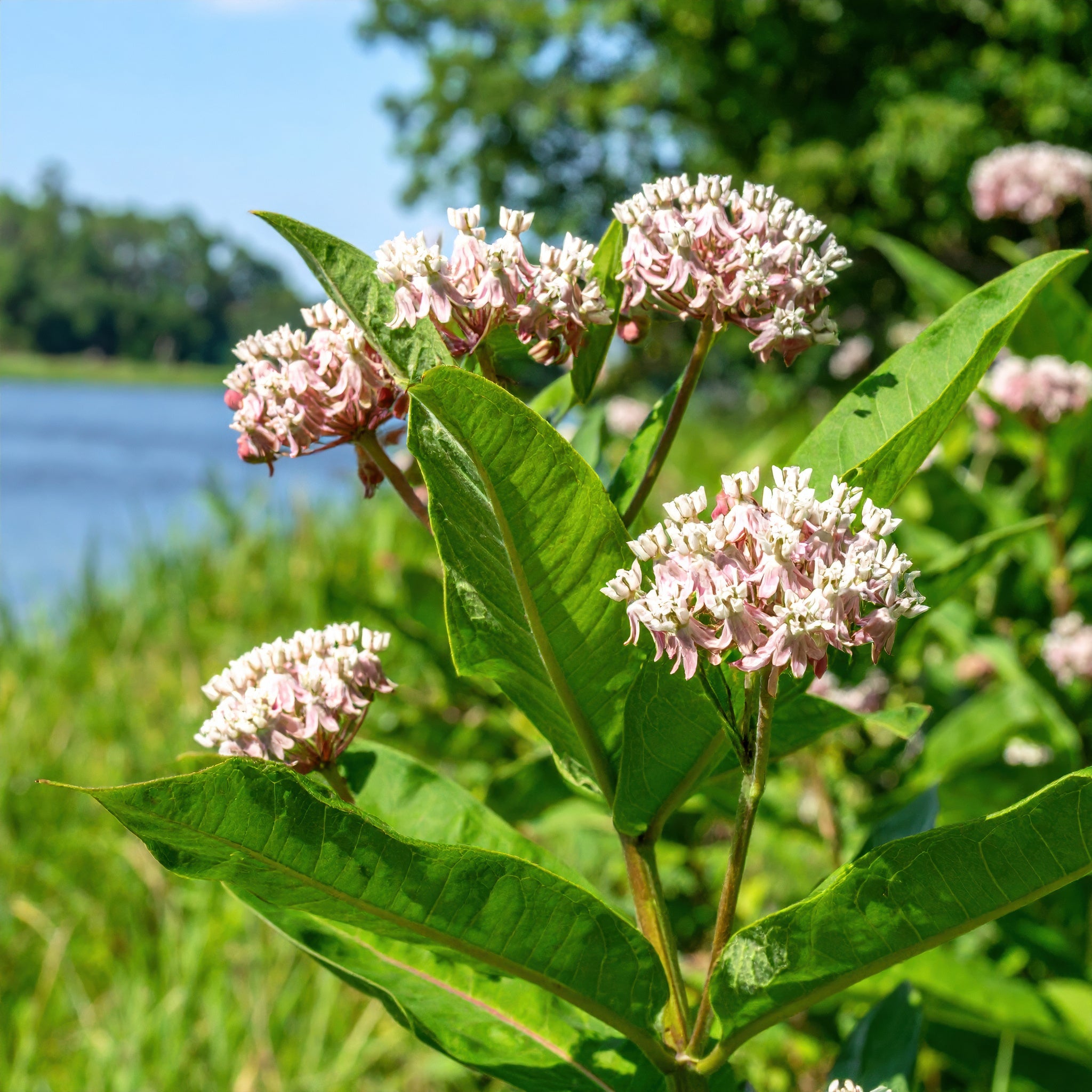
Image: AQUATIC MILKWEED is available now at Nativo Gardens!
Planting Tips for a Blooming September Garden
Now, let’s take a look at some simple planting tips to keep your September Garden blooming!
Soil, Water, and Sunlight
It’s always best to group plants in your yard according to their basic soil, water, and sunlight needs, making them much easier to maintain.
First, do they like well-drained, moist, or wet soils? Plants that need well-drained soils should have higher sand and pebble content and/or be planted at a higher point in the landscape, often also more open and sunny. Plants that need moist soils should be planted in deeper soils that are rich in organic matter, found on flat ground, in a slight depression, or in a shadier site. Plants that require wet soil should be planted around the borders of a water feature or in a rain garden.
Sunlight sometimes goes hand in hand with soils, but sometimes not. Plants that thrive in full sun can be planted in your drought-tolerant xeriscape section of your yard, often (but not always) in poor soil conditions. Some plants will thrive better in full sun if you provide a richer soil by adding plenty of compost and mulch every spring and again in fall. Alternatively, if it requires drier soil, place it in a raised bed or add sand and gravel to the soil. If it needs more shade, plant a shade tree or shrub in front of it. Those that require full shade should generally be planted on the dark side of a house or under the canopy of a shade garden.
Still, since native plants are already adapted to our area, it makes it easy to make small changes by modifying the soil, temperature, and shade. The only limits to what you can do with native plants are your imagination!
Combining Native Varieties for Continuous Blooms
Another important pollinator-friendly garden factor is selecting a suitable variety that supports continuous blooms, which is essential for our long Texas pollinator season.
This means, in addition to those spring starters, you need late-blooming summer perennials and annuals, as well as Texas native fall-blooming plants, to ensure you have enough September garden flowers to support your pollinators before the scarcity of fall begins.
Choose a variety of native flowers in different shapes (round, flat, tubular, etc) as well as sizes (tiny, small, medium, large) and colors (red, yellow, blue, white, purple, orange, etc.). Choose a variety of bloom times that span from early spring to summer. Then choose more that will still bloom in September and October, or even into the winter, depending on your Texas eco-region. Now plant as many different kinds as you can to attract the most native Texas pollinators!
Supporting Wildlife Year-Round
In most parts of Texas, pollinator season does come to an end, but that doesn’t mean wildlife support ends. Allowing those native wildflowers to go to seed this fall is crucial for our fall and overwintering native birds and other wildlife that rely on them as a food source, either for migrating to the warmer south or to hunker down and wait out the short Texas winter.
Part of winter wildlife support is also providing water sources when you can. It’s not as critical as in the summer, as fewer creatures are active, but if you are in a freeze-free zone, be sure to offer a birdbath and a butterfly pebble dish or two in the off-season.
Final Thoughts: Keep Your Garden Alive into Fall
Adding late-blooming natives is one of the simplest ways to extend the life of your garden while supporting the creatures that depend on it. Plants like Fall Asters, Gregg’s Mistflower, and Texas Lantana can transform a fading yard into a vibrant pollinator hub, while others, such as Flame Acanthus and Turk’s Cap, bring color and movement well into autumn.
Start small if you’re new to native gardening. Head on down to Nativo Gardens and choose a few native flowers that bloom in September that catch your eye and fit your yard’s conditions. Over time, you’ll build a layered, resilient garden that supports pollinators year-round and rewards you with more beauty in each and every season.

Comments