
Native Annuals for September and Fall Gardens in Texas
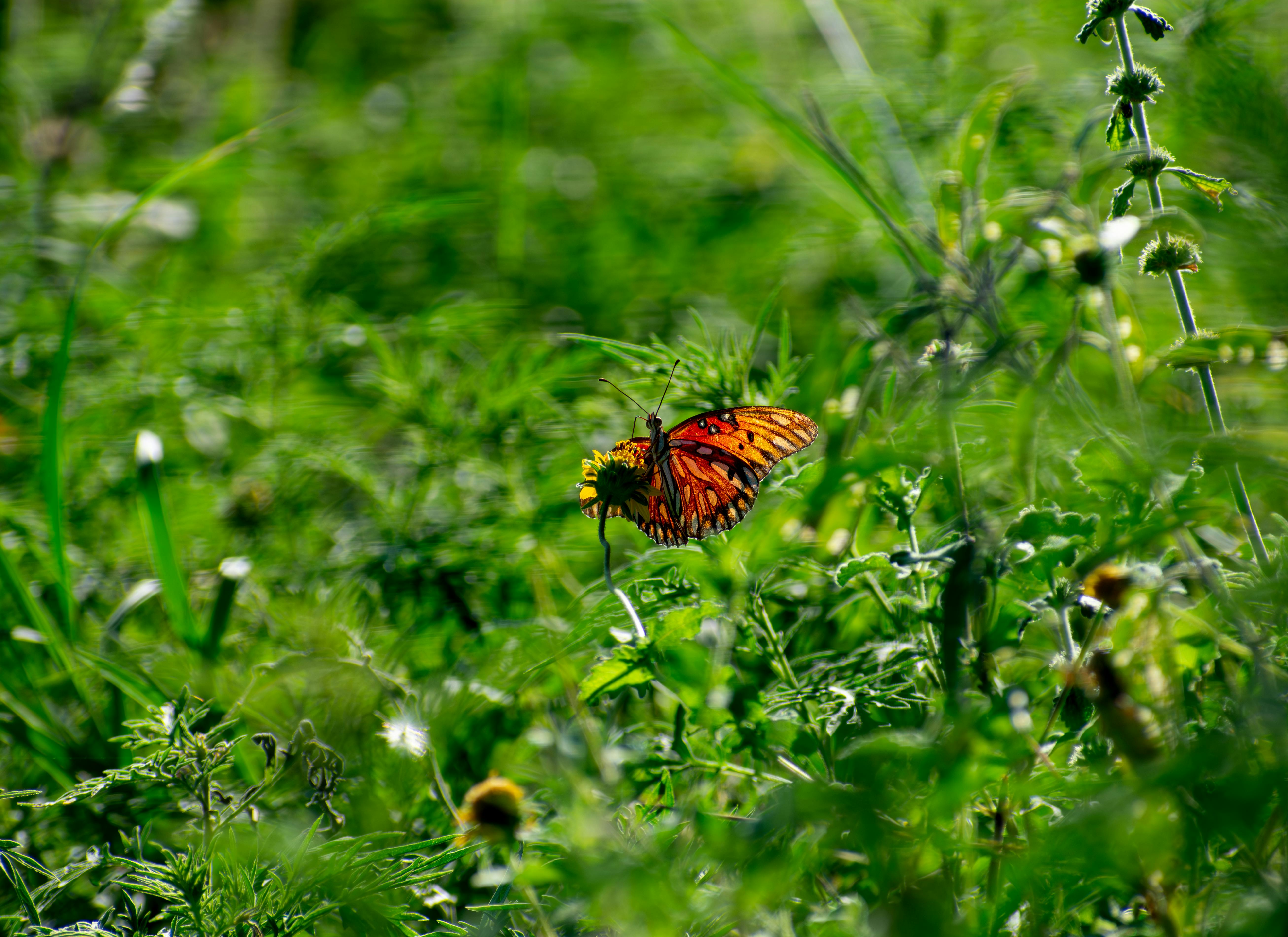
Native annuals play an essential role in September gardens by extending the bloom season and supporting wildlife at a critical time. They provide crucial nectar for pollinators preparing for migration and seeds for grain-eating birds heading into the winter. Because they’re adapted to local soils and climates, these plants thrive with little care and often reseed naturally, making them both ecologically valuable and practical for local gardeners.
Why Native Annuals Matter in Texas Gardens
Texas summers can be hot and brutal, and by the time September rolls around, many flower gardens are tired and worn out. Native annuals are nature’s way of refreshing the landscape. They germinate quickly and thrive in local soils, keeping your garden colorful and lively well into fall. Many native annuals reseed themselves, so once you get them started, they return year after year with little to no effort on your part.
Adapting to Heat, Drought, and Soil
But native annuals aren’t just pretty fillers. Since they evolved in our Texas climate, they can handle the heat, drought, and unpredictable rains. That means low-maintenance gardening with less watering, fewer soil amendments, and fewer pests to fight off since native plants are already adapted and rarely show signs of infestation.
Supporting Pollinators in the Fall Season
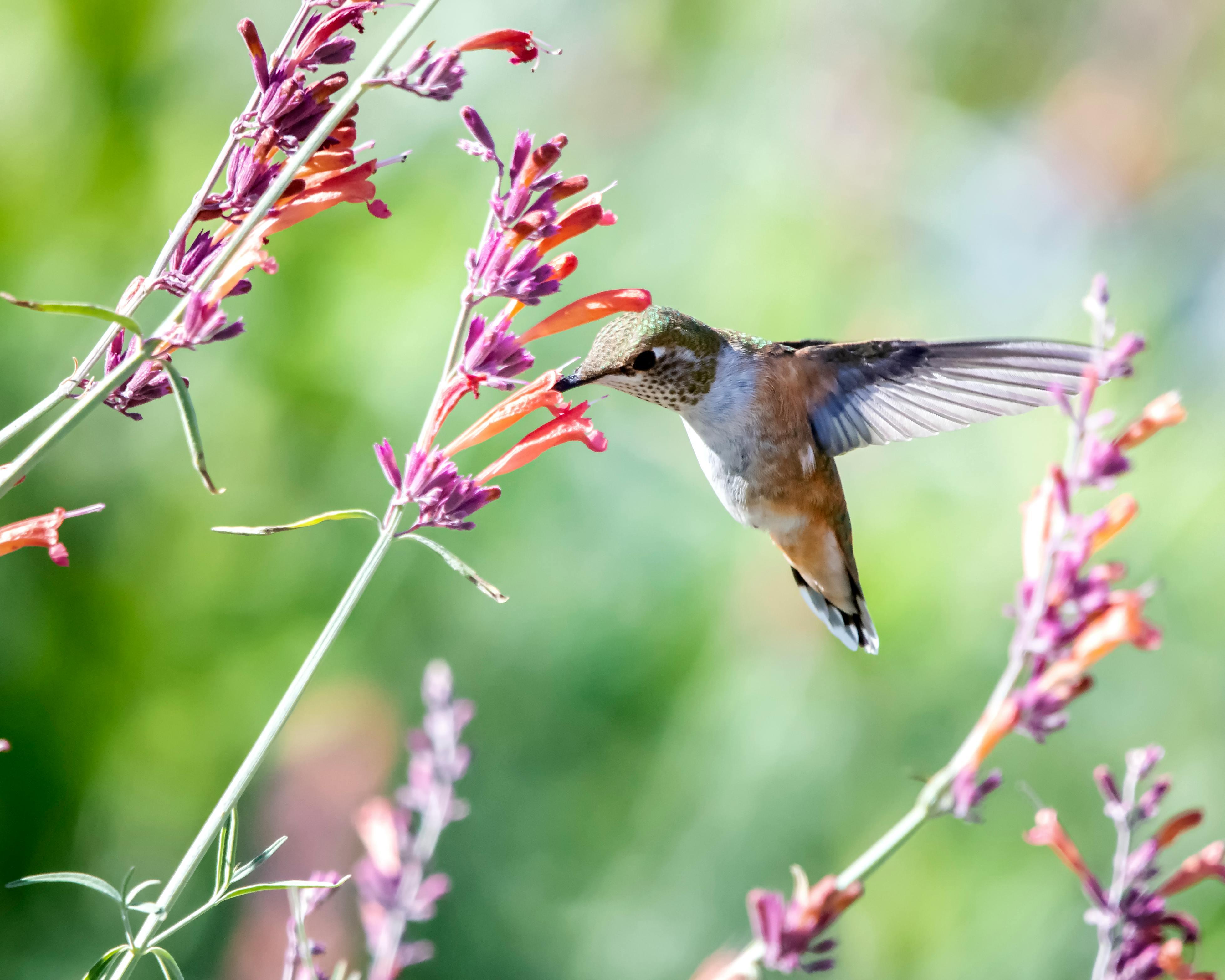
Native annuals also provide essential late-season food sources for pollinators, including migrating monarchs, hummingbirds, and native bees, which all still rely heavily on nectar and pollen to fuel their journeys at a time when supplies are running low. When left to go to seed, they also provide food for migrating and overwintering birds and wildlife. Planting native annuals turns your yard into a rest stop for all these species, helping sustain them when natural resources are scarce.
Best Native Annuals and Perennials for September Planting
There aren't many true Texas annuals that bloom in September and October, but we will use what is readily available below. This is why it’s also essential to mix them with short or long-lived perennials that also bloom into the fall.
Fall Aster (Symphyotrichum oblongifolium)
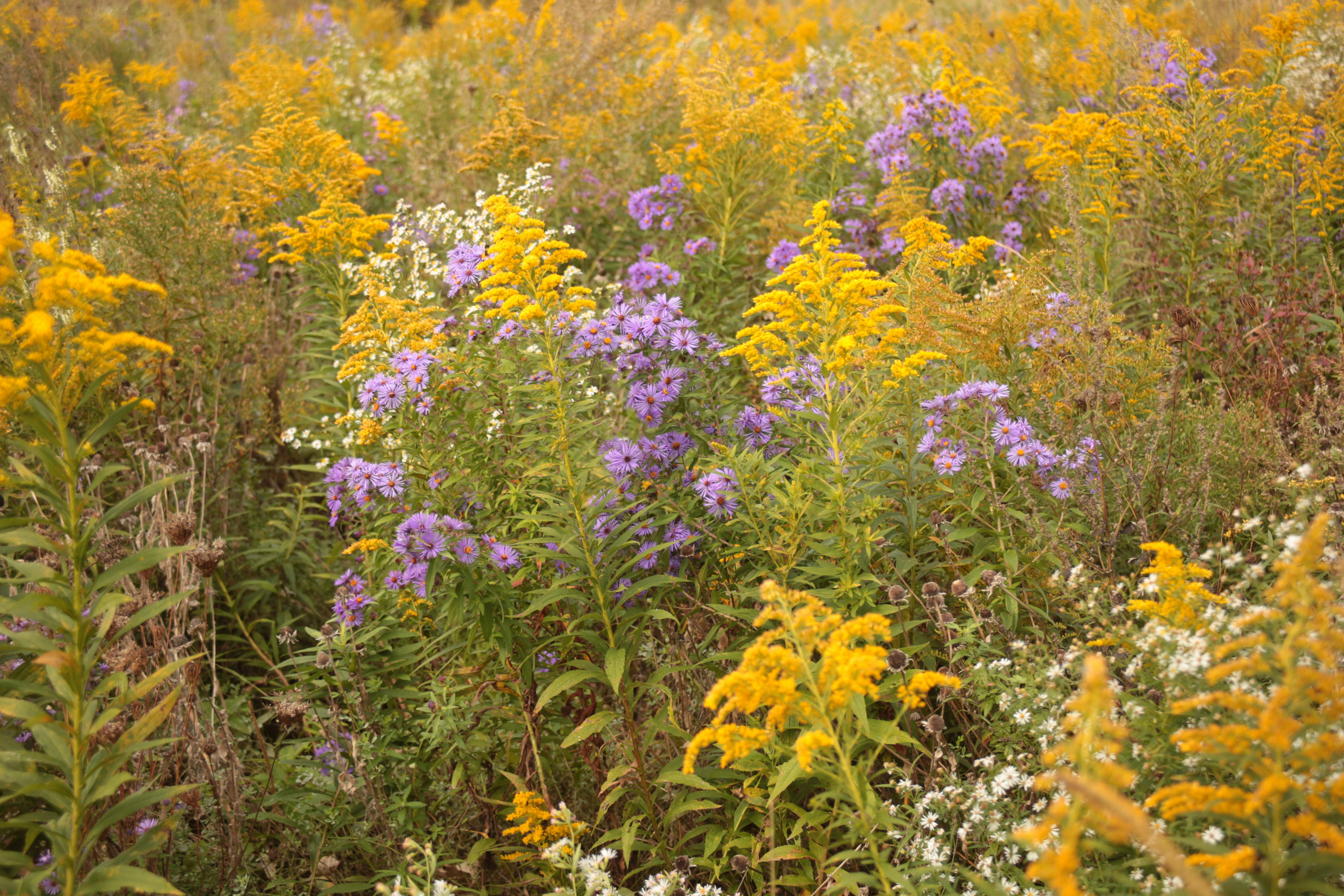
The gorgeous Fall Aster is a must-have for Texas fall gardens, a favorite perennial that blooms with dazzling purple or violet blooms from September through November. It offers excellent color late in the season and is a powerhouse pollinator plant for native bees, butterflies, and migrating monarchs that flock to its nectar late in the season. Rugged and low-maintenance, it thrives in full sun or part shade, handles heat and drought, and returns year after year with more blooms.
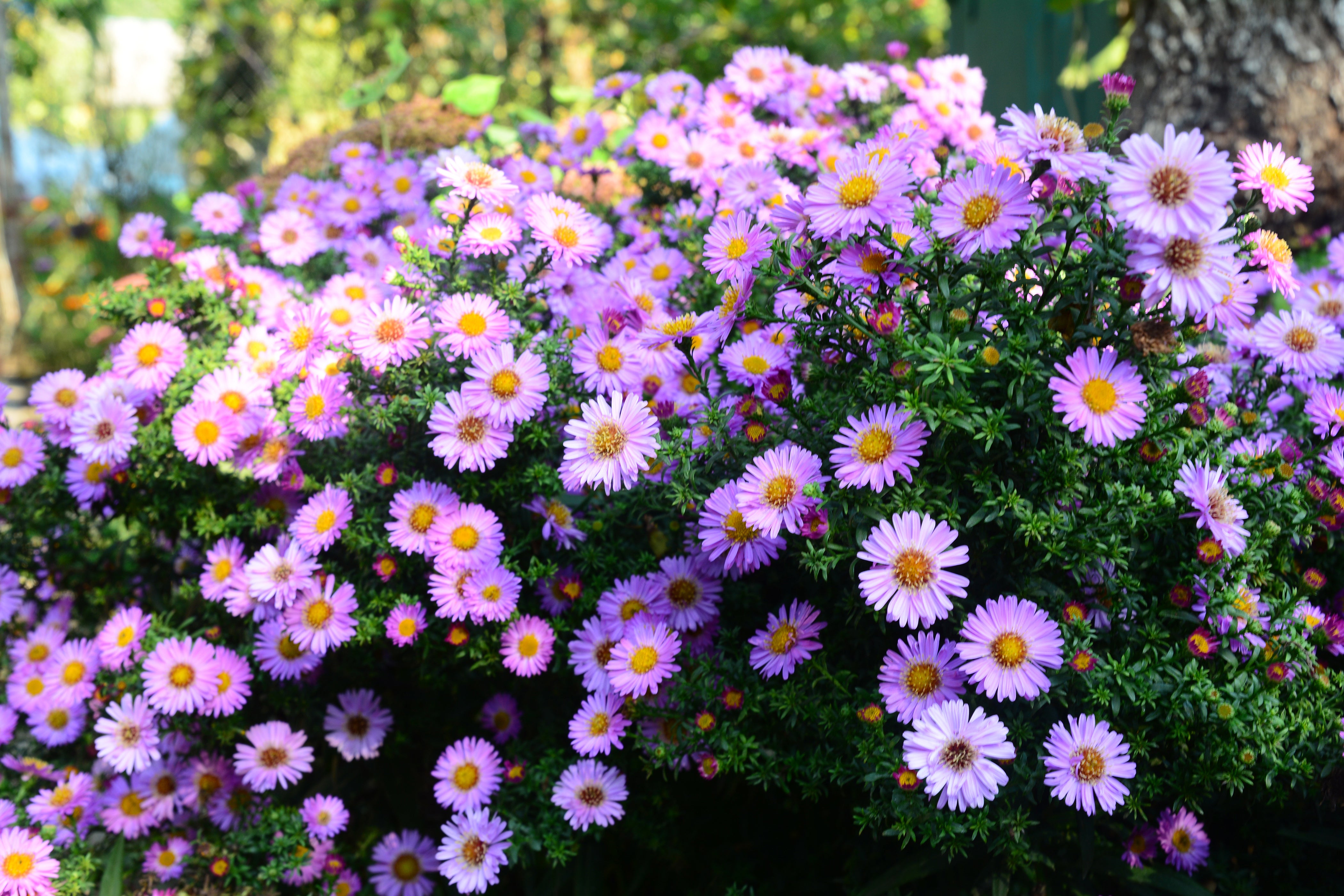
IMAGE: FALL ASTER is available now at Nativo Gardens!
Indian Blanket (Gaillardia pulchella)
Now, let’s add a long-blooming annual or short-lived perennial with fiery red-orange flowers to the mix! Indian Blanket or Blanketflower is one of the most underrated annuals you can plant in September. Its brilliant red-and-gold blooms look like tiny fireworks, adding bold color to fall gardens when summer plants are fading. This heat-loving Texas native thrives in full sun and on poor, sandy, or calcareous soils, requiring very little care once established. It will attract butterflies, native bees, and even serve as a larval host for the Gorgone Checkerspot and Bordered Patch butterflies. Plant it now, and you can enjoy blooms well into fall, and sometimes year-round if the weather stays warm. Plus, it readily reseeds, giving you a free show year after year.
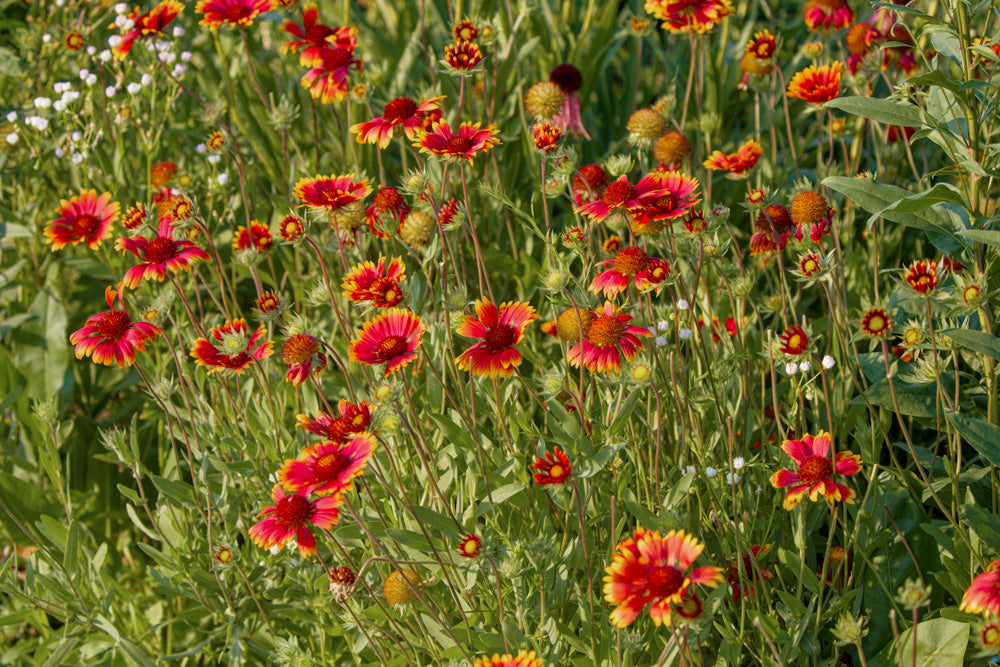
IMAGE: BLANKETFLOWER is available now at Nativo Gardens!
Fragrant Mistflower (Ageratina havanensis)
Fragrant Mistflower or Shrubby Boneset is another long-blooming Texas native perennial that keeps pollinators happy from spring through winter. This versatile shrub produces clouds of pinkish-white flowers from April to December, attracting butterflies, hummingbirds, and even night-flying moths, making it a valuable addition to any wildlife-friendly garden.
Growing 2–6 feet tall, it thrives in full sun to partial shade and adapts to a variety of soils, including sand, clay, loam, and rocky limestone, as well as drought conditions. A quick pruning in late winter keeps it compact and encourages more blooms next season!

IMAGE: FRAGRANT MISTFLOWER is available now at Nativo Gardens!
Lanceleaf Coreopsis (Coreopsis tinctoria)
Lanceleaf Coreopsis, or lanceleaf tickseed, is technically a perennial, but it’s not an especially long-lived perennial; it readily self-sows and can even become a little weedy in the right conditions. Still, this cheerful flower brightens the garden with its bright yellow, daisy-like blooms from spring through late summer. Even though the nectar will end in September, let it go to seed, and it will still provide wildlife values this fall. Growing 1–2 feet tall, it thrives in full sun in sandy or gravelly soils but will grow happily in loam or clay once established.

IMAGE: LANCELEAF COREOPSIS is available now at Nativo Gardens!
BlackFoot Daisy (Melampodium leucanthum)
Finally, the Blackfoot Daisy is a tough little perennial with a big personality. This low-growing Texas native forms a charming mound of white, honey-scented blooms that brighten up rock gardens, borders, and xeriscapes almost year-round. If your garden gets blazing sun and dry, rocky soil, Blackfoot Daisy will be right at home. It’s one of the most heat- and drought-tolerant perennials you can grow, requiring very little water or maintenance once established.
Pollinators and wildlife will thank you, too. Plant it in September to give your fall garden a boost and enjoy a burst of blooms from March well into November.
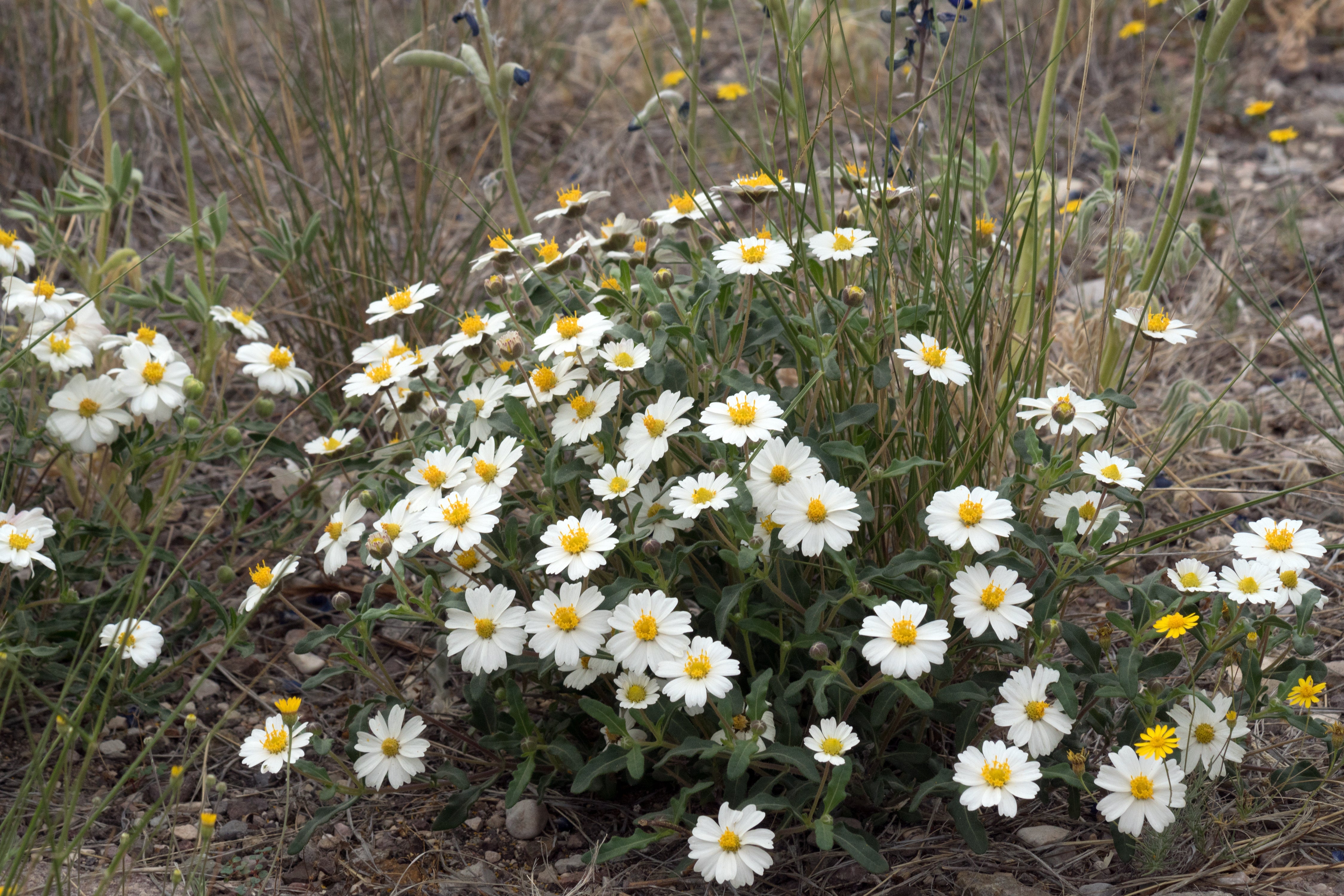
IMAGE: BLACKFOOT DAISY is available now at Nativo Gardens!
Explore Our Seed Collections
Still not sure what to plant? Why not explore our seed collections, designed explicitly for our different Texas ecoregions? These unique seed blends contain native plants that are sure to thrive in your area! Designed for various conditions, such as sun or shade, and diverse wildlife habitats, they are low-maintenance and perfect for attracting pollinators, creating a thriving, eco-friendly landscape with minimal effort.
How to Plant Native Annuals in September
September is the sweet spot for planting native annuals in Texas. The soil is still warm enough to encourage quick germination, but the cooler nights reduce stress on young seedlings, allowing them to grow fast and healthy. Loosen the top few inches of soil, rake it smooth, and scatter seeds or set out transplants according to their spacing needs. Lightly cover with soil; most native annuals need only a thin layer.
Watering Tips for Establishment
Water is key to getting your annuals off to a good start. After planting, give them a deep soak to settle the seeds or roots in place. For the first couple of weeks, keep the soil consistently moist, especially if you get a stretch of hot, dry fall weather. Once the seedlings are established, you can scale back to occasional deep watering, as native annuals are drought-tolerant once their roots are fully developed.
Sunlight and Shade Considerations in Fall
Most native annuals thrive in full sun, which means at least six hours of direct sunlight per day. However, fall’s lower sun angle and cooler temperatures mean you can plant in spots that might have been too hot or dry during summer for seedlings to emerge. Areas with morning sun and light afternoon shade are ideal, especially if you’re still seeing triple-digit temperatures early in September.
Combining Colors and Textures for Continuous Pollinator Blooms
Mixing native annuals with staggered bloom times will keep your garden buzzing until the first frost. Pair yellow cowpen daisies with the red-and-orange Indian blanket for a fiery display, or use coreopsis as a cheerful filler between late-blooming perennials. Adding grasses like little bluestem or sideoats grama provides textural contrast and movement, creating a more natural prairie-style look.
Also, native annuals shine brightest when paired with perennials that bloom in late summer and fall. Try Gregg’s mistflower or frostweed alongside your annuals to create layers of nectar sources. The annuals fill gaps quickly, while the perennials like fall aster return each year for a perfect partnership for a low-maintenance, pollinator-friendly garden.
Benefits Beyond Beautiful Blooms
Attracting Bees, Butterflies, and Hummingbirds
Native annuals are nectar powerhouses. Planting them in September provides a vital fuel source for monarch butterflies making their way to Mexico, for late-season native bees building their winter nests, and for migrating hummingbirds stocking up for their long flight south.
Providing Seeds and Cover for Winter Wildlife
Letting your annuals go to seed instead of deadheading them can be a gift to local wildlife. Finches, sparrows, and other small birds will flock to your garden for the seeds, while the dried stems offer winter shelter for overwintering beneficial insects.
Self-Seeding for Next Year’s Garden
One of the best perks of native annuals is their tendency to reseed. When you leave seed heads in place, they drop into the soil and start the cycle again for next spring. It’s an easy way to create a “set it and forget it” garden that grows more beautiful and abundant each year with minimal effort.
Final Thoughts: Keep Your Garden Blooming Into Fall
September is one of the most rewarding times to plant native annuals in Texas. These tough, colorful flowers brighten up tired summer beds but also play a crucial role in supporting pollinators and birds at a time when resources are becoming scarce. Whether you start small with cowpen daisy or go bold with Indian blanket, adding a few native annuals now means a thriving, resilient garden that comes back year after year with minimal effort. Your pollinators and your future self will thank you. Now, get out there and visit Nativo Gardens nursery today, and let’s get those fall flowers blooming!

Comments