
How Texas Gardens Fuel the Hummingbird Migration
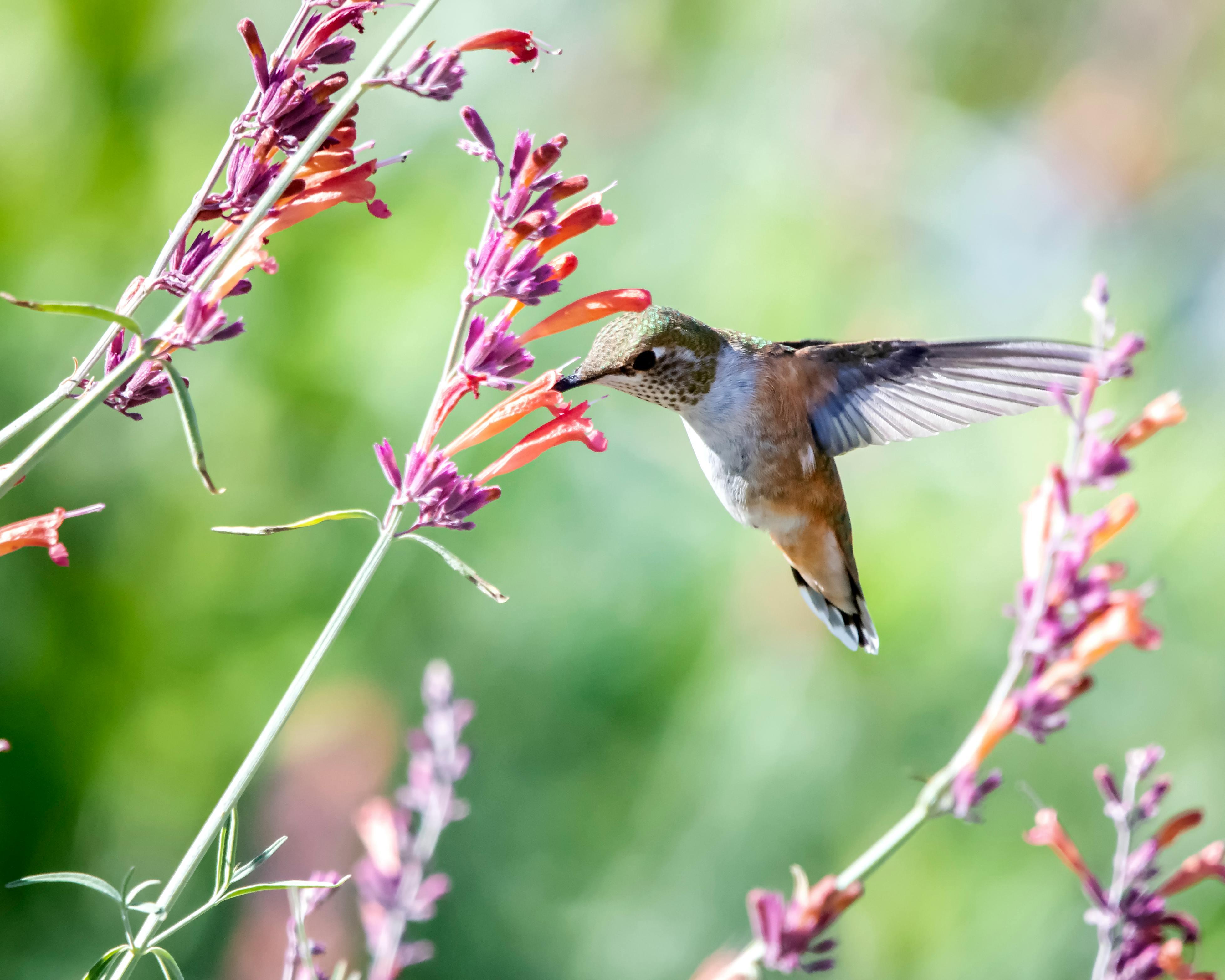
Every spring and fall, millions of hummingbirds pass through Texas on their long journey along the Central Flyway. For these tiny travellers, our gardens and wild landscapes provide critical stopovers filled with food, water, and shelter. By planting the right native plants, Texans can help sustain these remarkable migrations and turn ordinary yards into life-saving refuelling stations. Here’s how to choose the best native plants for nectar, create a hummingbird oasis, and make your garden part of the journey that keeps these birds flying strong.
Texas on the Central Flyway
The Central Flyway is a critical hummingbird migration corridor stretching from Canada through the heart of the United States into Mexico and Central America. Texas is one of the most important stopovers on this route. Its size, diverse habitats, and abundance of flowering plants provide essential refueling stations for these tiny travellers on their journey.
Hummingbirds typically pass through Texas twice each year. First, they head north in the spring to reach their breeding grounds. Then, they return south in the fall to spend the winter in warmer climates. Both journeys are physically demanding, and the birds rely heavily on finding nectar-rich blooms to replenish their energy.
For many hummingbirds, Texas is the last or first landfall before and after crossing long, challenging stretches through the Gulf of Mexico in fall or the dry landscapes to the north in spring. A reliable patch of flowers in a Texas garden can mean the difference between a bird arriving strong or struggling to survive the next leg of its journey.
Why Native Plants Make a Difference
Not all flowers are created equal when it comes to feeding hummingbirds. While many ornamental plants sold in garden centres look beautiful, they often fall short as a food source. Many are bred for showy petals and color, producing little to no nectar or creating unusual blooms that are hard for hummingbirds to use or don’t flower at the right time.
Native plants, on the other hand, evolved alongside our native hummingbirds. Their flowers are rich in nectar and naturally shaped for their long beaks and tongues, with many native plants co-evolving with specific hummingbirds. Just as importantly, they bloom at precisely the right times to provide essential energy in spring when birds are heading north to breed, and again in fall when they’re building reserves for the long flight back south to their winter homes. By planting native nectar plants, Texas gardeners help ensure hummingbirds find the fuel they need when they need it most.
Finally, a quick note on hummingbird feeders. Native nectar plants are always the best choice because they provide complete nutrition, including small insects not present in feeders, and they offer habitat and ecosystem support. Hummingbird feeders should only be used as a supplemental food source, or not at all. They should never contain dyes or additives; only sugar water. They also must be meticulously cleaned 2-4 times weekly to prevent the spread of serious diseases.
Nectar-Rich Plants for Fall Migration
Turk’s Cap (Malvaviscus arboreus var. drummondii)
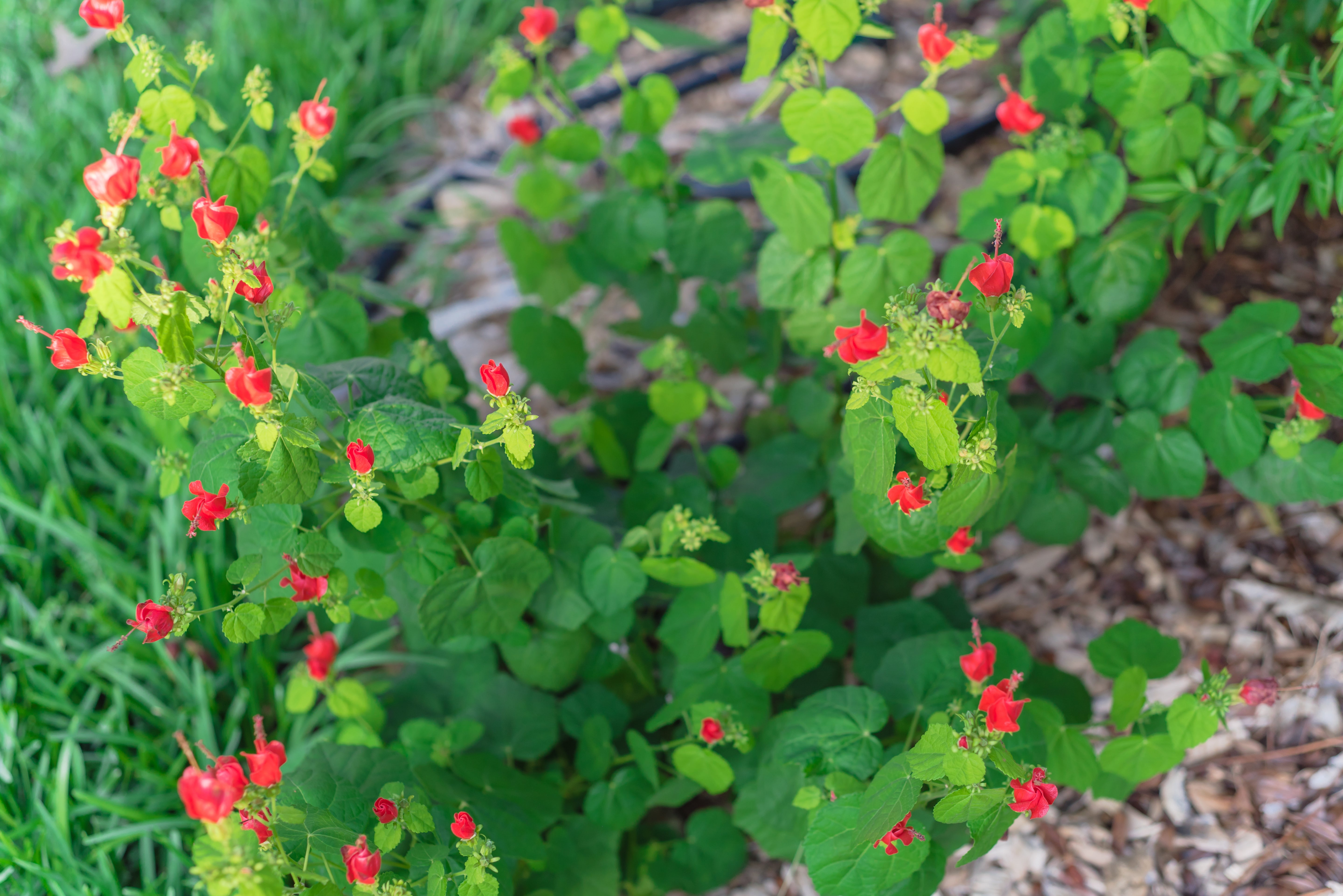
Image: TURK’S CAP is available now at Nativo Gardens!
Few native plants are as dependable for hummingbirds as Turk’s Cap. This hardy Texas shrub produces distinctive red blooms that never fully open, giving them a turban-like shape that’s perfectly designed for hummingbirds. They offer a steady supply of nectar from May to November when migrating birds need the extra fuel.
Turk’s Cap thrives in part to full shade, tolerates drought, heavy soils, and requires very little maintenance once established. It also attracts butterflies and bees, as well as birds and small mammals, who love the bright berries in the fall.
Fall Obedient Plant (Physostegia virginiana)
The Fall Obedient Plant is a tall, elegant perennial that adds color and charm to Texas gardens. Blooming from August to November, it produces spikes of pink to lavender tubular flowers that make an irresistible nectar source for migrating hummingbirds stocking up for their long journey south. Butterflies also flock to its blooms, making it a pollinator favourite.
Fall Obedient Plant thrives in a wide range of conditions, from full sun to shade, preferring moist, rich soils, although, once established, it can tolerate periods of drought as well as heavier, poorly drained areas. 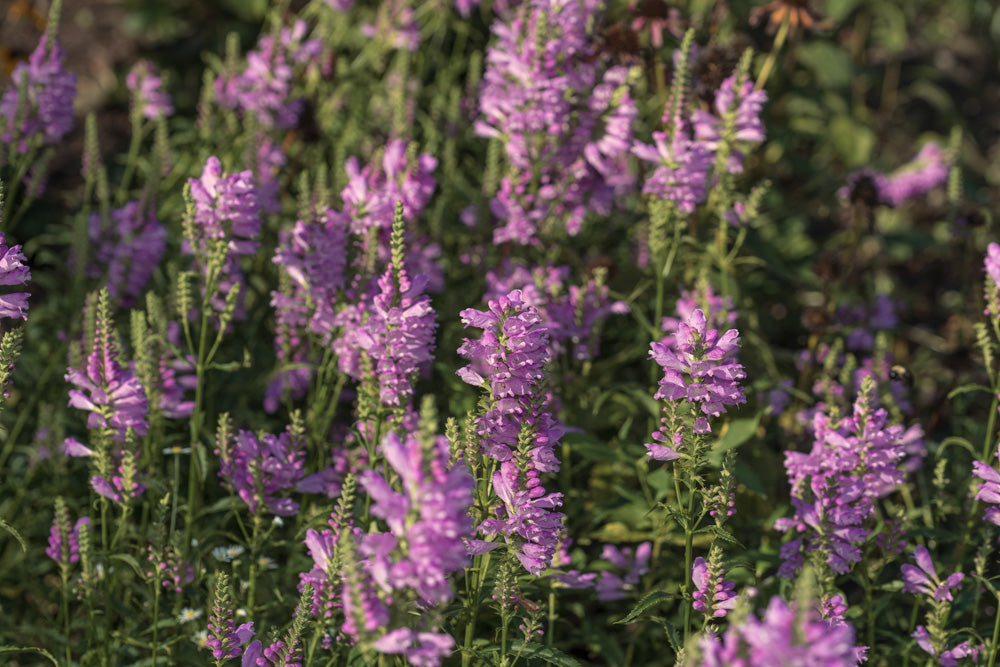
Image: FALL OBEDIENT PLANT is available now at Nativo Gardens!
Flame Acanthus (Anisacanthus quadrifidus var. wrightii)
If there’s one plant that seems made for hummingbirds, it’s Flame Acanthus. From June through November, this Texas native bursts into fiery red-orange, tubular, nectar-rich blooms perfectly shaped for long beaks and tongues, acting like beacons to migrating hummingbirds. Butterflies are frequent visitors too, both for the nectar and as a larval host, making this shrub a pollinator powerhouse.
True to its name, Flame Acanthus thrives in the heat. It loves full sun, tolerates light shade, and adapts easily to rocky soils, caliche, or even compacted urban ground. Drought doesn’t faze it, and though it may die back in winter, it reemerges each spring. 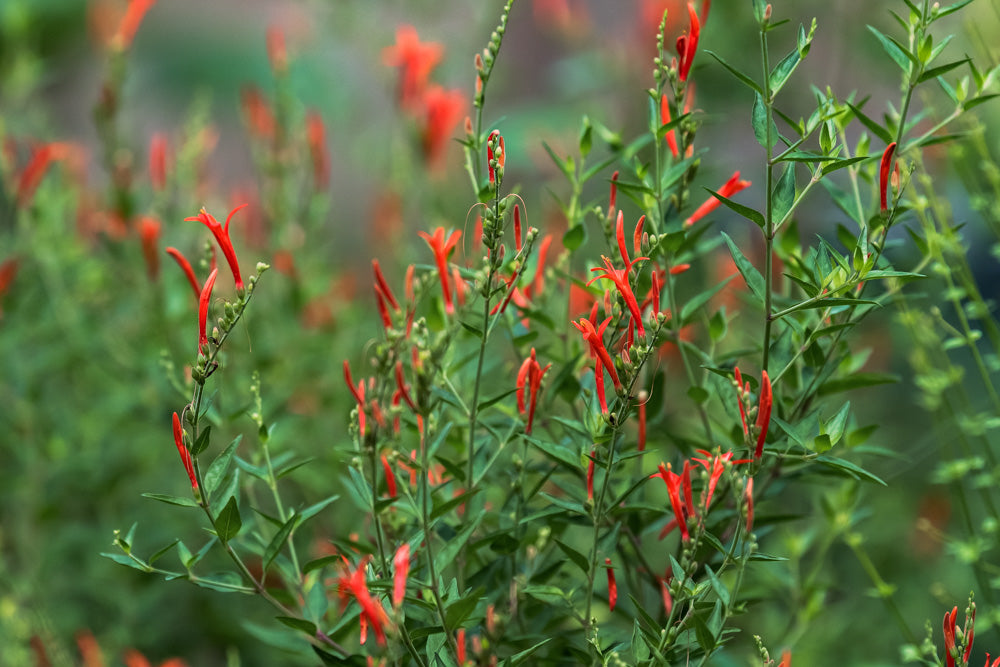
Image: FLAME ACANTHUS is available now at Nativo Gardens!
Salvia ‘Bicolor’ (Salvia sinaloensis)
Salvia ‘Bicolor’ or Sinaloan Blue Sage brings deep blue-violet blooms that hummingbirds can’t resist from late spring through fall. Its compact growth habit makes it perfect for garden borders, containers, or filling in smaller spaces, while still delivering abundant nectar to migrating hummingbirds and other local pollinators.
This perennial sage is as versatile as it is beautiful. It grows well in full sun or shade, and its aromatic, lance-shaped leaves often take on a bronze-purple tint when grown in bright light. 
Image: SALVIA BICOLOR is available now at Nativo Gardens!
Yellow Bells ‘Sangria’ (Tecoma stans ‘Sangria’)
Few plants light up a Texas garden like Yellow Bells ‘Sangria.’ From April through November, this deciduous shrub puts on a brilliant display of golden, trumpet-shaped flowers that are tailor-made for hummingbirds. The long bloom season provides a reliable nectar source during both spring and fall migrations, when hummingbirds are most in need of fuel. Butterflies and other pollinators flock to it as well, making it a lively centerpiece in any pollinator garden.
Native to South Texas, Yellow Bells thrives in hot, dry conditions that might challenge other plants. It performs best in full sun with well-drained rocky, sandy, or limestone-based soils and thrives with little water once established. 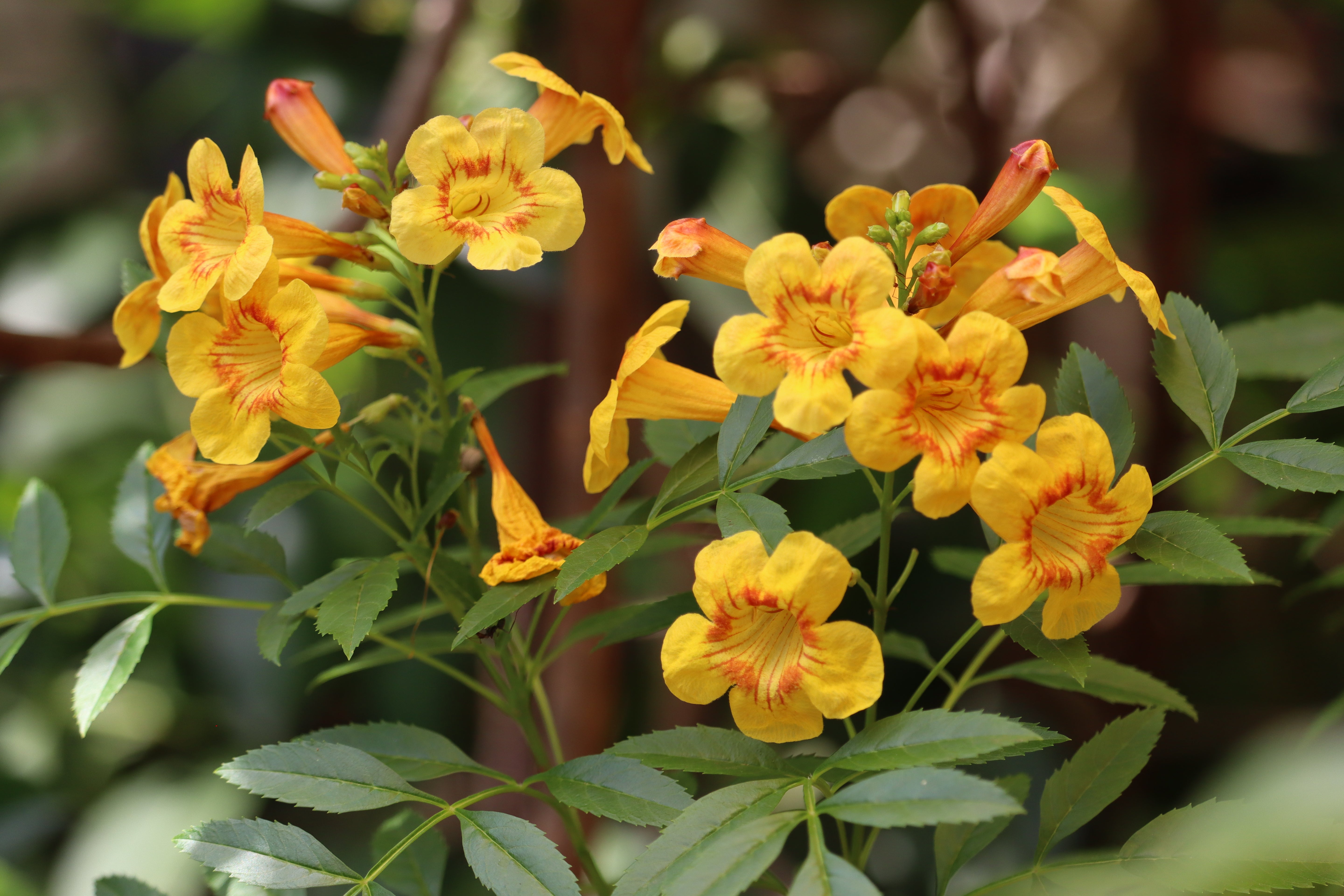
Image: YELLOW BELLS ‘SANGRIA’ is available now at Nativo Gardens!
Creating a Hummingbird Oasis in Your Garden
While native plants are crucial, there is more to supporting hummingbirds than planting nectar plants. It’s also about creating a welcoming stopover where the birds can find water and shelter. Here are a few quick tips to create a hummingbird oasis in your garden.
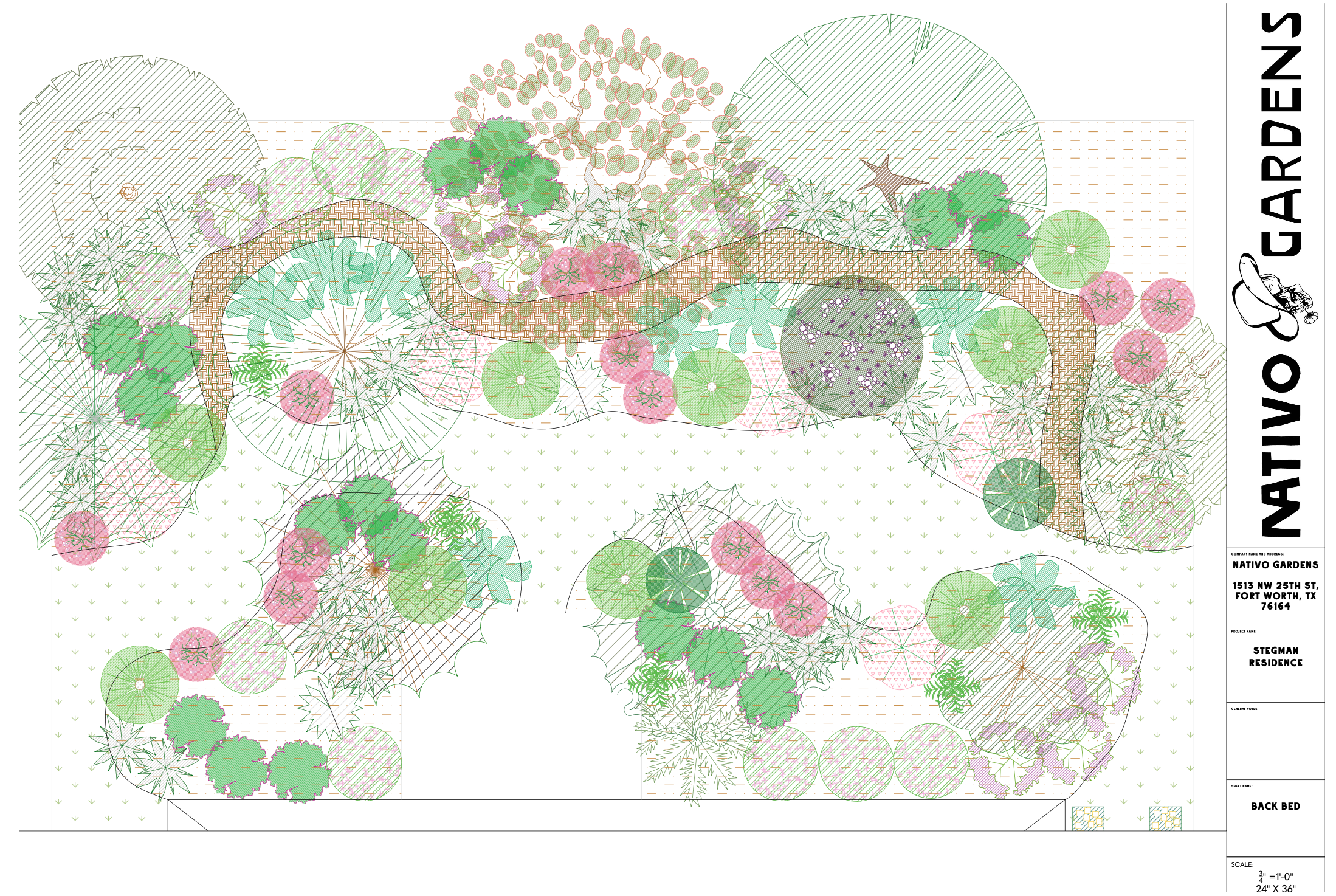
First, create groupings of native plants rather than scattering them around, as this makes it easier for the birds to spot good food sources from the air and know the stop will be worthwhile. Also, consider timing and variety. Choose staggered bloom times with flowers of different colors and different shapes to appeal to a variety of hummingbirds at different times.
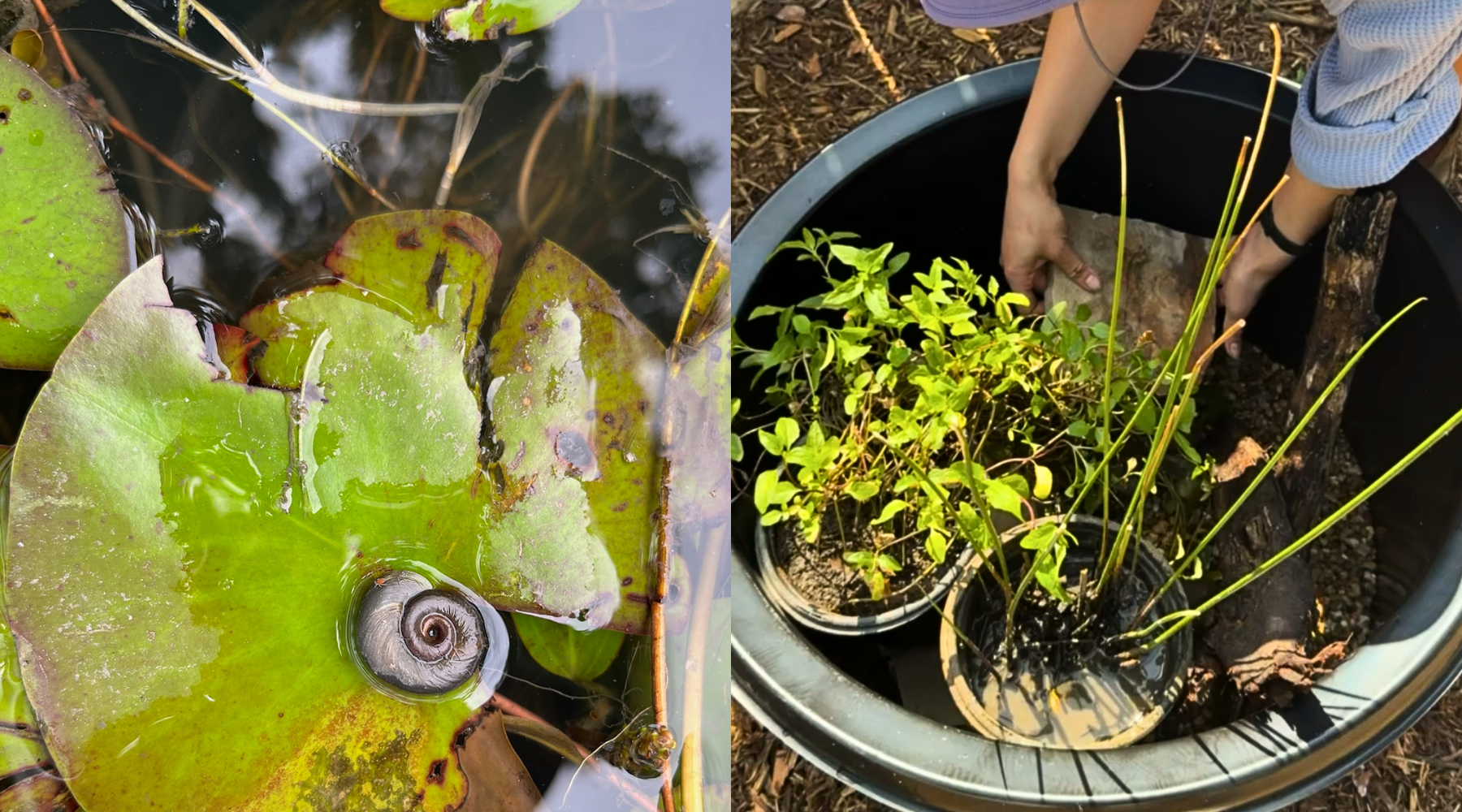
Next, you need a source of water. Hummingbirds prefer shallow water sources, such as a mister, dropper, or shallow fountain, rather than the deeper dishes many songbirds prefer.
Finally, shelter is equally as critical. This means small native trees and dense shrubs where the birds can find safe perches and cover to hide from potential predators. Plant your nectar plants near trees and shrubs, supply some water, and together, these elements will help turn an ordinary yard into a hummingbird oasis, helping these tiny travellers thrive on their long migrations.
Supporting the Journey, One Yard at a Time
While your single yard might feel small and inconsequential, remember the vast distances that these hummingbirds must travel. Your yard is an oasis on that journey, and when you add up all the gardens across Texas offering these oases, then each patch of native plants, shelter, and essential water provides the energy those birds need to make it to the next stretch of their journey.
When we all contribute in this way, we provide a safety net, ensuring these tiny birds have the strength they need to journey thousands of miles. You’re not just growing a garden, you’re sustaining a migration and helping a species survive, one bird, one native plant at a time.
Where to Find the Right Plants
If you’re ready to make your garden part of the hummingbird migration story, the right plants are closer than you think. Stop by Nativo Gardens, where we specialize in Texas native plants that are tried-and-true nectar sources that align perfectly with the birds needs.
Our staff can help you choose the best plants for your space and show you how to combine bloom times for continuous color and nectar throughout the year to provide hummingbirds with the fuel they need to continue their remarkable journey.

Comments