
Designing with Layers: Building a Native Landscape from Groundcover to Canopy
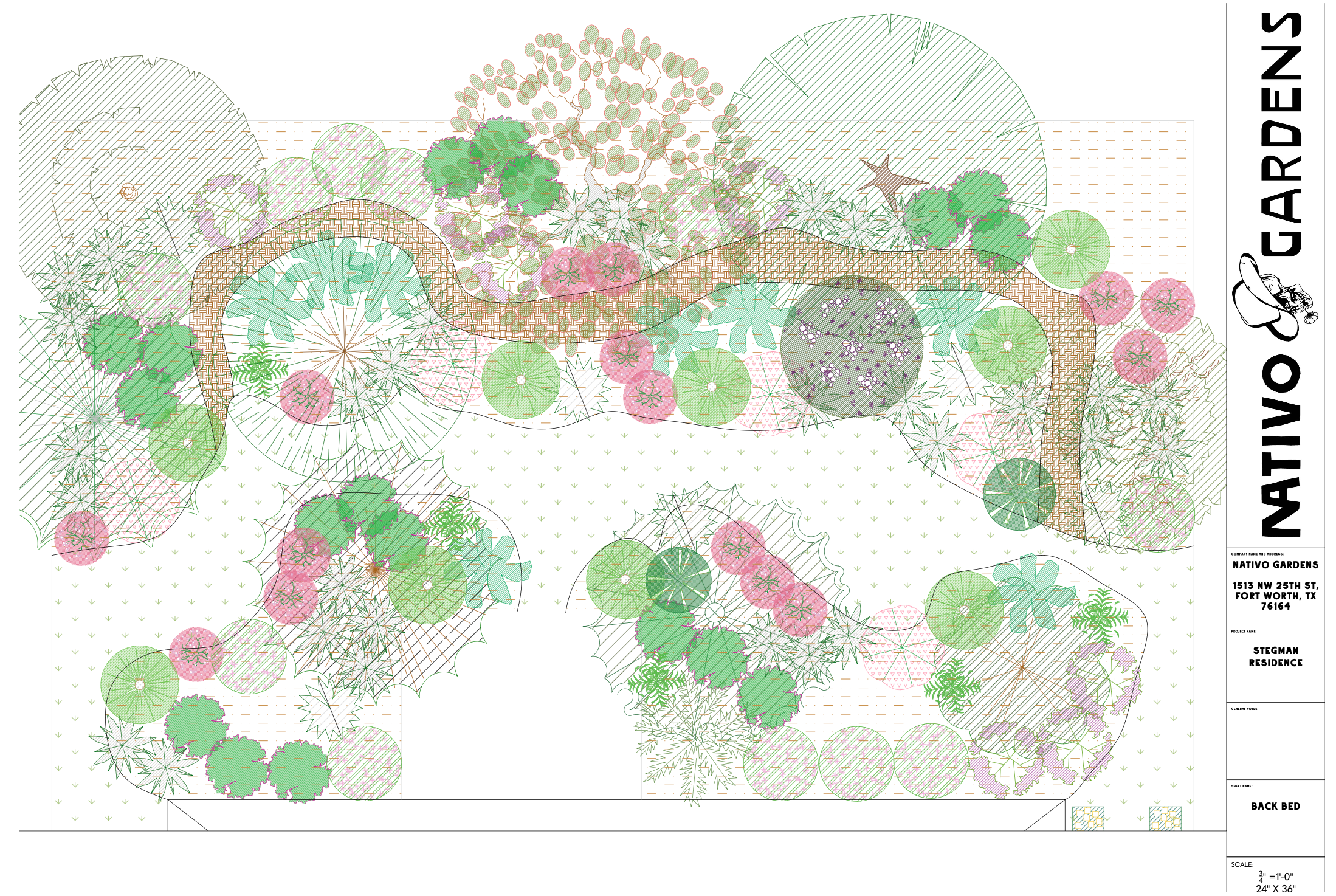
Designing a garden with layers is about creating a living, thriving ecosystem. By mimicking the natural vertical structure of Texas woodlands and prairies, you can support pollinators, wildlife, soil health, and plant diversity while reducing maintenance and cons
In this guide, we’ll explore each layer of a native landscape from groundcovers and herbaceous plants to the midstory shrubs and canopy trees. Then, we will show how they work together to create a beautiful garden that’s functional, resilient, and full of life.
Introduction to Layered Design
You might be wondering why designing with layers matters, so let’s look to lessons from the wild.
Nature’s Architecture: Lessons from the Wild
If you walk through a Texas woodland, you’ll notice a pattern. There will be trees and tall shrubs reaching for sunlight in the canopy above, shade-tolerant shrubs filling the mid-levels, followed by native grasses and wildflowers, and finally low groundcovers protecting the soil below.
This layered structure isn’t random; it’s how nature organizes itself. Each layer has a job. Trees cast shade and create cooler microclimates for the vegetation below. Shrubs provide food and shelter for wildlife, filling the mid-layers, and herbaceous plants provide habitat for beneficial insects while also enriching the soil and protecting soil-dwelling organisms with the groundcovers.
Together, these layers form a living architecture that captures rainfall, reduces erosion, and supports biodiversity. By creating nature-inspired gardens in our own yards, we can design sustainable landscapes that offer lasting benefits for both people and wildlife, while also requiring fewer resources to maintain.
The Ground Layer
Starting from the Ground Up: The Living Foundation
Every great garden begins with good soil. In nature, bare ground is rare because it’s usually filled by something growing. Think of this layer as the quiet workhorse of your native garden, holding everything together. It’s your living foundation, anchoring and enriching the soil, retaining moisture, and preventing erosion.
Native groundcovers are adapted to local climates, thriving with little care once established. They knit the soil together, provide cover for beneficial insects, and add seasonal color and texture. Many form dense mats that handle full sun and foot traffic, while also reducing weeds, making them excellent sustainable alternatives to turf.
Native Groundcovers To Anchor Your Design
Silver Ponyfoot (Dichondra argentea)
Silver Ponyfoot is a native groundcover prized for its soft, silvery foliage that seems to shimmer in the Texas sun. This low, spreading perennial forms a dense mat that works beautifully to fill open spaces, trail over stone borders, or soften the edges of garden paths. Well-suited to Texas, it handles drought with ease and grows happily in full sun or partial shade. Once established, it needs little attention, helping to hold soil in place and prevent erosion while adding a cool, graceful texture to the landscape.
 Image: SILVER PONYFOOT is available now at Nativo Gardens!
Missouri Violet (Viola sororia)
The lovely Missouri Violet brings a burst of spring color to any layered landscape design, thriving in shady garden spaces. This hardy native forms a lush perennial groundcover of glossy, heart-shaped edible leaves topped with vivid purple blooms that support pollinators and wildlife and later provide seeds for birds. This makes it an excellent choice for gardeners seeking both beauty and wildlife values in a native Texas layered landscape.  Image: MISSOURI VIOLET is available now at Nativo Gardens!
The Herbaceous Layer (Forbs and Grasses)
Color, Texture, and Motion: Where Pollinators Thrive
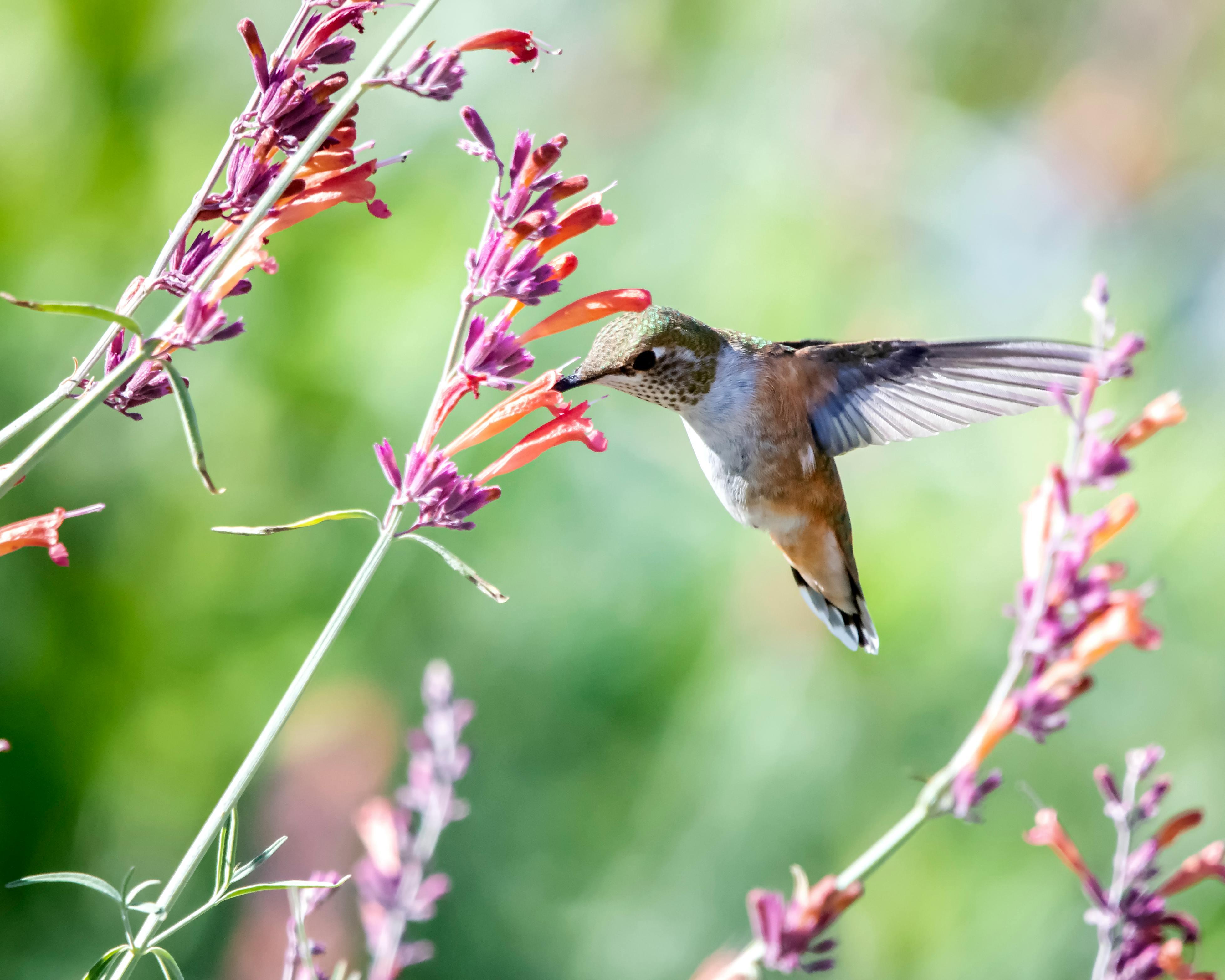
The herbaceous layer brings a garden to life with wildflowers and native grasses adding colour, texture, and movement throughout the seasons. This layer fills the spaces between shrubs and trees, tying the landscape together. Wildflowers draw in bees, butterflies, and hummingbirds, while grasses offer nesting material, shelter, and structure for wildlife. By combining species that bloom and seed at different times of year, you can create a landscape that’s always changing, looking beautiful, and supporting life from early spring through the depths of winter.
Together, the herbaceous layer forms a vibrant, living matrix that supports biodiversity above and below ground. Their deep root systems improve soil health and the soil biome, reduce erosion, and increase water infiltration, making your garden more resilient through Texas’s droughts and heavy rains alike.
Forbs and Grasses: Filling the Space Between
Turk’s Cap (Malvaviscus arboreus var. drummondii)
A Texas favorite for any shaded garden, Turk’s Cap delivers vivid color and wildlife values to the herbaceous layer. Its distinctive red blooms, shaped like tiny turbans, appear from late spring through fall, providing a continuous nectar source for hummingbirds, butterflies, and native bees. Reaching up to five feet tall and wide, it adds structure and texture beneath taller shrubs and trees, bridging the gap between the ground and canopy layers. Its small, edible apple-flavored fruits are loved by birds and small mammals for additional wildlife values. 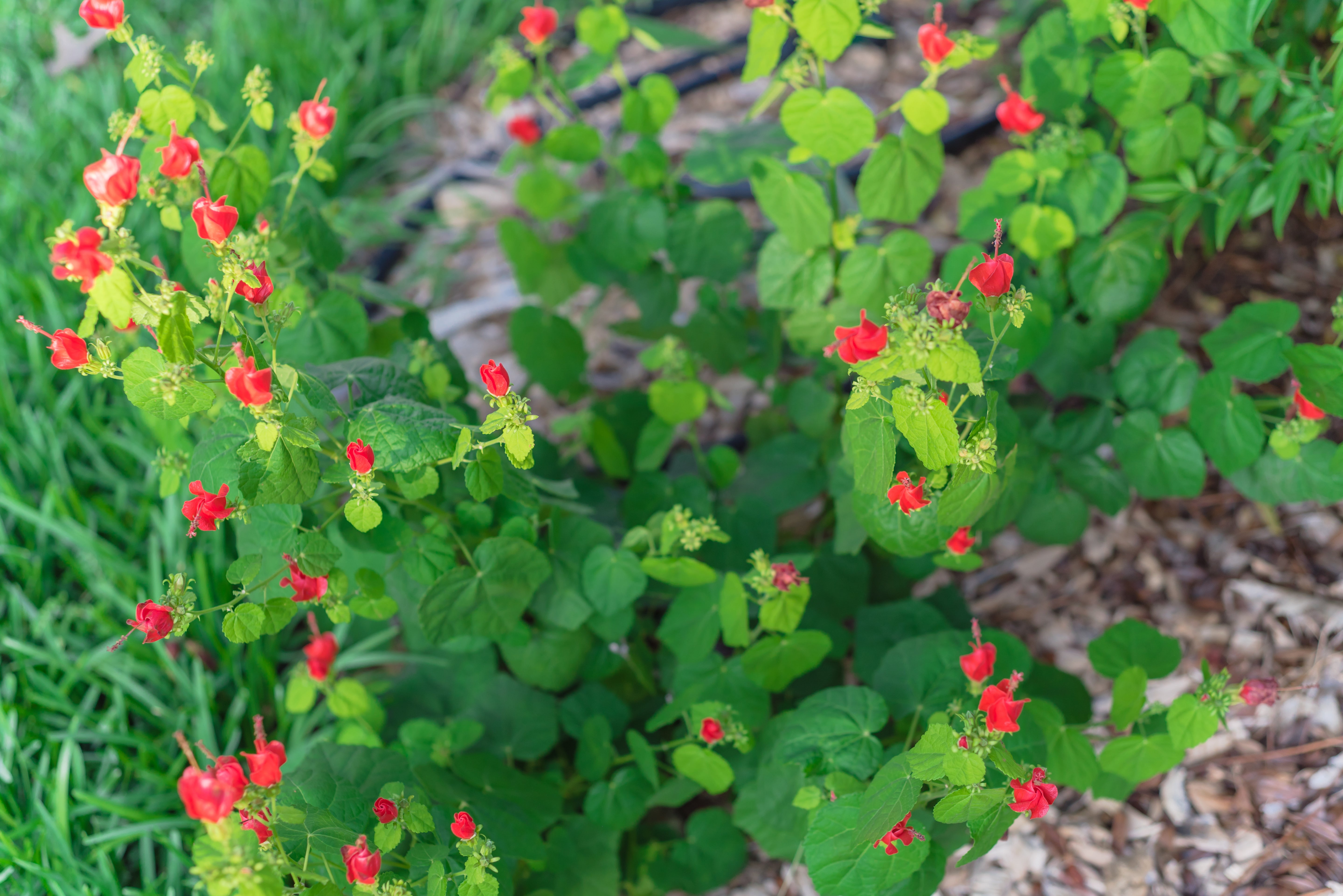 Image: TURK’S CAP is available now at Nativo Gardens!
Inland Sea Oats (Chasmanthium latifolium)
Inland Sea Oats is a graceful native grass that brings texture and seasonal beauty to the shaded layers with its distinctive, drooping seedheads resembling oats swaying in the breeze. This clump-forming perennial thrives in moist, well-drained soils and partial to full shade, providing excellent erosion control along slopes and streambanks. It provides shelter and nesting materials, enriching biodiversity and serving as a critical larval host for several native skippers, adding to the wildlife values in your layered landscape. 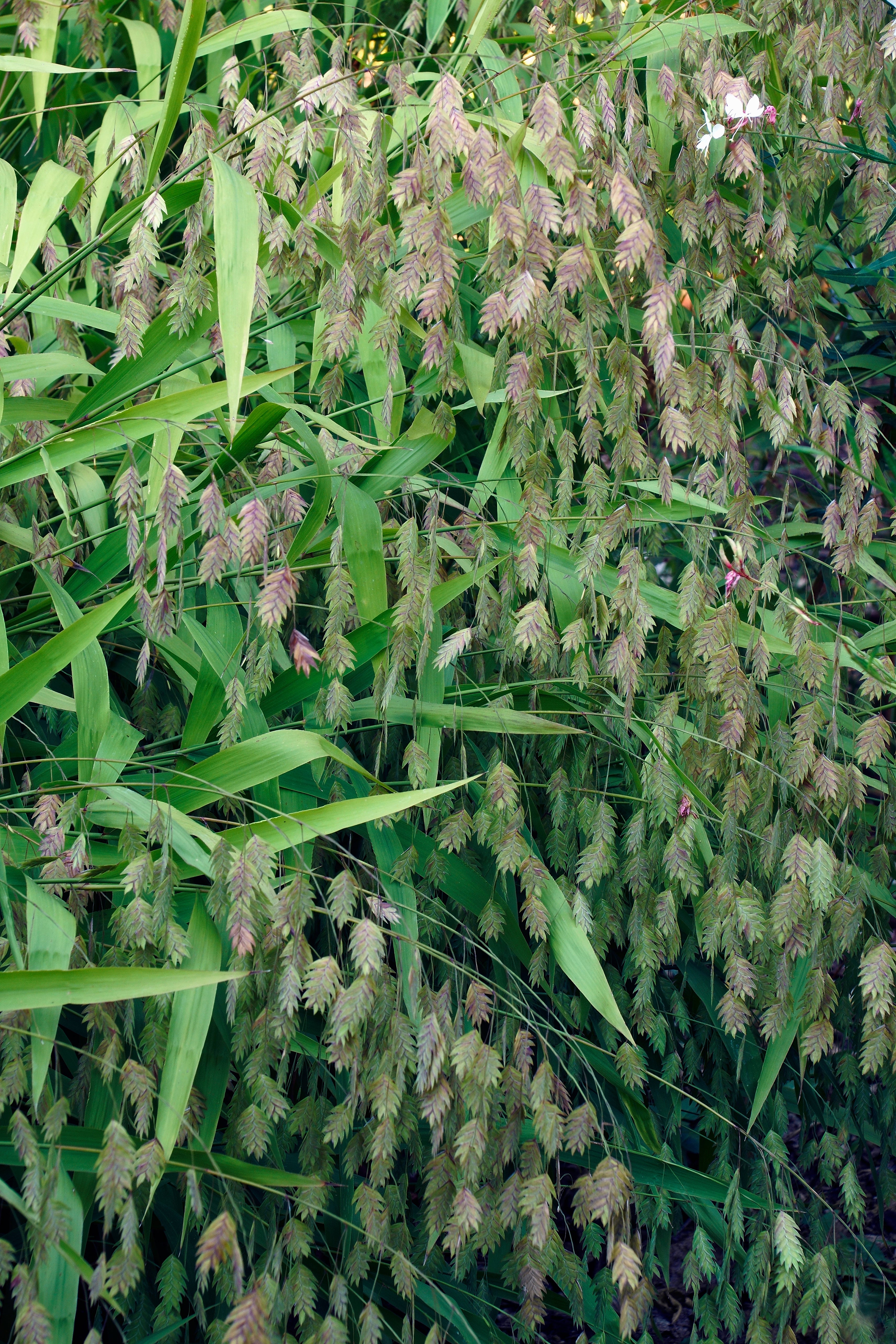
Image: INLAND SEA OATS is available now at Nativo Gardens!
The Shrub Layer
Structure and Shelter: Shrubs Bring Life to the Midstory
The shrub layer is the backbone of a thriving native landscape. Sitting between the herbaceous plants below and the tree canopy above, shrubs add structure, depth, and year-round interest. In the wild, this layer offers critical cover for songbirds, giving them places to nest, rest, and find food throughout the seasons.
Shrubs serve as the bridge between tall trees and ground-level plants, helping to balance temperature, hold in soil moisture, and provide protection from wind. When you weave shrubs thoughtfully through your design, they create a lively connection that links the canopy above with lower layers, bringing the landscape together as one thriving ecosystem.
Native Shrubs That Feed and Protect
American Beautyberry (Callicarpa americana)
American Beautyberry is a vibrant, fast-growing native shrub that brings beauty and wildlife value to the midstory of a layered Texas garden. In late spring and early summer, it produces delicate clusters of pink flowers that support pollinators and later transform into strikingly beautiful purple berries that provide visual interest and an excellent food source for birds and small mammals. Reaching 4 to 6 feet tall, its deciduous foliage thrives in partial shade, ideal for adding structure and seasonal interest to layered woodlands and shaded gardens. 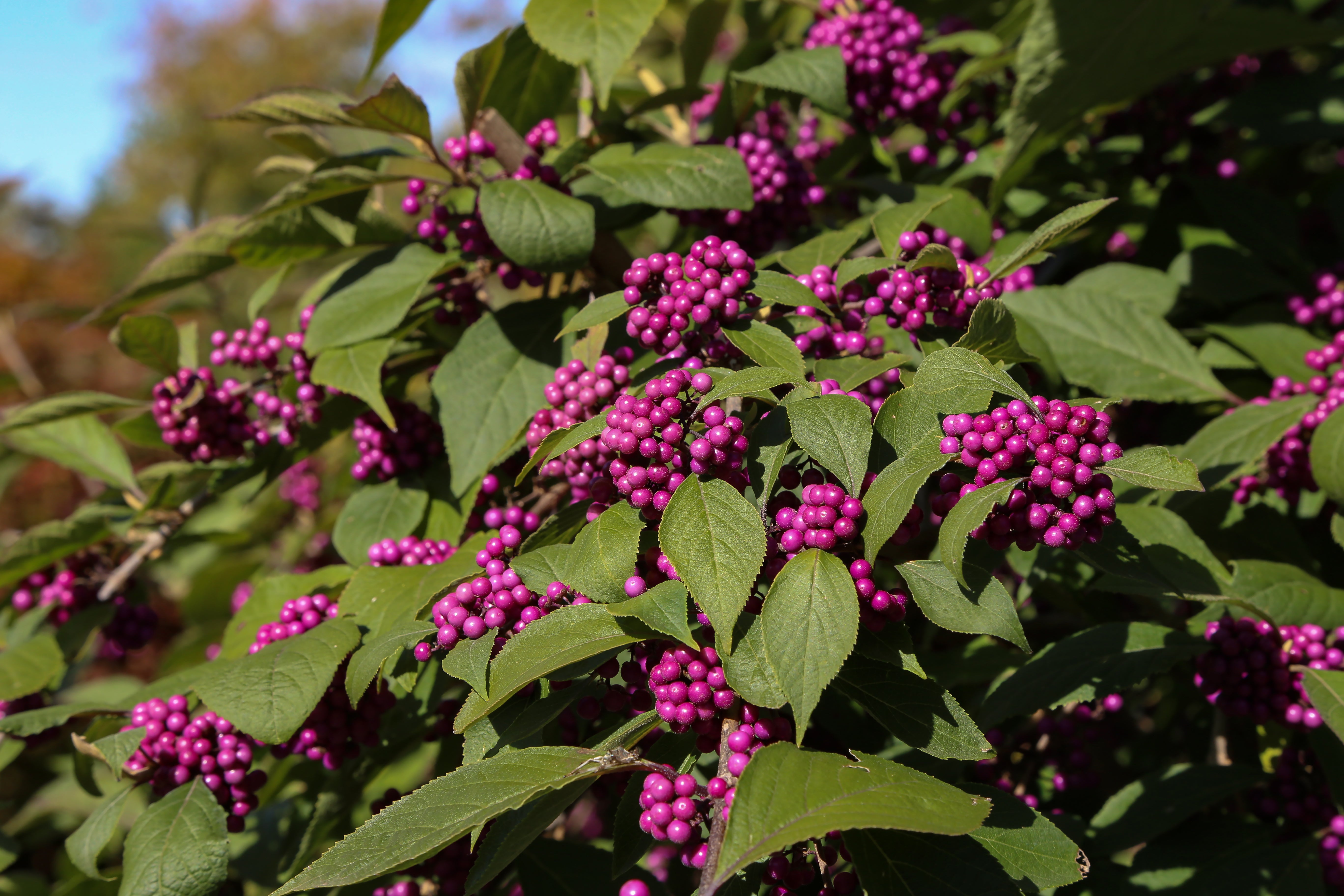 Image: AMERICAN BEAUTYBERRY is available now at Nativo Gardens!
Fragrant Sumac (Rhus aromatica)
Fragrant Sumac is a hardy, spreading native shrub that adds structure, color, and ecological value to the midstory of a layered Texas landscape. Its aromatic leaves create a lush, textured backdrop, while its red berries provide a vital food source for birds and small mammals through fall and winter. In spring, its inconspicuous flowers attract pollinators, and it serves as a host plant for the Red-banded Hairstreak butterfly. Well-suited to dry, rocky soils, it thrives in full sun to partial shade and requires minimal water once established, making it a low-maintenance choice for a dry, layered landscape with year-round wildlife values.  Image: FRAGRANT SUMAC is available now at Nativo Gardens!
The Canopy Layer
From Shade to Shelter: Trees as the Final Layer
The canopy layer is the crown jewel of a layered native landscape, providing structure, shade, and vital habitat for wildlife. Native trees don’t just top off a landscape; they form the uppermost layer where they influence light, temperature, and moisture for the layers below. They create microclimates that protect understory plants, reduce soil erosion, and moderate the effects of Texas’s hot summers, while their roots stabilize the soil and improve water infiltration.
Their leaves, flowers, and seeds provide food for birds, insects, and mammals, while cavities and branches offer nesting sites and shelter. By thoughtfully placing native trees in your design, you can guide sunlight, create shade, conserve water, provide long-term beauty, support native wildlife, and enhance the resilience of your entire garden for generations to come.
The Crowning Layer: Trees That Bring Life and Shelter
Live Oak (Quercus virginiana)
Live Oak is an iconic Texas canopy tree with broad, arching branches spreading 60-100 feet wide and reaching 40-80 feet tall with semi-evergreen leaves. Perfect for layered native landscapes, tying together the ground, herbaceous, and shrub layers beneath, this majestic tree provides deep shade, shelter, and habitat for birds, small mammals, and pollinators. It’s also a critical larval host for several native butterflies, while its small, dark acorns offer a vital food source for wildlife throughout the year. 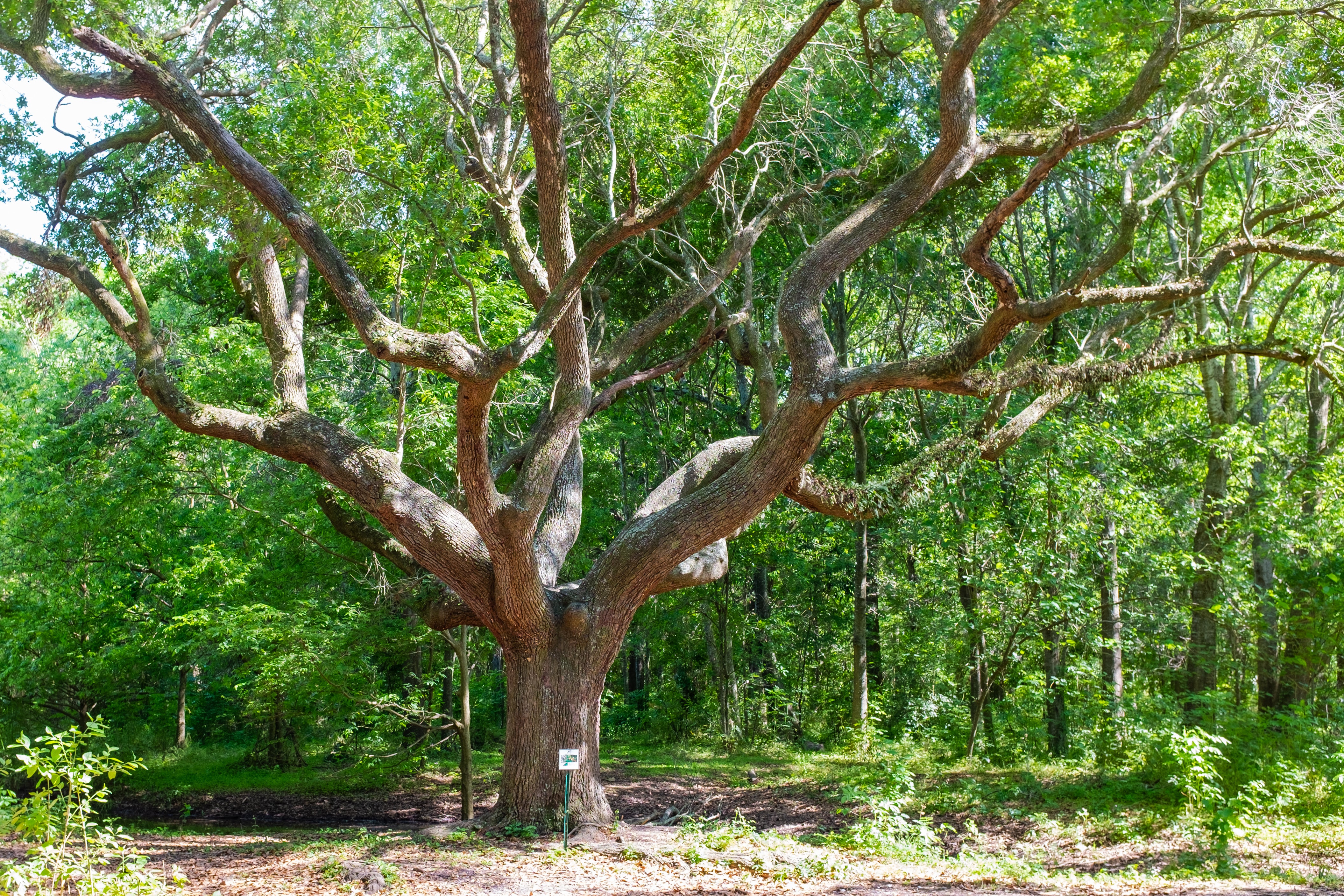 Image: LIVE OAK is available now at Nativo Gardens!
Roughleaf Dogwood (Cornus drummondii)
Roughleaf Dogwood is a versatile small tree that connects the midstory and canopy layers, bringing year-round shelter, cover, and habitat values to the lower canopy of a layered native landscape. Thriving in part to full shade and adaptable to dry to moist, alkaline soils, it performs well along lake edges, limestone hills, and naturalized settings, controlling erosion with its roots. In spring, its creamy-yellow blooms attract pollinators, while the white fruits provide late summer and fall food for birds and small mammals. The rough, dark green leaves offer texture in the growing season, turning striking purplish-red for seasonal color in the fall. 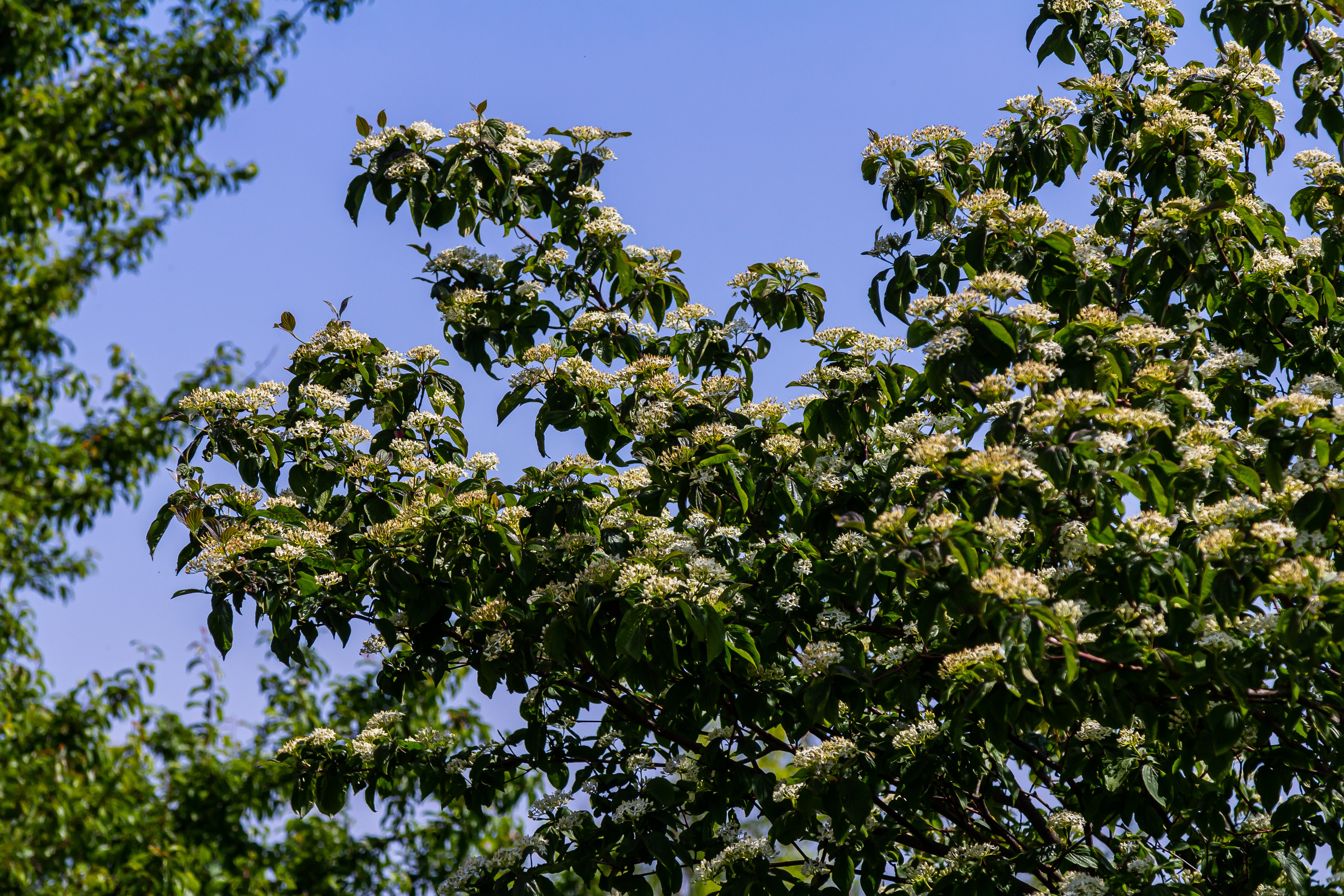 Image: ROUGHLEAF DOGWOOD is available now at Nativo Gardens!
Bringing it All Together
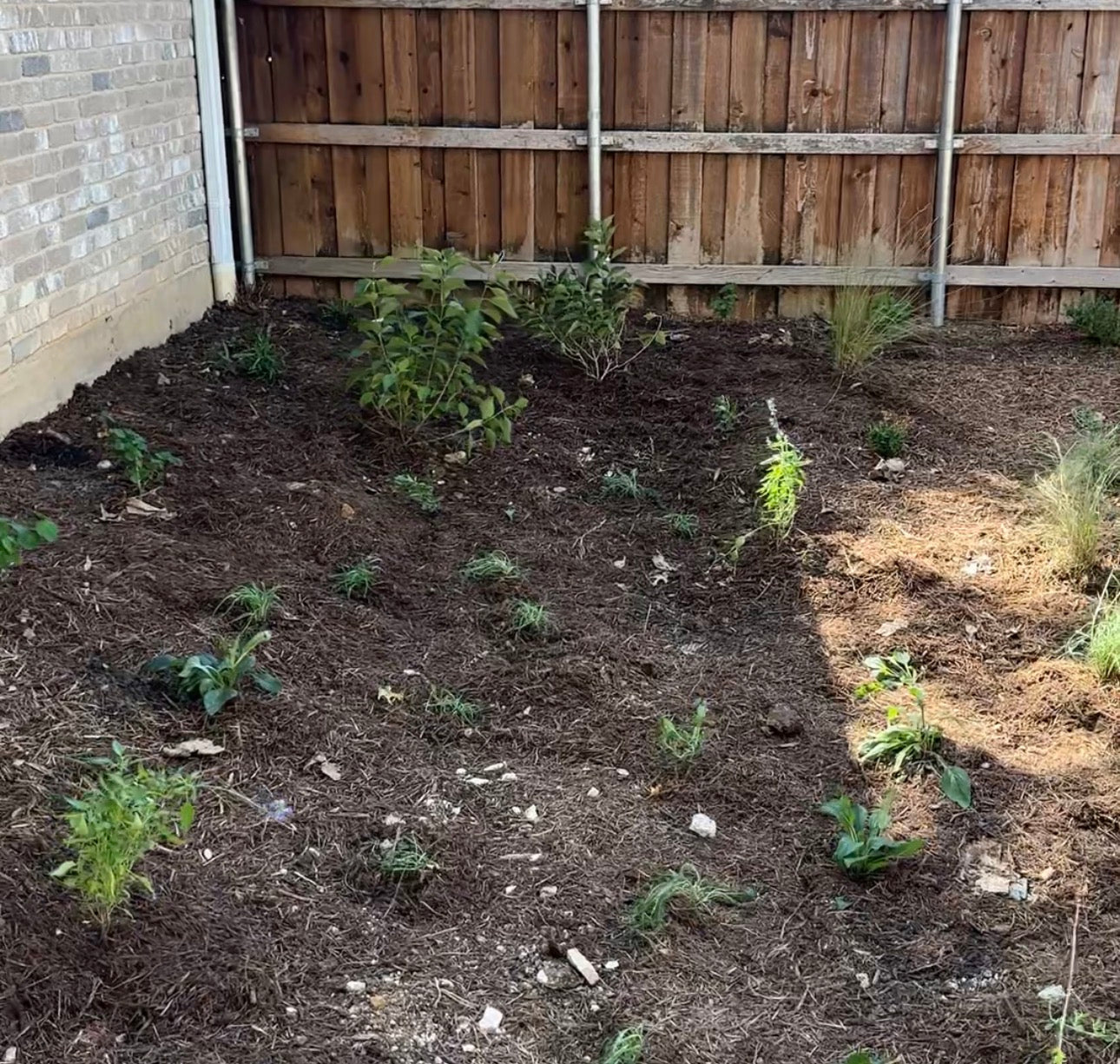
Creating a layered native landscape transforms an ordinary yard into a richer, living, and connected ecosystem. By choosing native plants suited to each layer, you offer food, shelter, and habitat for local wildlife while improving soil health, conserving water, and keeping your landscape interesting through every season.
For gardeners ready to take their designs further, our ebook on native garden recipes and design offers practical tips, planting plans, and creative ideas to bring your landscape to life. From selecting the right combinations of groundcovers and forbs to pairing shrubs for maximum biodiversity, this guide provides everything you need to design beautiful, sustainable gardens that teem with wildlife.


Comments