
What to Plant in Texas in February: Blanketflower
Bring Bold Color to Texas Landscapes with Blanketflower
If you want vibrant color that thrives in Texas heat and tough soil conditions, Blanketflower is hard to beat. This cheerful native wildflower produces fiery red-and-yellow blooms that brighten gardens, wildflower meadows, and roadside landscapes while standing up to drought and summer sun.
As part of our What to Plant in Texas in February series, we’re highlighting native plants that perform beautifully in Texas conditions, support pollinators, and keep landscapes resilient with minimal intervention. February is the perfect time to plan and plant hardy wildflowers that will deliver reliable color and ecological value through the growing season.
Why Blanketflower Belongs in Native Gardens in Texas
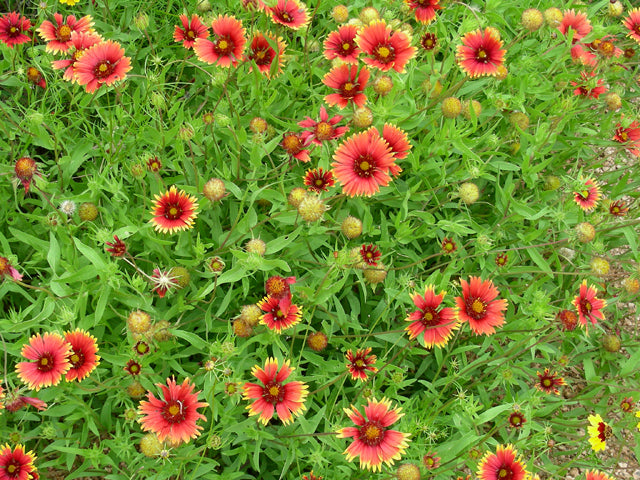
Gaillardia pulchella (Blanketflower), also known as Firewheel, is a hardy annual wildflower native to the plains and open landscapes of the southern United States. It thrives in well-drained sandy or calcareous soils and tolerates heat, drought, and wind, making it especially well suited for Texas landscapes.
Blanketflower produces striking daisy-like blooms with deep red centers and bright yellow-tipped rays, creating a pinwheel effect that adds bold color and movement to garden beds and wildflower meadows. Plants grow on branched stems that create a full, airy appearance throughout the growing season.
In addition to its visual impact, Blanketflower plays an important ecological role. Its nectar-rich flowers attract butterflies and native bees, while serving as a larval host plant for species such as the Gorgone Checkerspot and Bordered Patch butterfly. It also demonstrates moderate deer resistance, making it a practical choice for low-maintenance native gardens.
When and How to Plant Blanketflower
Although Blanketflower blooms from late spring through summer, February is an excellent time to install transplants or prepare planting areas for native wildflowers.
Planting now allows roots to establish in cooler soil temperatures before the stress of summer heat, leading to stronger plants and more consistent flowering.
In February, this is the right time to:
- Identify sunny areas suited for wildflower plantings
- Ensure soils drain well, especially in compacted areas
- Plan meadow-style groupings for natural visual impact
- Source native plants from trusted Texas growers
With proper placement and drainage, Blanketflower thrives with minimal care and may reseed to provide color year after year.
Blanketflower Details
Scientific Name: Gaillardia pulchella
Origin: Native to the central and southern United States; naturalized widely
Height: 1–2 feet
Spread: 1–1.5 feet
Light: Full sun to part shade
Water Needs: Medium (low once established)
Soil: Well-drained sandy or calcareous soils
USDA Zones: Annual; adaptable across many regions
Bloom Time: May–August (may flower year-round with sufficient rainfall)
Larval Host: Gorgone Checkerspot, Bordered Patch Butterfly
Deer Resistance: Moderate
Where to Buy Native Plants in Texas
If you’re wondering where to buy native plants in Texas, choosing locally grown plants makes a meaningful difference. Native plants cultivated by Texas growers are naturally adapted to our climate, soils, and seasonal weather patterns, resulting in stronger, more resilient landscapes.
At Nativo Gardens, we focus on native gardens in Texas, offering regionally appropriate plants that support pollinators and thrive with minimal water. Whether you’re creating a pollinator habitat, wildflower meadow, or low-maintenance native landscape, selecting Texas-grown natives helps set your garden up for long-term success.
Let us help you start your Native Garden!
Blanketflower is just one of many native plants that thrive in Texas landscapes. As part of our What to Plant in Texas in February series, we’ve highlighted native plants that perform beautifully throughout the state.
If you’re ready to start or expand a native garden in Texas, visit our shop, explore our plant selection, or reach out for guidance on choosing the right plants for your space. Native gardening doesn’t just look good, it works with the land, supports wildlife, and celebrates what makes Texas landscapes unique.

Comments