
What to Plant in Texas in February Series: Lemon Beebalm
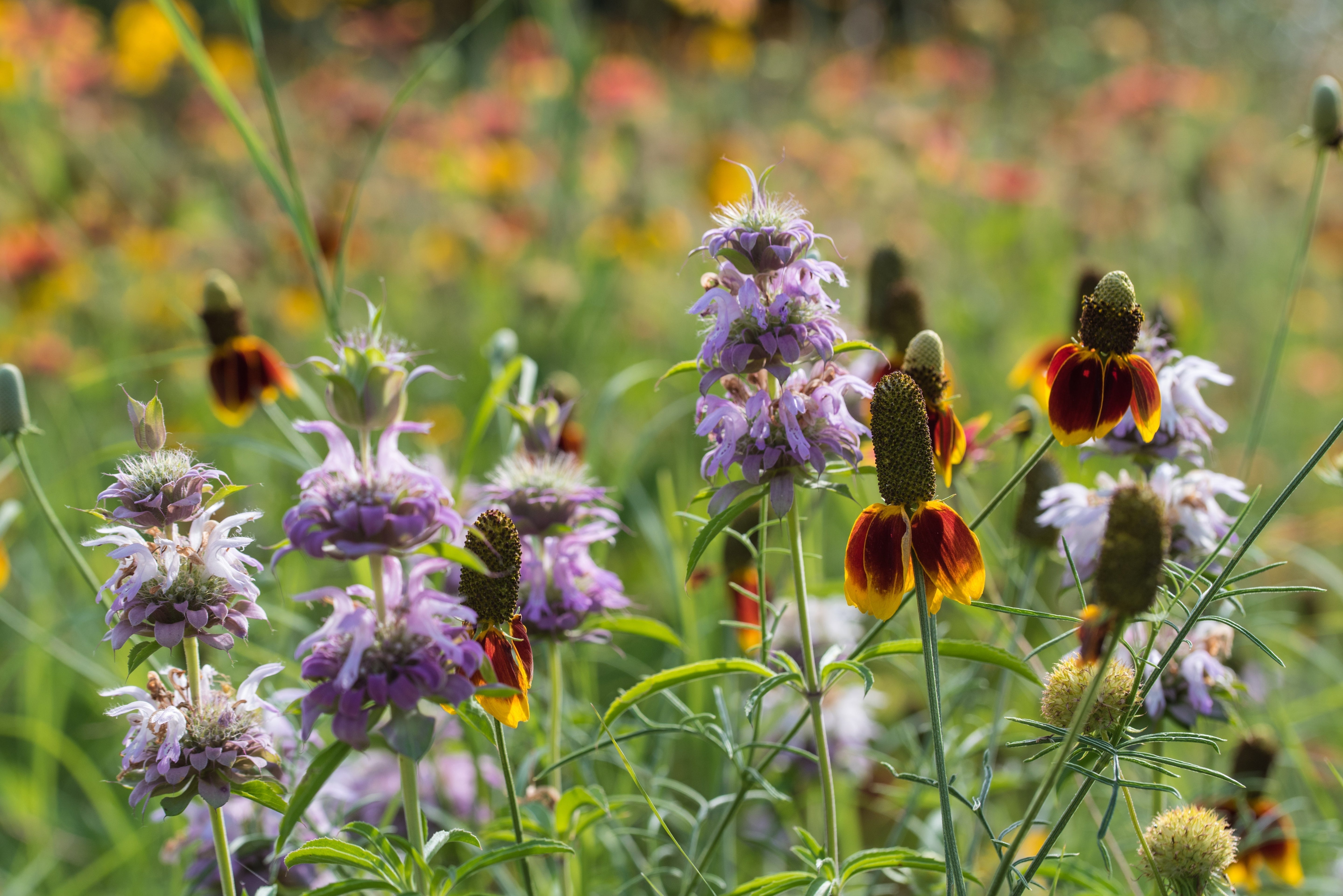
Planning a Pollinator Garden in Texas? Start with Lemon Beebalm.
If you’re designing a native garden in Texas that supports bees, butterflies, and hummingbirds, Lemon Beebalm is a plant worth prioritizing. This fragrant native annual thrives in dry Texas soils, blooms for months, and adds height and movement to wildflower beds and meadow-style plantings.
As part of our What to Plant in Texas in February series (shop the collection here), we’re highlighting native plants that perform beautifully in our climate, support pollinators, and require minimal water once established. February is the perfect time to plan ahead and build a native landscape that works with Texas conditions, not against them.
Why Lemon Beebalm Belongs in Native Gardens in Texas
Monarda citriodora (Lemon Beebalm) is a hardy annual native to Texas and much of the Central U.S. It grows well in dry, sandy to rocky soils and performs best in full sun, though it can tolerate light part shade. Once established, it requires very little supplemental water, making it an excellent addition to low-water native gardens in Texas.
Lemon Beebalm produces distinctive whorled flower heads in shades of lavender to soft pink, stacked along tuft-like spikes that can reach up to three feet tall. Its long bloom season, from late spring into fall, makes it especially valuable for extended seasonal color.
True to its name, the foliage carries a citrusy scent that attracts bees, butterflies, and hummingbirds. It is also naturally deer-resistant and can be harvested for herbal teas or light culinary uses. In ideal conditions, it may reseed and form naturalized colonies, adding fullness and movement to native landscapes.
When and How to Plant Lemon Beebalm
Although Lemon Beebalm blooms from May through October, February is an important planning month for native gardening in Texas. Installing Lemon Beebalm in late winter gives transplants time to expand their root systems into native soil before active top growth and flowering begin, resulting in more resilient plants heading into warmer months.
In February, this is the right time to:
- Identify full-sun areas for wildflowers and pollinator plants
- Improve drainage in heavier soils if needed
- Design native beds or meadow-style groupings
- Source seeds or young plants from Texas growers
With proper placement and well-drained soil, Lemon Beebalm establishes easily and often reseeds, creating a dynamic and evolving native garden over time.
Lemon Beebalm Details
Scientific Name: Monarda citriodora
Origin: Texas, Central United States
Height: 1–3 feet
Spread: 1–2 feet
Light: Full sun, Part shade
Water Needs: Low
USDA Zones: 4–9
Bloom Time: May–October
Where to Buy Native Plants in Texas
If you’re wondering where to buy native plants in Texas, sourcing locally makes a difference. Native plants grown by Texas growers are better adapted to our climate, soils, and seasonal weather patterns, which leads to stronger, more resilient gardens.
At Nativo Gardens, we specialize in native gardens in Texas, offering regionally appropriate plants that support pollinators and thrive with minimal water. Whether you’re creating a wildflower meadow, a pollinator-focused landscape, or a low-maintenance native garden, choosing Texas-grown natives sets your garden up for long-term success.
Let us help you start your Native Garden!
Lemon Beebalm is just one of many native plants that thrive in Texas landscapes. As part of our What to Plant in Texas in February series, we’ll continue highlighting native plants that perform beautifully throughout the state.
If you’re ready to start or expand a native garden in Texas, visit our shop, explore our plant selection, or reach out for guidance on choosing the right plants for your space. Native gardening doesn’t just look good, it works with the land, supports wildlife, and celebrates what makes Texas landscapes unique.

Comments