
What to Plant in Texas in February Series: Texas Bluebonnet
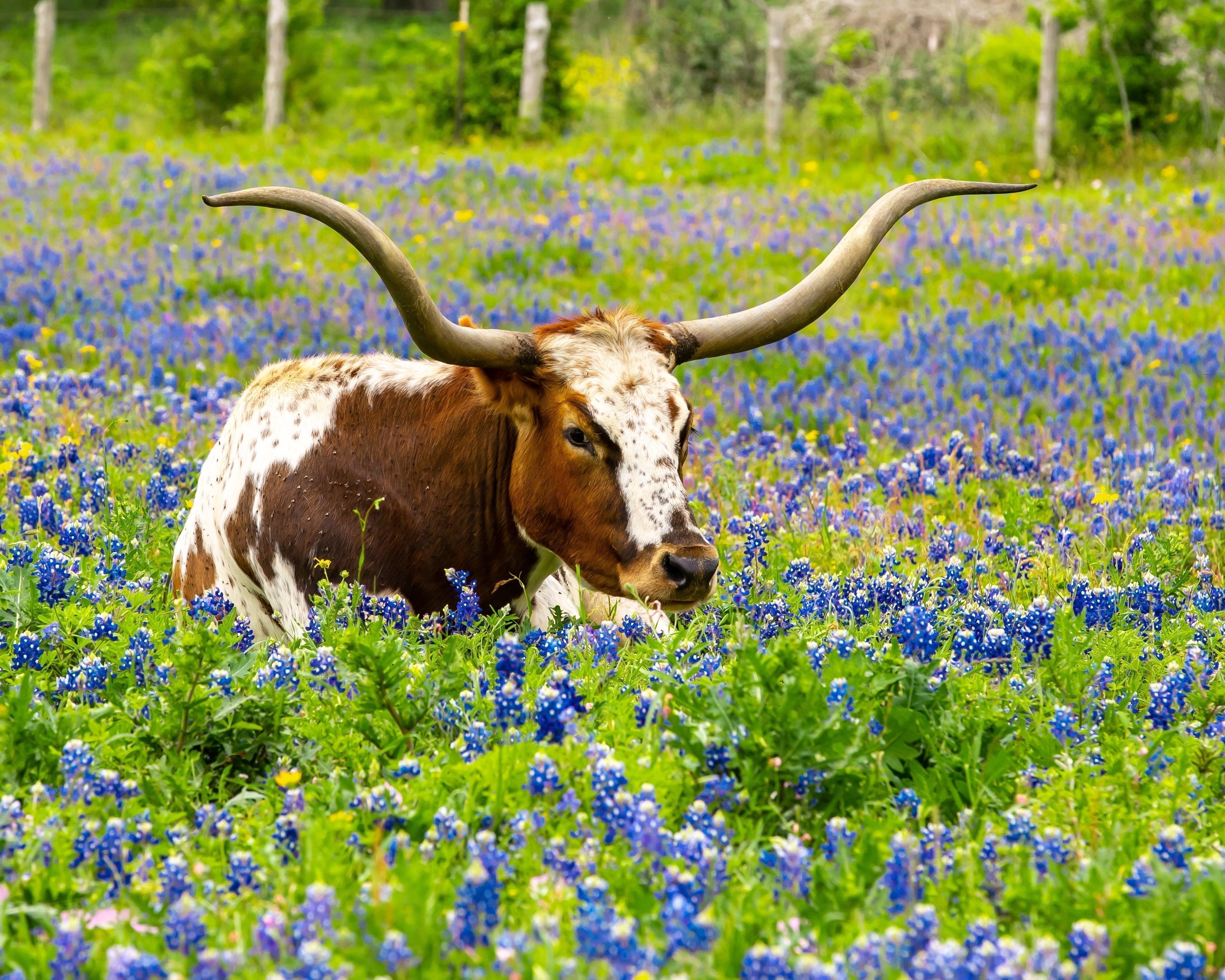
Native gardening in Texas starts here.
If you’re planning a native garden in Texas, February is the perfect time to start thinking ahead, and no plant represents Texas better than the Texas Bluebonnet. As the State Flower of Texas, this iconic wildflower is not only beautiful, but also well-adapted to our climate, making it a natural choice for native gardens across North Texas and beyond.
This blog kicks off our What to Plant in Texas in February series, highlighting native plants that thrive in local conditions and support pollinators, all while keeping water use low and maintenance simple.
Why Texas Bluebonnets Belong in Native Gardens in Texas
Lupinus texensis (Texas Bluebonnet) is a hardy annual that thrives in dry, well-drained soils and adapts easily to common Texas soil types, including sandy loam and limestone-based soils. Once established, it requires very little water and performs best in full Texas sun.
Texas Bluebonnets are famous for their striking blue, pea-like flowers with crisp white tips. Blooming from March through May, they create breathtaking spring displays that feel right at home in both large landscapes and smaller garden beds.
Just as important, Bluebonnets support native pollinators, including bees and butterflies, making them a cornerstone plant for anyone focused on native gardening in Texas.
When and How to Plant Texas Bluebonnets
While Texas Bluebonnets bloom in spring, they are typically seeded in the fall to allow time for root establishment during cooler months. However, February is an ideal planning window to prepare your garden, select plants or seeds, and design your native landscape for the upcoming seasons.
If you’re purchasing established plants (or you want to here is a link to 4in pots), February is the right time to:
- Prep soil and improve drainage if needed
- Choose full-sun planting locations
-
Map out native garden beds and wildflower areas
Texas Bluebonnet Details
- Scientific Name: Lupinus texensis
- Origin: Louisiana to West Texas and Northern Mexico
- Height: Up to 24 inches
- Spread: 12–18 inches
- Light: Full Sun
- Water Needs: Low
- USDA Zones: 7–11
-
Bloom Time: March–May
Where to Buy Native Plants in Texas
If you’re wondering where to buy native plants in Texas, especially in North Texas, shopping local matters. Native plants sourced from Texas growers are better adapted to our climate, soils, and weather patterns.
At Nativo Gardens, we specialize in native gardens in Texas, offering regionally appropriate plants that support pollinators and thrive with minimal water. Whether you’re building a full native landscape or adding seasonal interest, choosing Texas-grown natives helps ensure long-term success.
Let us help you start your Native Garden!
Texas Bluebonnets are just the beginning. As part of our What to Plant in Texas in February series, we’ll continue highlighting native plants that perform beautifully in Fort Worth, Texas and throughout the state.
If you’re ready to start or expand a native garden in Texas, visit our shop, explore our plant selection, or reach out for guidance on choosing the right plants for your space. Native gardening doesn’t just look good, it works with the land, supports wildlife, and celebrates what makes Texas landscapes unique.

Comments