
What to Plant in Texas in February: Wild Bergamot
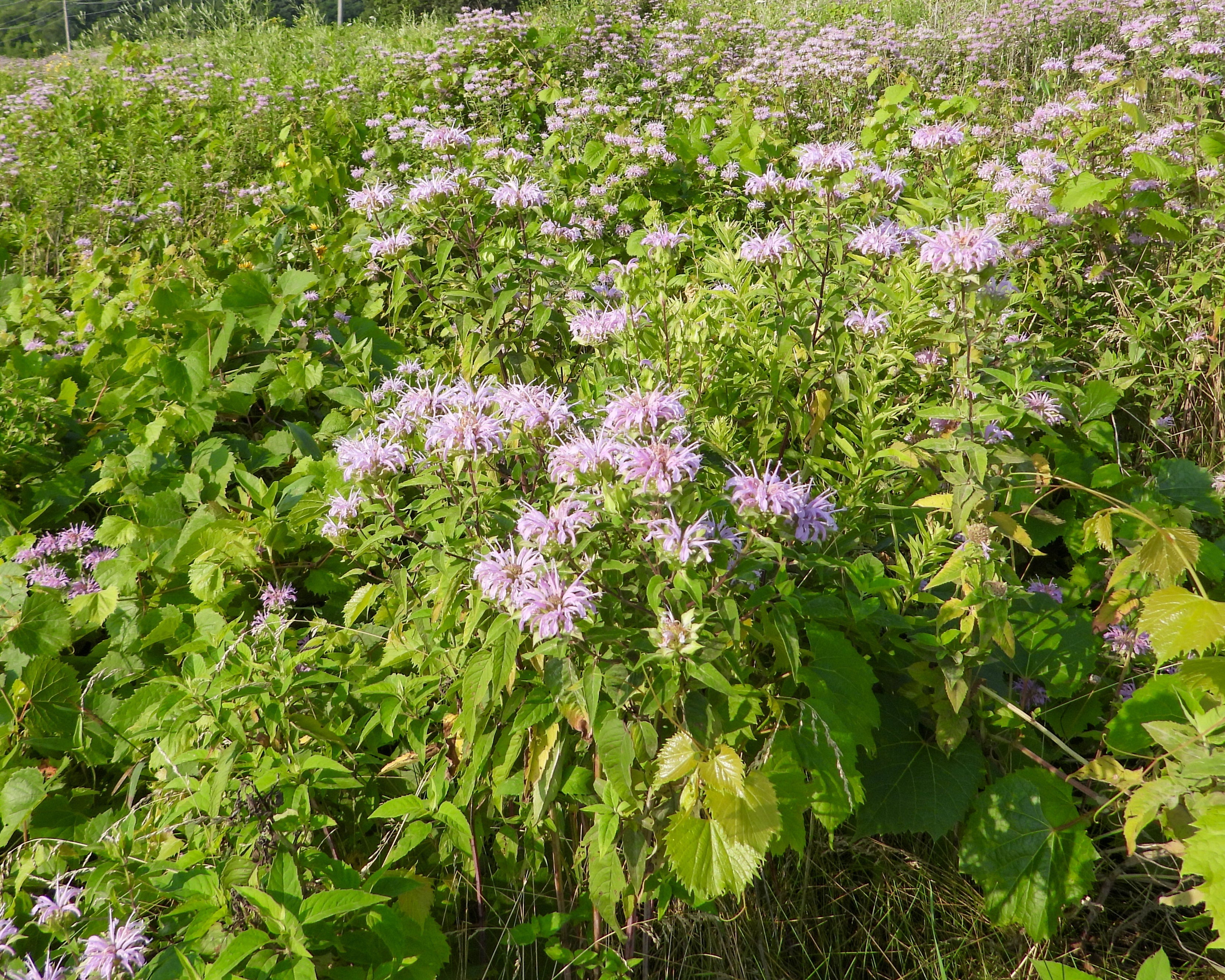
Add Height, Habitat, and Herbal Value with Wild Bergamot
If you’re planning a native garden in Texas that supports pollinators while adding vertical interest and seasonal texture, Wild Bergamot is an outstanding choice. This Texas native perennial produces distinctive lavender pom-pom blooms and aromatic foliage that make it both functional and beautiful in native landscapes.
As part of our What to Plant in Texas in February series, we’re highlighting native plants that thrive in Texas conditions, support wildlife, and require minimal water once established. February is an ideal time to plan and install perennials that will return year after year while strengthening your garden’s ecological value.
Why Wild Bergamot Belongs in Native Gardens in Texas
Monarda fistulosa (Wild Bergamot) is a hardy Texas native perennial and a member of the mint family. It thrives in calcareous, rocky, sandy, and limestone-based soils commonly found throughout Texas landscapes. Once established, it requires little supplemental water and performs best in full sun.
Wild Bergamot produces striking lavender to pink pom-pom-like flowers that rise above upright stems, often reaching heights of up to five feet. Its tall structure adds movement, dimension, and natural layering to native garden beds and meadow-style plantings.
The plant’s aromatic foliage contains natural oils that deter deer and many pests, making it a resilient choice for low-maintenance landscapes. Its nectar-rich blooms attract bees, butterflies, and hummingbirds, making it an essential addition to pollinator gardens across Texas. The leaves can also be harvested for herbal teas and traditional medicinal uses.
When and How to Plant Wild Bergamot
Although Wild Bergamot blooms later in the season, February is an excellent time to plant or plan for perennial natives in Texas landscapes.
Installing transplants now allows roots to establish in cooler soil temperatures before active growth begins, resulting in stronger, more resilient plants heading into the warm season.
In February, this is the right time to:
- Identify full-sun areas suited for taller native perennials
- Prepare well-drained soil in rocky or limestone-heavy areas
- Design layered native plantings for height and habitat
- Source plants from trusted Texas growers
With proper placement, Wild Bergamot returns year after year and helps create a stable habitat for pollinators and beneficial insects.
Wild Bergamot Details
Scientific Name: Monarda fistulosa
Origin: Texas and North America
Height: Up to 5 feet
Spread: About 1 foot
Light: Full sun
Water Needs: Low
Soil: Calcareous, rocky, sandy, and limestone-based soils
USDA Zones: 6–9
Bloom Time: August–December
Where to Buy Native Plants in Texas
When shopping for native plants in Texas, local sourcing matters. Plants grown by Texas growers are adapted to our climate and soils, leading to healthier, more resilient gardens.
At Nativo Gardens, we specialize in native gardens in Texas, offering regionally appropriate plants that support pollinators and thrive with minimal water. Choosing Texas-grown natives helps ensure long-term success, whether you’re planting a pollinator garden, herb bed, or low-maintenance landscape.
Let us help you start your Native Garden!
Wild Bergamot is just one of many native plants that thrive in Texas landscapes. As part of our What to Plant in Texas in February series, we’ll continue highlighting native plants that perform beautifully throughout the state.
If you’re ready to start or expand a native garden in Texas, visit our shop, explore our plant selection, or reach out for guidance on choosing the right plants for your space. Native gardening doesn’t just look good, it works with the land, supports wildlife, and celebrates what makes Texas landscapes unique.


Comments