
3 Ways to Keep Your Backyard Wildlife Hydrated This Summer
Water Is How Your Backyard Wildlife Survives a Texas Summer
Every July, Texas summers get brutal on backyard wildlife. Temperatures climb, rain disappears for weeks at a time, and the puddles, creeks, and damp soil that birds, bees, and butterflies normally rely on simply dry up. In neighborhoods especially, there's often nothing left to replace them.
You don't need a pond or an irrigation overhaul. You need a few well-placed water sources, matched to the animals you actually want to see.
Start with the birds.
A bubbling or aerated bath solves both problems: the movement keeps the water cleaner, and the sound draws songbirds in. Put it on a pedestal and you get a bonus, since birds get a landing spot before they drink, and the height keeps them out of reach of neighborhood cats. If you're lucky enough to have quail or other ground-dwelling birds around, add a second, ground-level bubbler. f you have questions about picking the right bubbler or aerated bath, reach out to us here.
Butterflies need something completely different.
 (Image credit: Alamy / Panther Media Global)
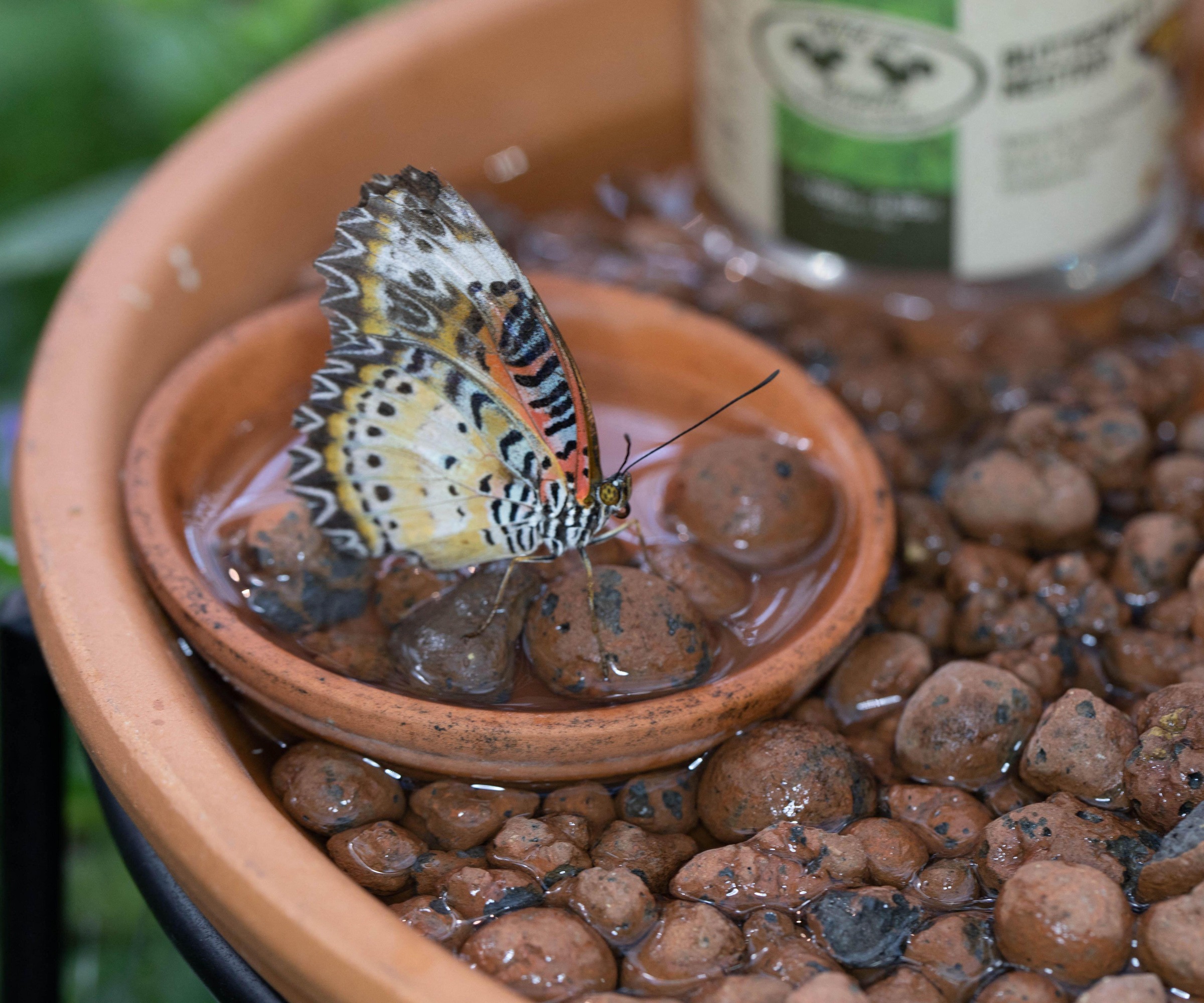
A bird bath is too deep for them and offers no safe place to land, so they'll skip it entirely. Instead, use a shallow dish, saucer, or even a clam shell, filled with pebbles or marbles that break the surface. The butterflies land on the stones and sip from the shallows between them. Don't rush to keep it pristine either, since butterflies actively seek out muddy water for the minerals in it. Mix in some sand or damp soil and you've turned a simple dish into a proper puddling station.
Ponds are the finishing touch, not the foundation.
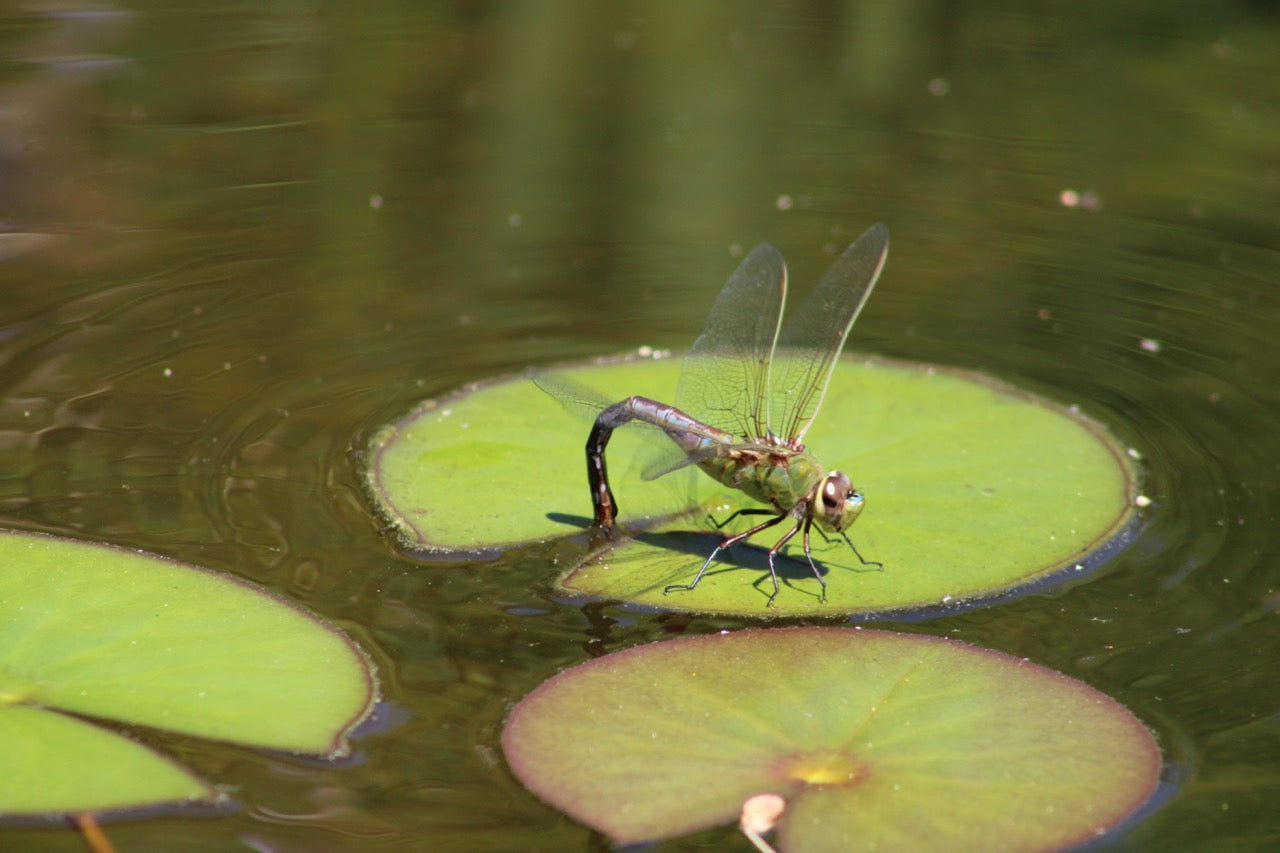
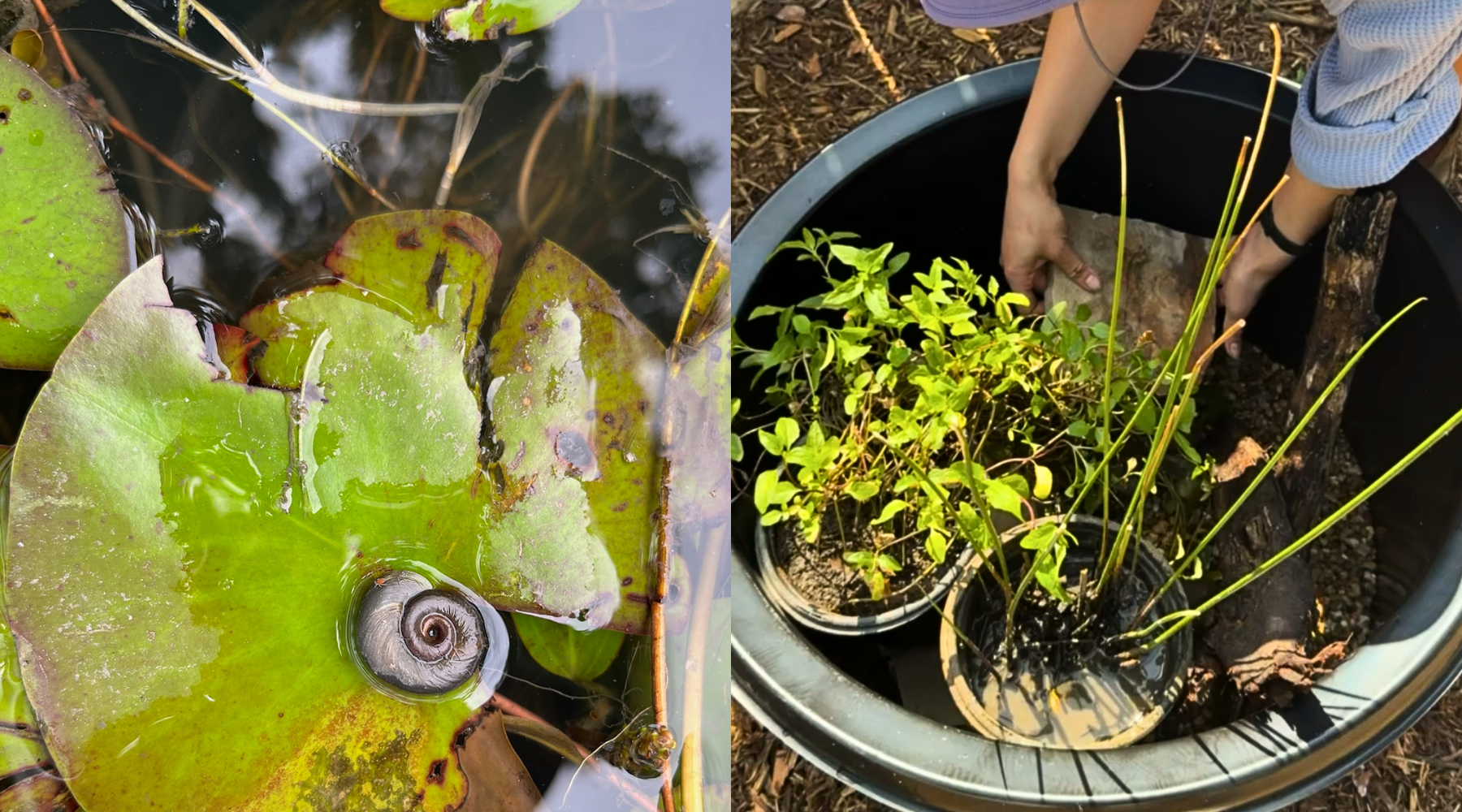
They're genuinely valuable, supporting dragonflies, damselflies, native aquatic plants, and passing waterfowl, but they don't replace the shallow, safe-landing water sources above. Most of your garden's pollinators and songbirds still need those.
A little placement strategy makes all of this work harder for you. Set water sources near a shrub, small tree, or rock pile so they get partial shade. It slows evaporation and gives thirsty visitors cover while they drink. And water your plants in the early morning rather than midday, since less evaporates, so more of it actually reaches roots and the wildlife nearby.
None of this is a big project. A bubbler, a shallow dish, and a bit of shade cover the three biggest water needs in your yard, and for the birds, bees, and butterflies trying to get through a Texas summer, that's often the difference between passing through and sticking around.



Comments